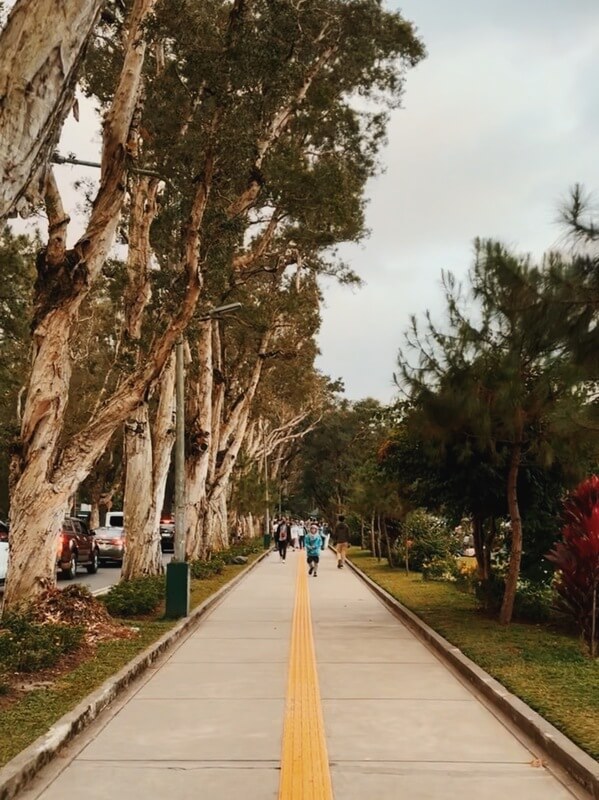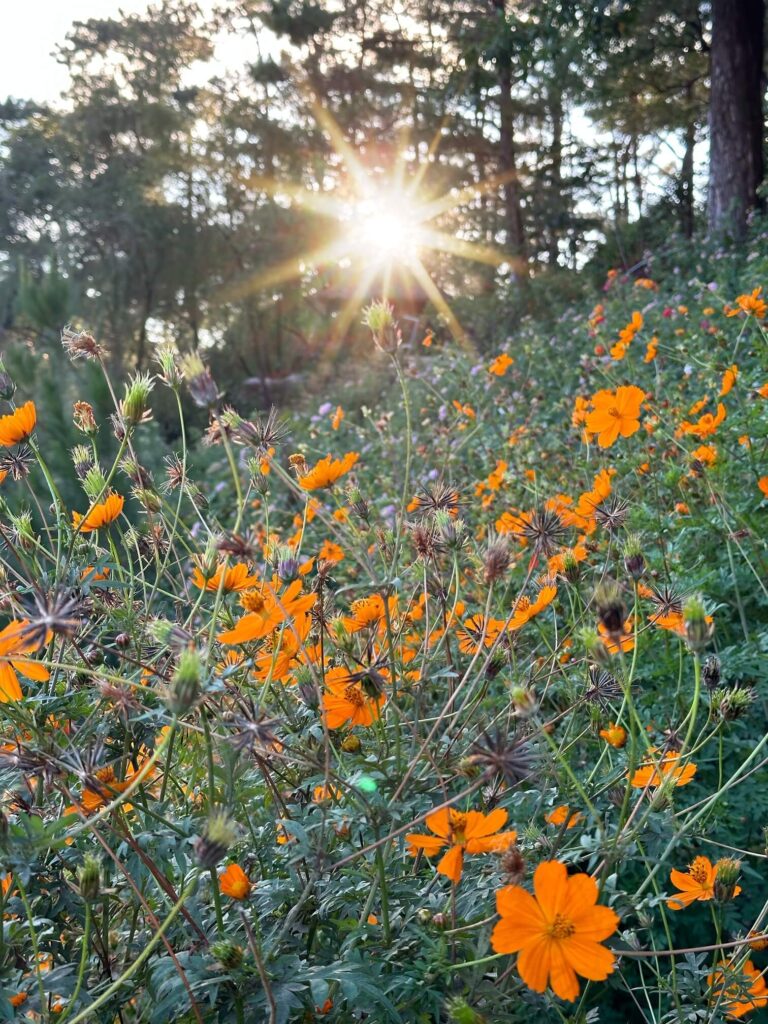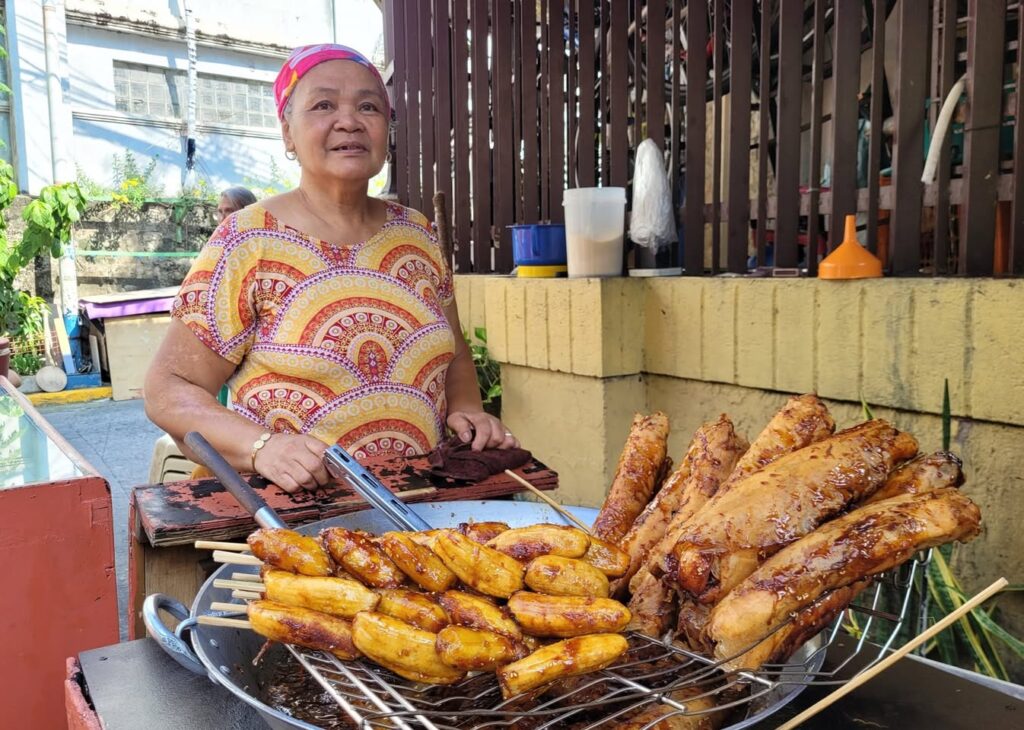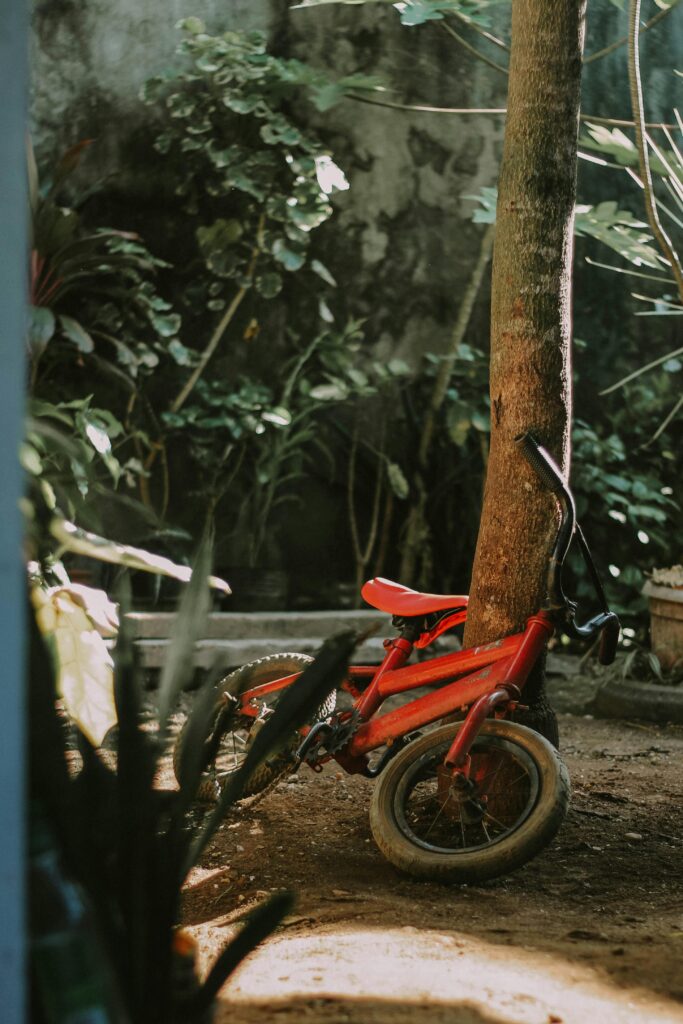

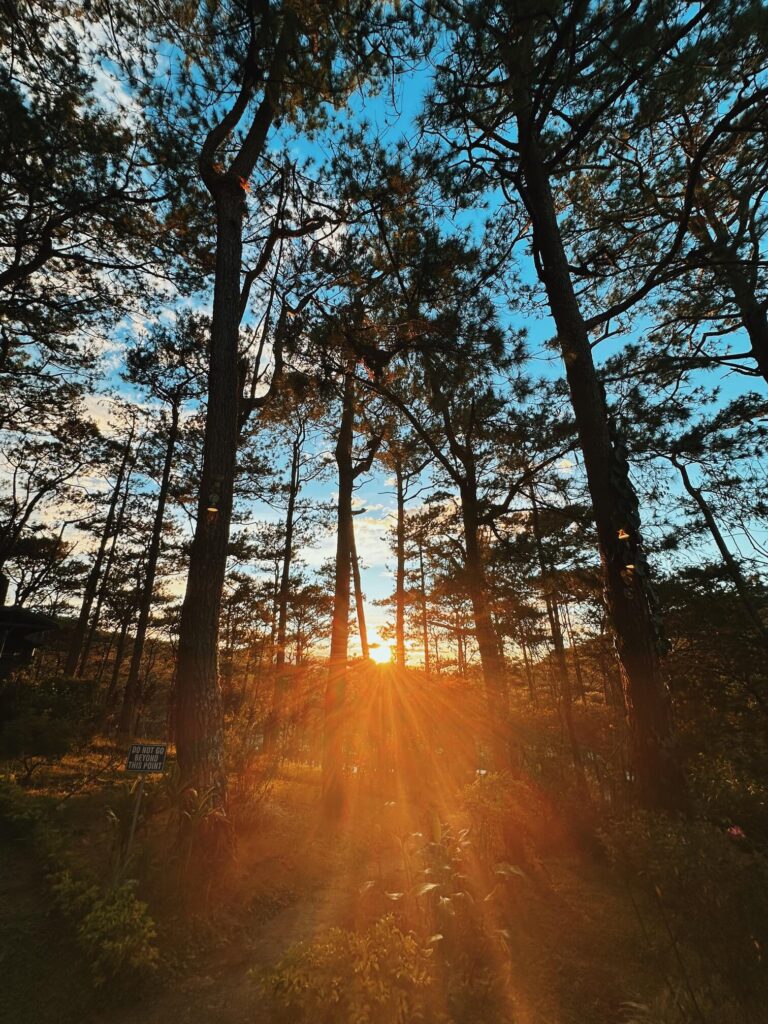
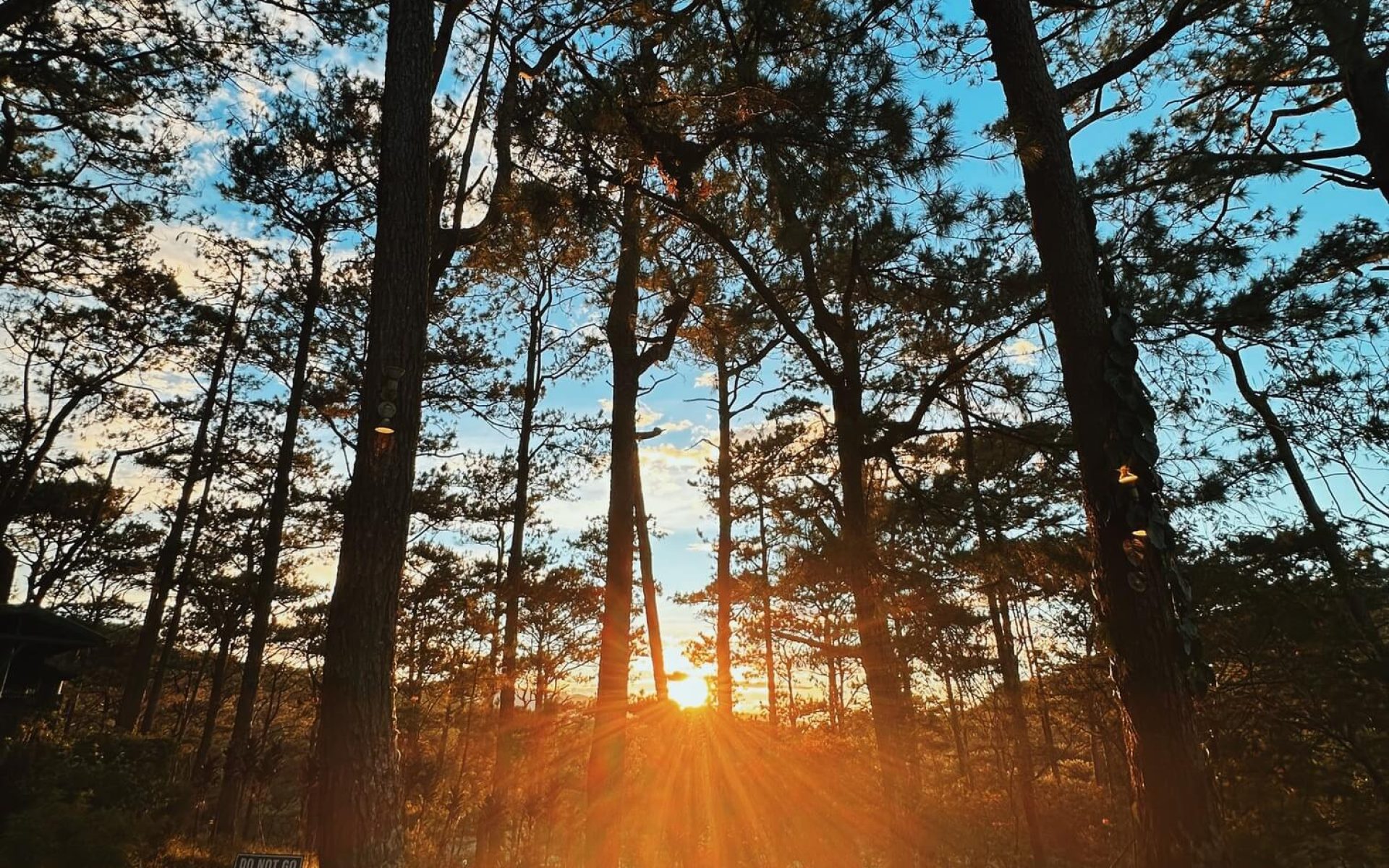

There was a time when Baguio existed in quiet prestige. It was the country’s postcard of leisure for the rich and famous; a city built on pine trees, fog, and a kind of coolness that had nothing to do with temperature. Families flocked to the City every summer to breathe air that felt more expensive and sip hot batirol, wrapped in sweaters that smelled of old money and mothballs.
Then came the travel boom. The golden age of seat sales and low-cost hostels made the rest of the world suddenly accessible to the emerging middle class—the traveling majority. Why take a six-hour drive up the winding Kennon Road when you could fly to frolic on the Coffeemate-sand of Boracay, or even bask in the vibrant culture of Thailand, with less effort and roughly the same budget range? Baguio was old, familiar, slightly frayed around the edges. Its glimmer started to fade to a status of consolation or a destination for the start-up hopeful.
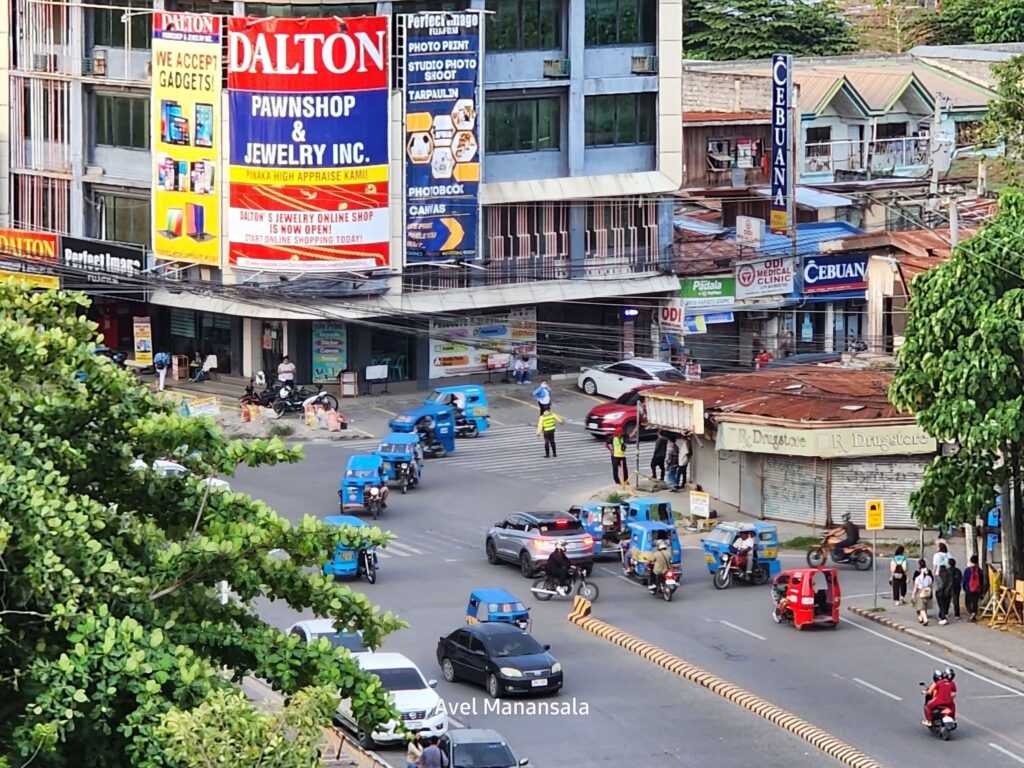
Its landmarks became passé to some discriminating eyes. Burnham Park’s boats looked tired. The Mansion turned into a mere photo stop. Session Road became less a promenade, more a thoroughfare. The city that once sparkled with grandeur found itself aging in silence, watching trendier destinations steal its light.
Yet, even as the crowds thinned, a particular kind of visitor kept coming back, not for novelty, but for belonging. The loyal ones returned to walk the same sloping streets and realize that sometimes, familiarity is its own kind of beauty. Beneath the chipped paint and musty crevices, they saw a city quietly rediscovering itself.
Eventually, the dust of the renaissance of travel settled. Baguio began to stir again—not by chasing trends, but by remembering who it was. You see it in the creativity that runs through its veins. Art, food, and community have become the city’s new compass. At the heart of it all is Ili-Likha Artist Village – the brainchild of Kidlat Tahimik – a living, breathing installation made from totems of scrap wood, glass, and dreams. Every corner tells a story of community, uprising, and love for land. It feels less like a place you visit and more like one that speaks to you in fragments: murals that thrum with rebellion, stairways stitched together from found things, and conversations that spill like coffee over unfinished ideas. A short drive away, Arca’s Yard sits quietly amid the pines, doubling as a cafe, library, and museum.
There’s a new generation rewriting Baguio’s story. You’ll find them sketching at Foam Coffee, sipping Benguet brew as sunlight filters through glass panes. You’ll meet them at Oh My Gulay, where vegan dishes turn into creative expression, and walls bloom with color and memory. Here, creativity doesn’t need to announce itself. It just exists, quietly but fully realized.
What sets Baguio apart is that its artistic language remains proudly folk. Its creative pulse doesn’t mimic the cold minimalism of city galleries or the unapproachable detachment of “conceptual” art. Here, beauty speaks in wood carvings, woven threads, and murals painted with the stubborn sincerity of the Cordilleran soul. It is art that feels handmade, human, and honest. Never pretentious, never begging to be relevant.
Even the culinary scene follows that rhythm. Lemon and Olives brought Mediterranean warmth to the mountain air. Café by the Ruins DUA resurrected an icon with elegance, while The Farmer’s Daughter made authenticity front and center in the arena of comfort dining. Newer spots like Little Milkyway and Rebel Bakehouse carry the energy of a generation unafraid to experiment. These aren’t just restaurants; they’re creative statements, a rebellion expressed in different forms.
And then, there’s the coffee. In a world where global chains pass for culture and stamp cards for personality, Baguio’s local roasters remind everyone what real coffee should taste like. Beans from Atok, Itogon, and Tuba are the star for those who understand the land they come from. At Kape Umali, Hatch Coffee, or Café Yagam, baristas treat each cup like a conversation—deliberate, unhurried, and grounded – literally and figuratively. They handle brewing as both an art and a science; the kind that sends Starbucks gagging in the corner.
Artists collaborate instead of competing. Farmers, painters, and chefs cross paths at community-initiated events. At Tam-awan Village, cultural preservation meets contemporary expression; at Baguio Craft Brewery, conversations spill over pints brewed with local flair. The air, once heavy with nostalgia, now breathes with endless potential. For the older generation, rediscovery feels tender. They walk familiar paths and see how the city has aged gracefully, trading exclusivity for inclusivity. For the younger ones, Baguio is less a getaway and more a ground for proof; a place forgiving enough for the dreamers to grow. Today, this city above the clouds no longer glitters with opulence. It glows from within.