

There is a toxic tendency to view Filipino endurance as a badge of honor. We applaud the commuter who wakes up at 4 a.m. to queue for three hours. We treat survival like a spectator sport. But when we glorify the struggle, we excuse the systems that cause it.
The Eraserheads’ “Waiting for a Bus” lyrics play on a loop in the back of my mind. Waiting for the bus. Laundry on my back. But this is not a music video. There is no slow-motion camera pan or color-graded nostalgia. There is only the thirty-seven-degree heat that sticks my shirt to my spine and the smell of exhaust fumes settling deep in my lungs. It is a Saturday. I am tired. And I am angry.
For decades, we have been told a specific story about the Filipino jeepney. We call it the “King of the Road.” We splash it on postcards and tourism reels. We sell it to the world as a vibrant, chaotic masterpiece of ingenuity. Foreign vloggers come here, cameras in hand, and marvel at the “charming” experience of crouching inside a rolling tin can painted in neon. They call it culture. They call it authentic.
But they do not have to ride it to work every single day.
A jeepney rattles to a halt in front of me. It is already bursting at the seams. Bodies are pressed against bodies in a sweaty, uncomfortable intimacy that no one asked for. The barker looks me in the eye and shouts the great lie of Philippine transport.
“Kasya pa!” (It still fits!)
I look inside. There is no space. To get in, I would have to contort my limbs, crush my knees against a stranger, and inhale the scent of 20 other people’s exhaustion. I wave it away. I let the vehicle sputter off into the haze. I choose to wait in the heat rather than degrade myself for a seat.
We need to stop romanticizing this. This is not resilience. This is suffering wrapped in bright colors.
There is a toxic tendency to view Filipino endurance as a badge of honor. We applaud the commuter who wakes up at 4 a.m. to queue for three hours. We praise the mother who makes a five-hundred-peso budget stretch into a Noche Buena feast. We treat survival like a spectator sport. But when we glorify the struggle, we excuse the systems that cause it. The “King of the Road” is failing its subjects. It is physically painful to ride. It is unsafe. It creates a barrier to dignity that no amount of cultural nostalgia can justify.
Then the bus arrives.
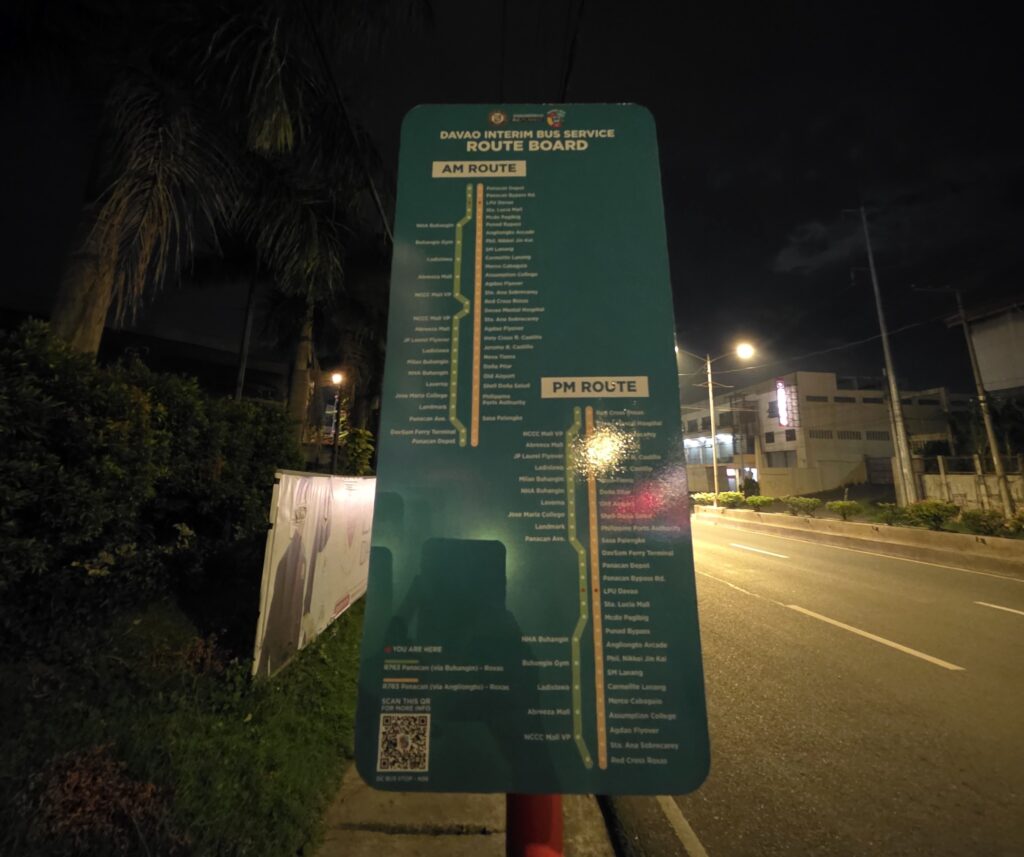
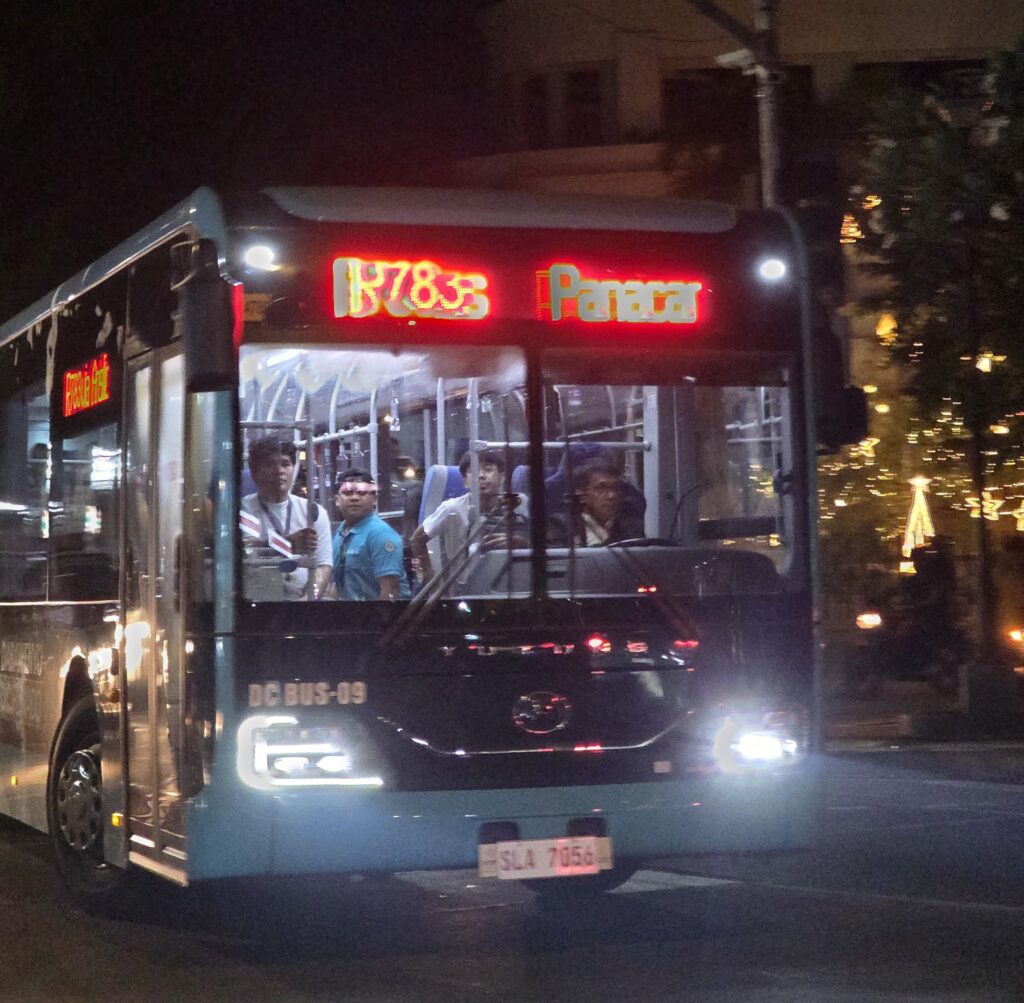
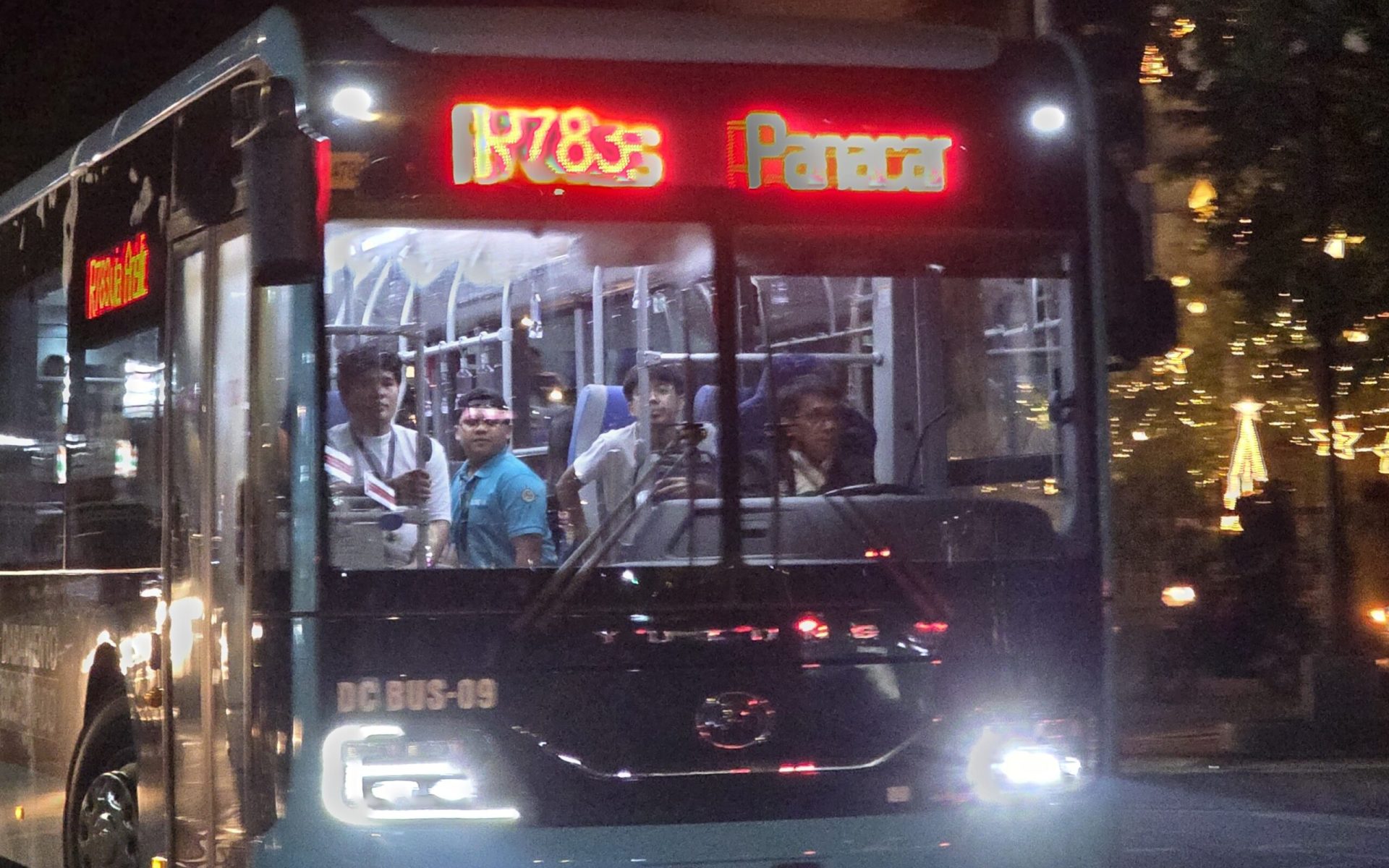
This is the Interim Bus Service. It is part of the modernization that so many purists love to hate. But as the doors open, I do not feel a loss of culture. I feel the air conditioning.
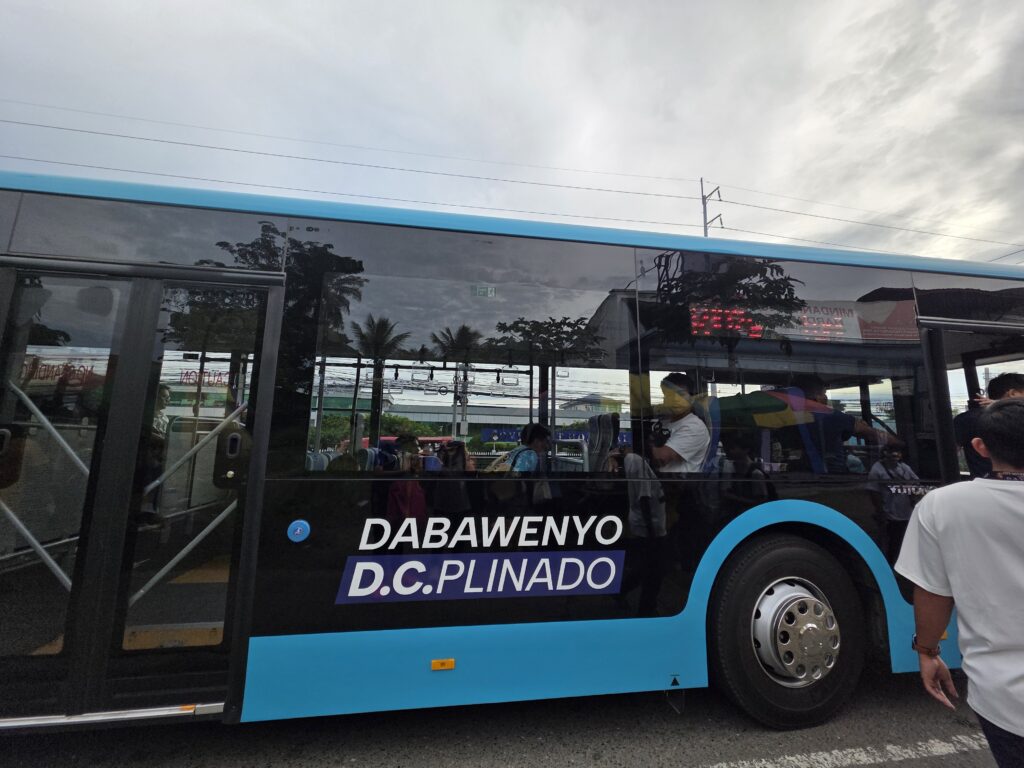
I step inside with my son. We do not have to fight for territory. There is a queue. There is a system. It is December 2025, and the rides are free this month to help us adjust to the routes, but I would gladly pay for this feeling. It is the feeling of being human.
We sit down. The seats are cushioned. A PA system announces the next stop: Petron Bangkal in Catalunan Grande. It is 10 kilometers away. In a jeepney, this distance is a war of attrition. Here, it is just a ride. I hear a high school student ask the conductor how much the fare is. The conductor smiles.“Walay bayad, dong.” No charge.
This is what dignity looks like. It is boring. It runs like clockwork. It is quiet.
I have walked the streets of Singapore, Hong Kong, and Bangkok. You can measure the respect a government has for its people by how they move them from point A to point B. Public transport is a necessity. It should not be a Herculean task. It should not be an obstacle course that leaves students smelling like road dust and workers exhausted before they even punch the clock.
I know the counterarguments. I know this shift hurts the traditional drivers. That is a painful reality and one that the local government must address through the subsidies and transition programs they have promised. We cannot leave the drivers behind. But we also cannot hold the entire commuting population hostage to the past.
We can honor our history without forcing our bodies to endure it. Culture is fluid. It evolves. The jeepney had its time, and it served us when we had nothing else. But we deserve more than just survival now. We deserve to arrive home with enough energy left to love our families.
I look out the window of the air-conditioned bus. I see the heat waves shimmering off the asphalt. I see the chaos outside. For the first time in years, I am just a passenger. I am not a warrior. I am not resilient. I am just going home.