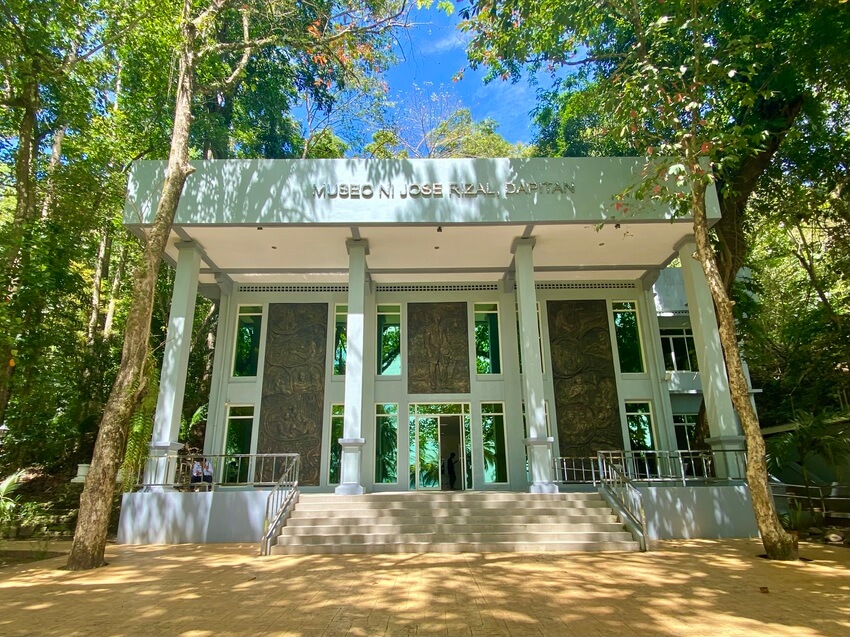


Dapitan has always intrigued me, not just as the place where the Philippines’ national hero Jose Rizal was banished by the Spanish during the colonial era but as a quiet town in Zamboanga del Norte. Curious to see it for myself, I flew from Manila to Dipolog, followed by a 45-minute bus ride.
I usually rely on booking apps when looking for accommodations, and there weren’t many choices. I decided on Travelbee, a budget inn just a 10-minute walk from the town plaza. Thankfully, the room was clean and the air conditioning was strong enough to keep me comfortable in the tropical heat.
I rented a bike at the inn, an old city bike with no gears, requiring my legs to do all the work. It was the first time I had ridden one since a biking accident in 2010, so I was both nervous and excited! Fortunately, Dapitan is the perfect place to get back on a bike. The roads are smooth and tourist spots are close to each other.
As with any adventure, I started the day with a good cup of coffee. A quick Google search led me to Localhost, a small cafe with an adjoining co-working space. I enjoyed their iced brews so much that I went back a few more times during my stay. Its quiet spot near the city plaza makes it a perfect place to start exploring the town or to unwind at the end of the day.
Next, I headed to Sunset Boulevard to enjoy some sea views. In the same area is Punto de Disembarco de Rizal en Dapitan, a monument marking Jose Rizal’s 1892 arrival after his exile for writings exposing Church abuses and calling for reforms – both deemed subversive at the time.
After lunch at an eatery, I headed to Rizal Park and Shrine. More than just a park, it once belonged to Rizal, who purchased it after winning the lottery, along with Carnicero and Francisco Equilior.
The park doesn’t charge any fees, but it’s best explored with one of the government-accredited guides near the entrance. My guide, Sir Gary Oros, was very lively – sharing trivia about the different areas in the park where Rizal had set up a school, hospital, and water system. He even showed me the park’s ancient trees, some of which have been in existence since Rizal’s time!
The next day, I headed to Dakak, inarguably Dapitan’s most famous beach resort. In my youth, its TV ads repeatedly played in the country’s top variety show. To this day, I can still hear the male voiceover echoing in my head!
There’s no public transportation going to Dakak so I hired Kuya Gary again, who also drives a motorbike. He warned that cell phone signal may not be available, so we agreed on a pick-up time before exploring the beach. The 30-minute travel time was on a smooth road, making the ride comfortable.
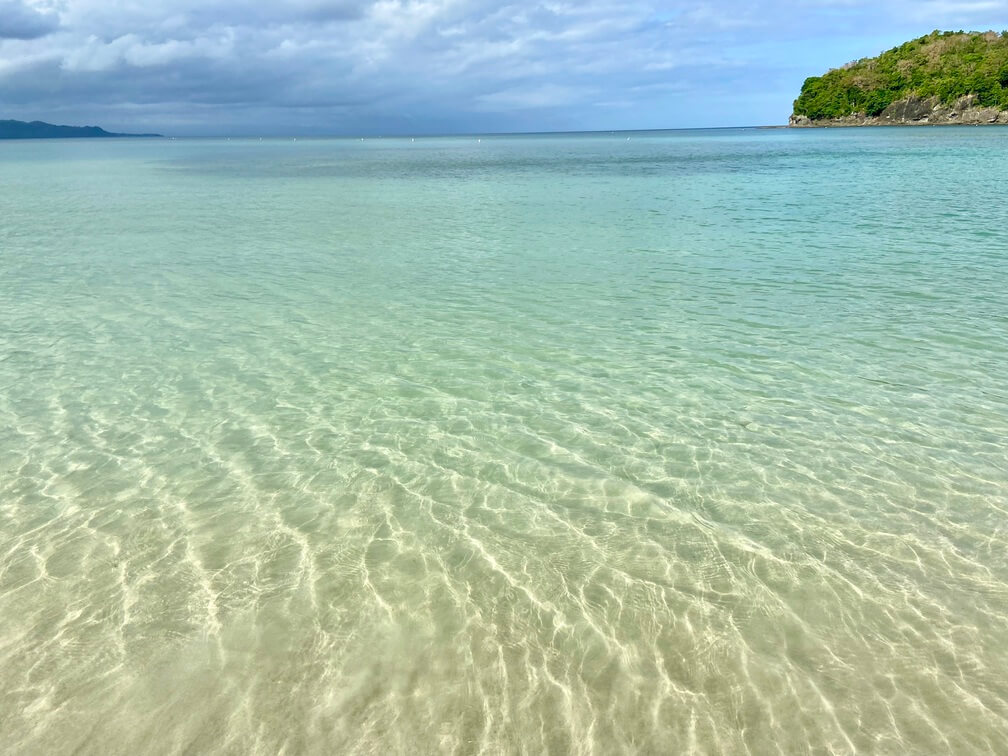
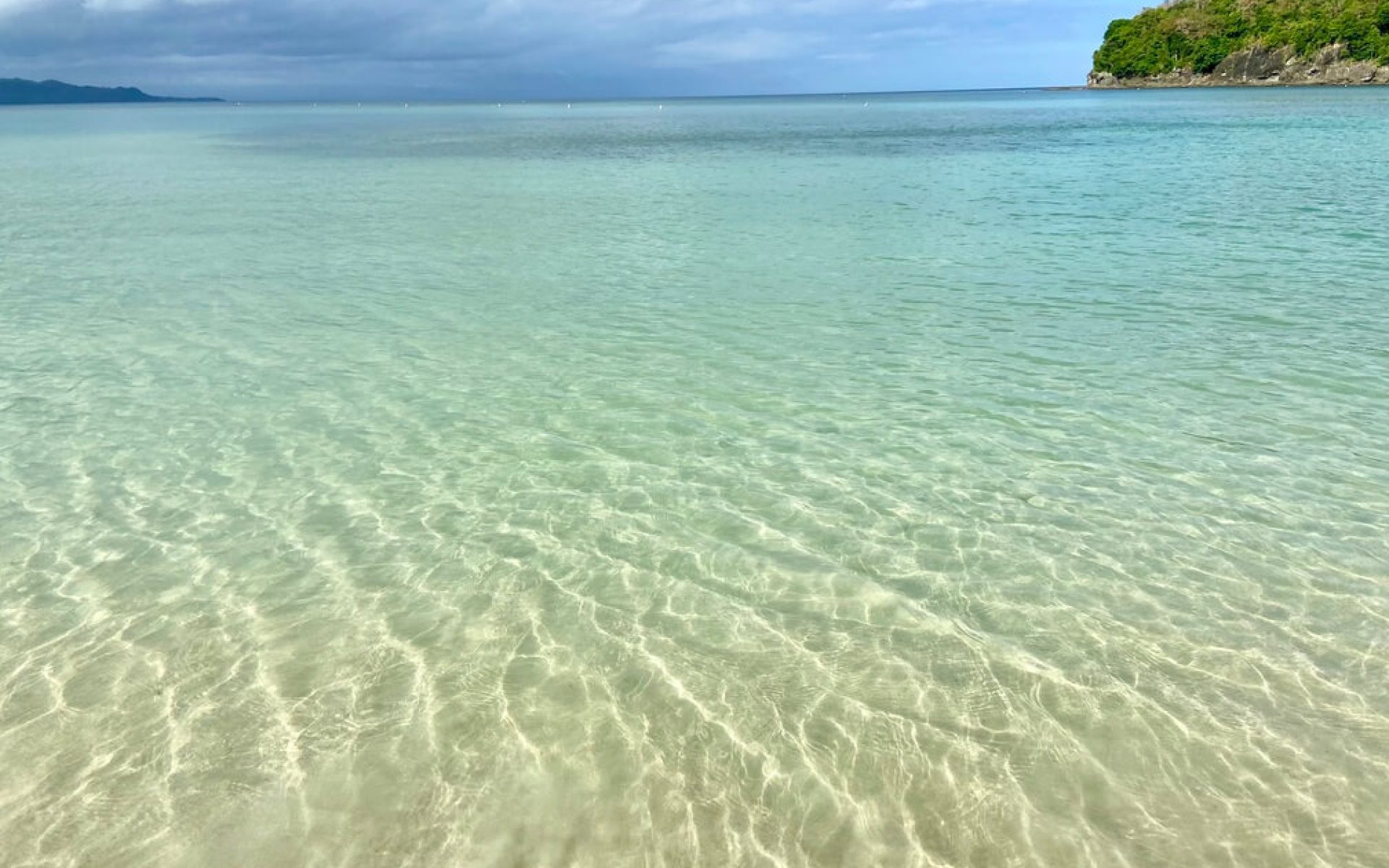
Dakak offers day tour packages that include access to pools, the beach, and a consumable amount that can be used in any of its five restaurants. The beach was impressive! At 7:30 AM, the water was still, like a pool. The sand was clean, soft, and powdery – the type you can roll around on without worry. After swimming, I enjoyed snacks at one of the seaside restaurants.
On my last day, I walked around town and passed by St. James the Greater Parish, another landmark where Rizal once attended mass. At the back of the church is a marker, indicating the spot he used to frequent for reflections. Across the plaza, I found another of Jose Rizal’s coolest contributions: a relief map of Mindanao, serving as a geographic reference for everyday folk.
My time in Dapitan, though short, left me with a deeper appreciation for its role in our history and for Rizal as a person. From the captivating waters of Dakak to the town’s quiet charm, Dapitan is a destination I’ll certainly revisit.