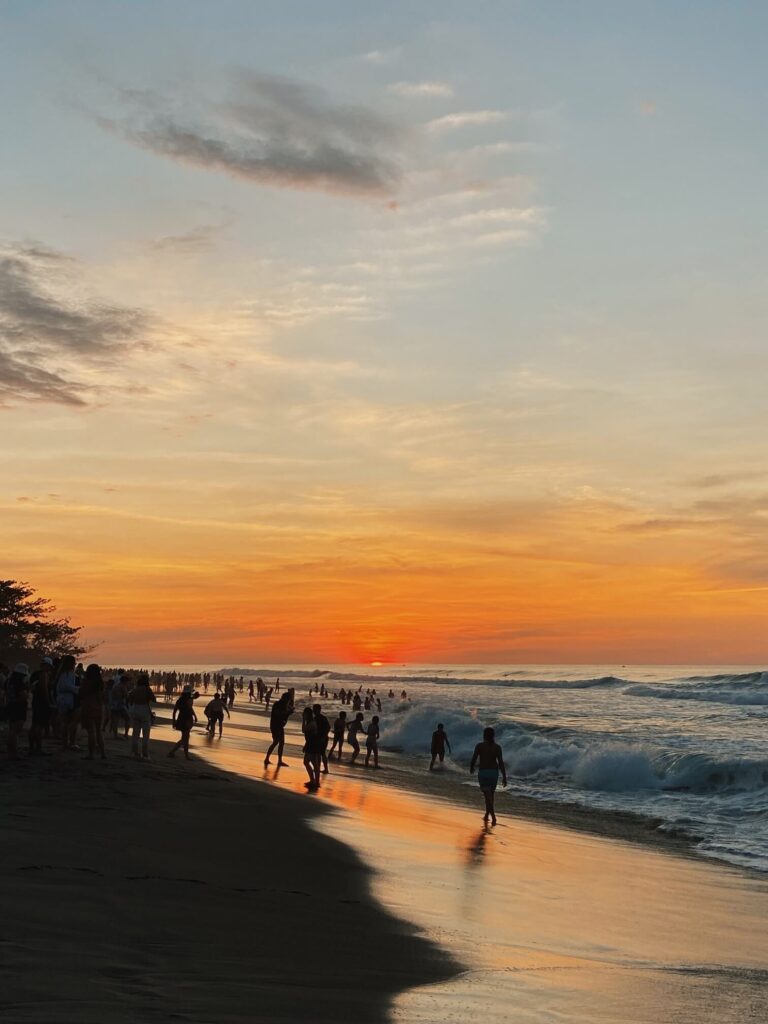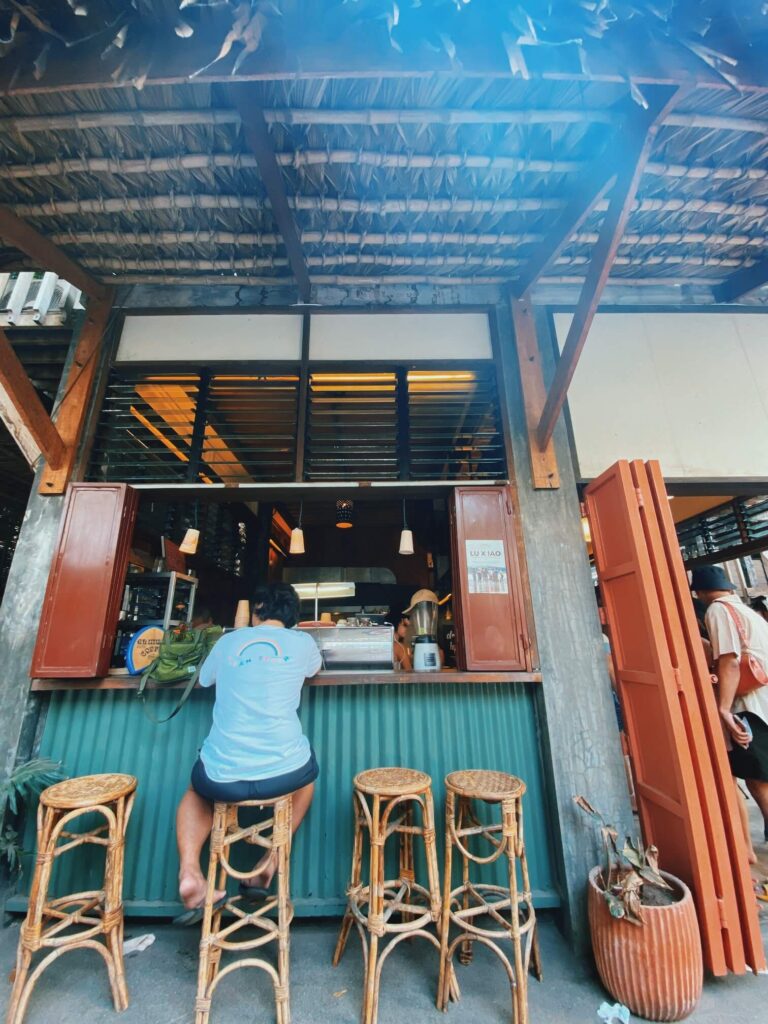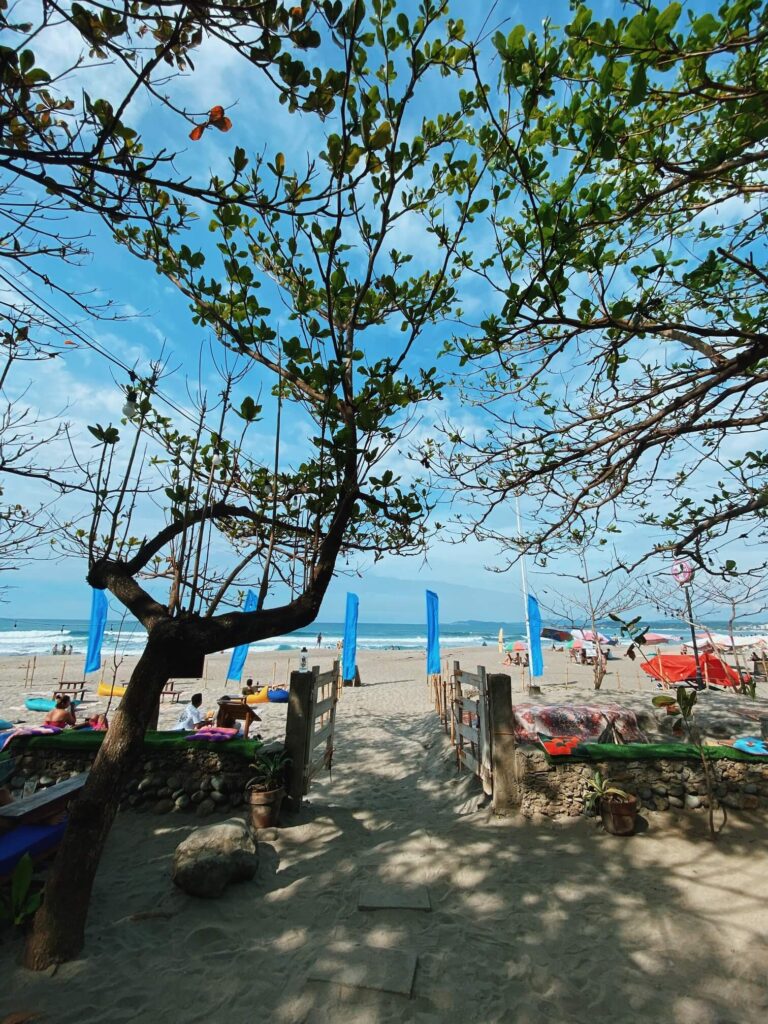


Elyu, or La Union, if you insist on full names, used to be a sleepy fishing town where the loudest sound you’d hear was the rolling tide and the occasional outburst of a drunken backpacker. Today, it hums to a different rhythm: one that thumps to bass drops, TikTok remixes, and the clinking of Aperol spritz glasses under fairy lights draped around coconut trees. What was once a surfer’s refuge has evolved – or, depending on who you ask, devolved – into North Luzon’s most photogenic weekend playground.
Urbiztondo Beach in San Juan was once known for its simple surf culture: salt-skinned locals teaching wide-eyed beginners how to paddle through life’s small defeats. Just a few kilometers north, Carille Beach in Bacnotan offered wilder, more temperamental waves; the kind that separated those who surfed for sport from those who surfed for the “Gram.” Back then, there was sand, sun, and the promise of a good street-side halo-halo after a dehydrating day at the beach. Now there’s Wi-Fi, an oat milk latte, and a content lookbook.
The transformation didn’t happen overnight. Somewhere between the construction of the Tarlac-Pangasinan-La Union Expressway or TPLEX (that concrete artery that cut travel time from Manila to La Union down to a few hours) and the rise of ephemeral social media, the place morphed into something unrecognizable. The road that once belonged to cargo trucks, northbound buses, and family sedans became an exodus path for road-trippers armed with iPhones and curated outfits. Elyu has become the new weekend destination for millennials and Gen Z, the equivalent of Gen X’s Tagaytay.
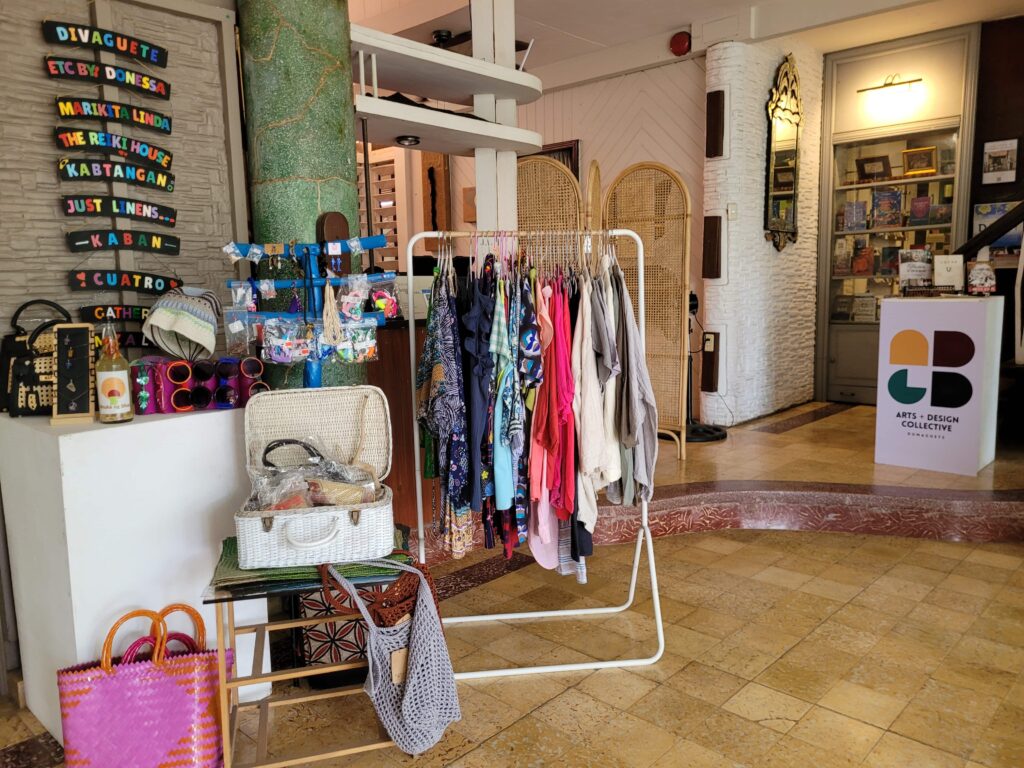
And with the influx came gentrification, that tricky word that reeks of capitalism and nepotism envy. What started with a few hostels, surf shacks, and hole-in-the-wall eateries became a contrived vibe driven by “main character syndrome.” You can almost hear the algorithm whispering through the palm trees. Flotsam & Jetsam, a beachfront hostel, led the charge, introducing the idea that one could get drunk poetically. Then came El Union and Kabsat, each more aesthetic than the last, offering spaces designed for both existential conversations and soft-launched situationships. The crowd? A rotating cast of content creators, digital nomads, and people “finding themselves” in places that happen to have good lighting and an unobstructed view of their own egos.
But beneath the glitz and glow of halogen lights, something familiar quietly faded. Gone are the local carinderias that served good but inexpensive pinakbet and dinengdeng. No more doors opening and someone’s mom serving her heirloom bringhe, or someone’s uncle offering a shot of basi poured from a reused bottle of La Tondeña. The proud tang of sukang Iloko gave way to truffle aioli. The tables that once carried tinuno now carry shakshouka, tacos, and Eggs Benedict. Even the signage changed from hand-painted wood to backlit lightboxes in stylized Helvetica.
This is the paradox of progress: the more accessible a place becomes, the less of itself it tends to retain. And yet, it’s too simple to blame the newcomers. Cultures evolve, sometimes organically, sometimes for engagement. The line between authenticity and performance blurs when everyone’s watching, or, at the very least, when one is delusional enough to believe they have an audience.
Somewhere inland, a few families still practice panagdamili, the almost-forgotten art of pottery that once defined San Juan’s cottage industry. The older folks’ hands, cracked by clay and sun, shape memory into form — a living proof that not everything beautiful needs to be posted.
My first trip to La Union was long before it learned to dance for the crowd. It was the early 2000s—no fashion mobs, no Spotify playlists named after moods, just FM radio playing South Border somewhere down the shore. My friends and I had a favorite hut where we spent every afternoon, under a roof that leaked philosophical thoughts when it rained.
The fishermen never hesitated to invite guests to share their bottles of Gold Eagle beer after selling their day’s catch. As daylight faded, our faces were lit by a kerosene lamp, which made everyone look a little more sincere. And the stories we told came with laughter, not likes.
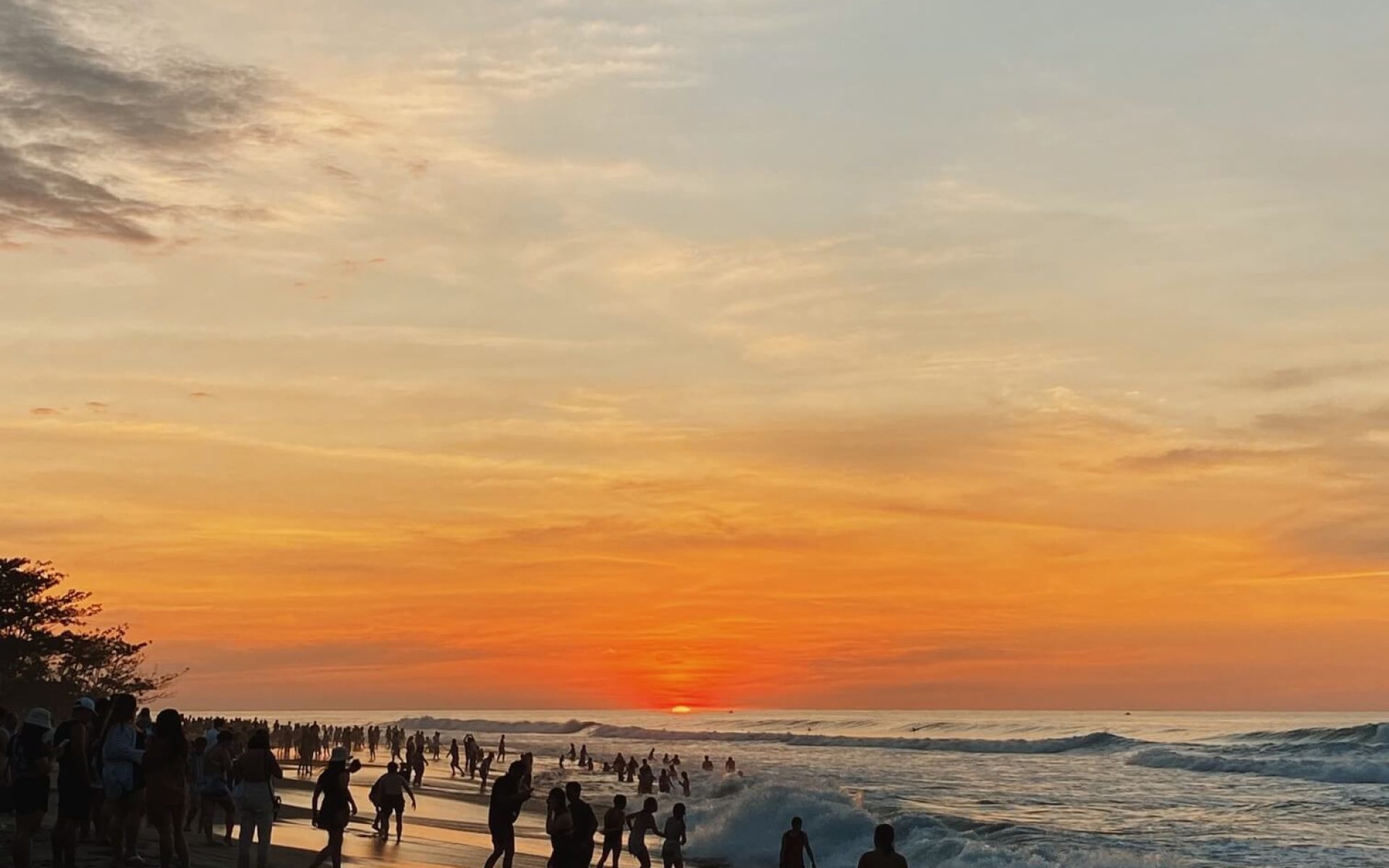
Now, every day the scene resets. People step out in ensembles à la Temu, posing by murals and rattan swings carefully arranged for maximum aesthetic impact. Cropped, edited, filtered with VSCO app, repeat. From sundown till the break of dawn, drinks flow like promises, and by sunrise, the beach is littered with empty bottles and juvenile meltdowns, the residues of a night that thought it was infinite. Elyu remains what it has always been: a converging point of contrasts—the sea and the city, the old and the new, the local and the lost. A place where waves once taught us balance, and now teach us how easily things can change shape.
Still, mornings here remind you of what it once was. When the parties have folded and the beach is hushed again, you’ll find the fishermen returning to shore and the waves whispering secrets the night forgot. Because in Elyu, the sea has learned to dance with time, and remember what the nights try to erase.