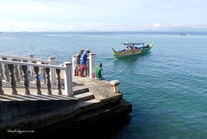


We were in the middle of our boodle fight lunch during our Once Islas Tour when Akira said, “Nanay, I love Zamboanga. This is the best day ever!” Everyone, including our newfound friends from the tour, was surprised by his remark. We laughed in unison, then told him, “The best is yet to come, my love.”
Zamboanga City isn’t really on top of people’s minds when they think about traveling in the Philippines. In fact, people who actually don’t know anything about Mindanao constantly ask us why we chose to travel there with our three-year-old son.
Christian and I, who’ve been to Zamboanga City a few times before, know that it is far from how it’s portrayed or viewed by some. The fact that police visibility isn’t ubiquitous here means that it’s safer than other cities. It’s probably more dangerous to walk on your own at night in some parts of Metro Manila.
History
The name Zamboanga was derived from the Subanon or Malay word jambangan which means a pot or place for flowers. The name was presumably used in reference to when the Malays discovered the place blooming with flowers. Zamboanga City is a highly urbanized city in the southernmost part of the Zamboanga Peninsula and is the third largest city in the Philippines. It is dubbed Asia’s Latin City partly because of the local Chavacano language— a Spanish-based creole language that is spoken widely here—and also due to the numerous Spanish influences that can be seen in the city.
Preparation
It was two weeks before this trip when Christian and I realized that there was an upcoming long weekend. Since we booked a lot of Cebu Pacific Air Super Pass vouchers, we explored our options and found a number of flights going to Zamboanga City that can be redeemed, and so we did.
We didn’t plan much for this trip and just consulted Zamboanga-based travel agency, itravel Tourist Lane, to take care of our tours.
Transportation
It was noon when we arrived at Zamboanga International Airport and went out to check out hotel options. There were taxi cabs, tricycles, and jeepneys, but we opted to hire a tricycle. The tariff for tricycles in Zamboanga City is ₱20 for the first kilometer and ₱5 for every succeeding kilometer. But in reality, what happens is that you pay for a special ride fare. The typical charge would start from ₱100 and it goes up if it’s nighttime. We ended up paying ₱150, which we thought was reasonable for a two-kilometer ride for three people – not to mention, traffic was so bad at that time. We asked some locals about it and we were told that the same rates also apply to them.
Going around the poblacion is easy as there are jeepneys that run downtown. We were fortunate that our hotel is just two kilometers from the city center, with jeepneys that go straight there for just ₱10. The only downside was that the jeepneys plying that route only do so until 8:30 PM.
Hotel
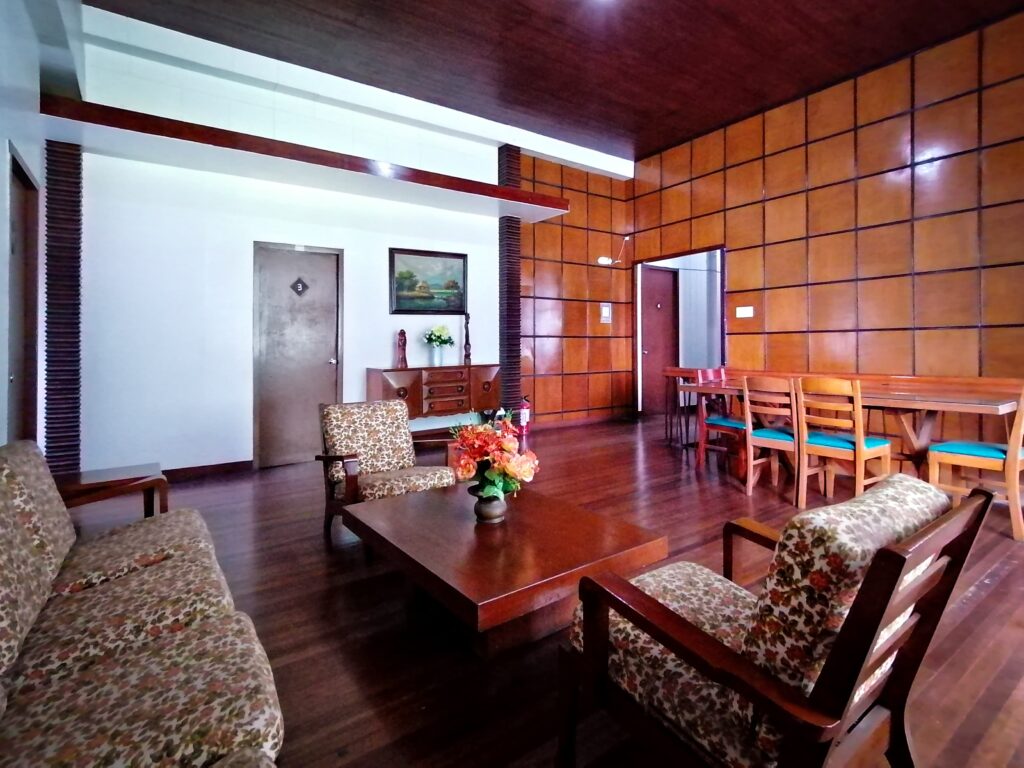
There are plenty of lodging options in Zamboanga City. We chose to stay away from the city center since prices are lower on the outskirts. We booked a room at Two Seasons Executive Suites online and got a great deal for around ₱800 per night.
The room was equipped with basic necessities: a bed, TV, air conditioning, and private bathroom, though the bathroom could use some fixing. There were no chairs or tables, so we requested those.
Food
Zamboanga City is a melting pot of Spanish, Malay, Chinese-Chavacano, and Muslim cultures, so you can just imagine its diverse cuisine. Food is actually one of the main reasons why I love to go back here.
Zamboanga City Center
After settling at the hotel, we went to the Canelar Barter Market by jeepney. The building itself was built in 1983 but I’m sure that barter trading – the exchange of goods and services – was practiced even before that. In fact, according to a local, the practice still exists now.
Canelar Barter Market is famous for its batik textiles, souvenir items, and Malaysian products. It’s frequented not only by tourists, but by locals and people from other neighboring island provinces as well.
Christian bought egg noodles for our mee goreng fix at the hotel while Akira grabbed some gummy oranges, totally ignoring the hundreds of Apollo chocolate products. Meanwhile, I tried to look for an oversized batik top, similar to one I bought here some years back.
We finished shopping at five in the afternoon and took a jeepney to the pueblo. From there, we strolled along the roads that led to Plaza Pershing, then to the Zamboanga City Hall. It was a very relaxed Friday afternoon in the city center.
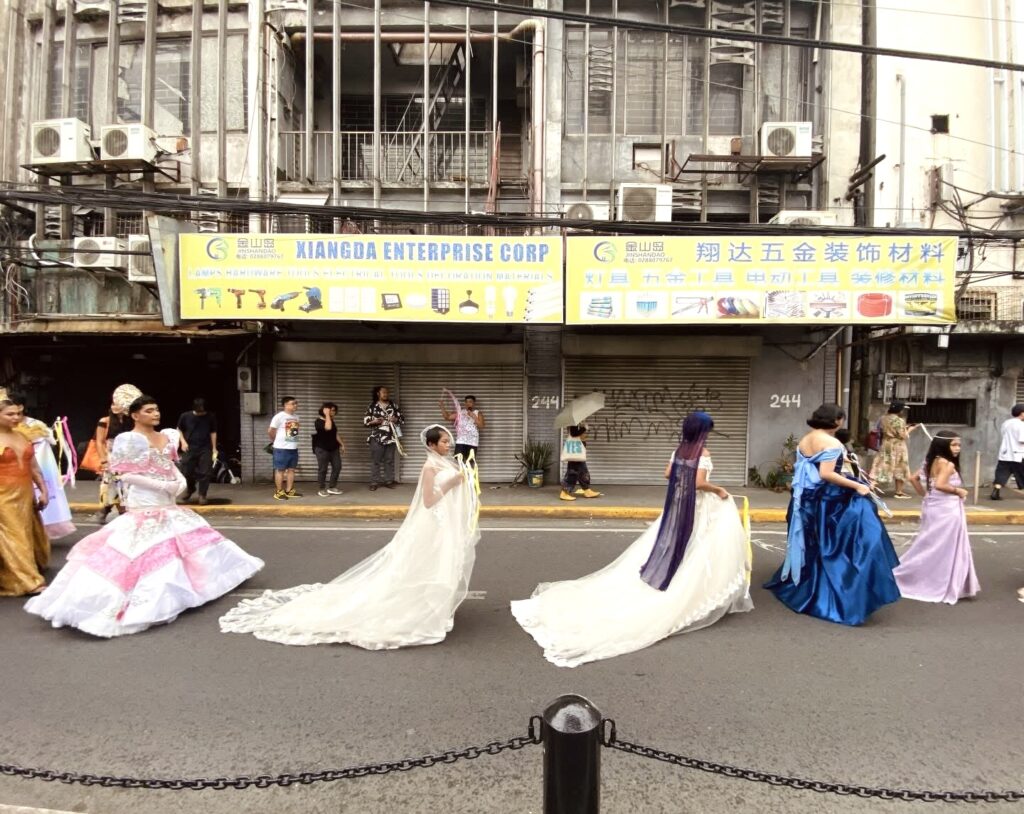
The memories from my first ever Zamboanga City trip in 2012 were that of an old town with local shops and restaurants. For this trip though, I was surprised to see more than a few famous restaurant chains, malls, shops, and even a Starbucks in the city. Christian and I both laughed; Starbucks doesn’t even have any branch in Malabon City where we currently live. That being said, I still love the old and new vibe of the city, which I can somehow compare to Malaysia’s UNESCO World Heritage City: Penang.
We arrived at Paseo del Mar at sundown. The word paseo in Spanish means “leisurely walk”, while del mar means “from the sea”. That said, this is a usual hangout place for locals to enjoy good food, a nice view, and entertainment from live bands. We snacked on chips and fishballs while watching the gorgeous sunset with the locals. It was the perfect end to our day.
Back in 2012, there was a gyrating musical fountain at night and it was actually one of the go-to places for locals and tourists. Unfortunately, the said fountain is now derelict. Some structures are also now built around it: a stage, a playground, a skate park, and a grassy field. I love how the local government provides parks like these for its constituents. I wish we have the same in Manila.
Just right outside Paseo del Mar is the National Museum – Zamboanga City. We didn’t get to visit it though, so we went to the nearby open-air church, Our Lady of the Pilar Shrine.
Akira was so fascinated with the church and people offering vigil candles. He saw some kids paying their respects to the priest by means of pagmamano. He followed suit, went in front, and took the priest’s hand for a mano.
On our way back to the hotel, we passed by Petit Barracks Night Market where some stalls were selling various preloved items, including clothing, toys, shoes, and more. There’s also an area selling drinks and local foodstuff. The place is reminiscent of the famous ukay-ukay stalls at the Baguio Night Market along Harrison Road.
The day before we left, we went to the Rainbow Mosque,The Metropolitan Cathedral of the Immaculate Conception, and R.T. Lim Boulevard, passing by some universities and food spots on the way to the boulevard. A row of tables and chairs lined the stretch. We decided to hang around and eat balut and beef chicharon. Due to its prime location, the food prices are understandably higher here. Nonetheless, it’s still one of the best spots for sunset viewing in Zamboanga City.
We walked our way to the other end of the boulevard, where a few locals enjoyed the rest of the night. We also saw some men busy with night fishing.
We took a jeepney that brought us to the Zamboanga Public Market along the city center. It was extremely busy, with a lot of stalls selling interesting food. We bought some for dinner before going back to our hotel.
Given more time, we’d explore more of the city and also bring Akira to more parks in town, like Pasonanca Park. Well, there’s always a good reason to come back in the future.
This article was originally published in Blissful Guro