

Coming home to the place where I spent my childhood often stirs nostalgia. Walking through familiar streets and seeing how life grew and changed brings sadness, longing, and happiness all at once. But as years passed by, I learned to accept that going back to my childhood hometown is finding joy in memories, and moving forward with what’s left to rediscover.
In conversations where people ask where you came from, I’d say I grew up in Pangasinan. Some would assume it’s Dagupan or maybe Lingayen. Perhaps because these towns are more popular. When I say Burgos, their faces go blank. So, I add, “It’s near Alaminos,” and suddenly the lightbulb flickers on, and they’d say, “Ah, Hundred Islands!”
Ironically, I never set foot on Hundred Islands until I was already working. My mom hadn’t been there. My grandparents never saw it.
I grew up with my maternal grandparents in this sleepy western Pangasinan town, 30 minutes from Alaminos City. Life in Burgos was simple and humbling. It’s slow, quiet, and people knew each other’s mothers and what everyone was doing for a living.
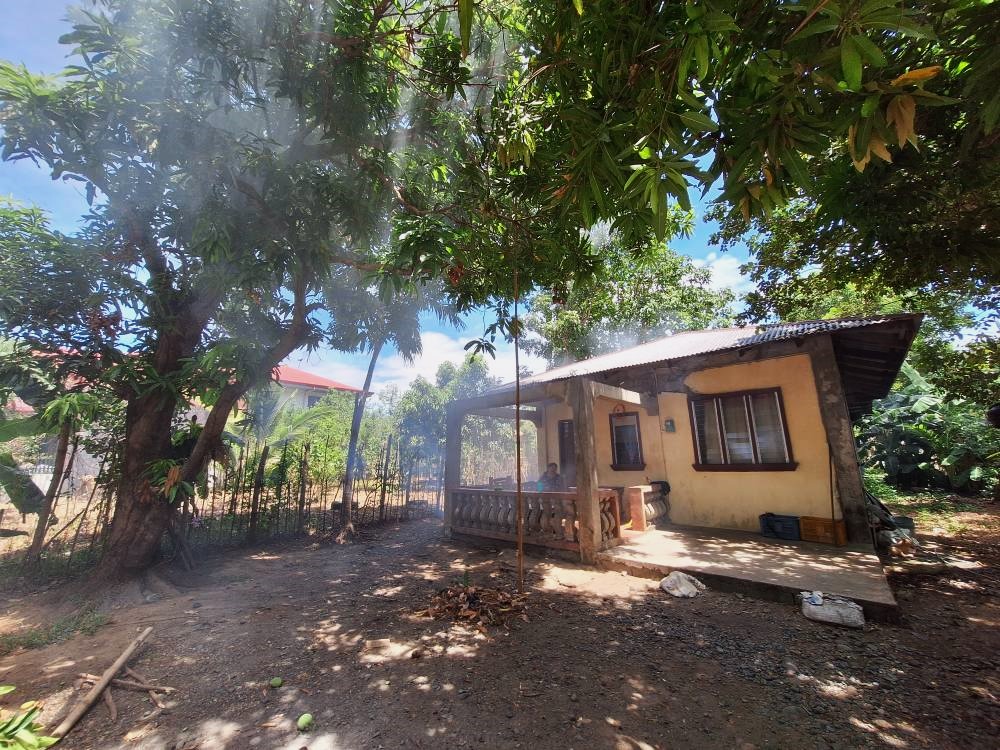
Vivid memories of childhood were filled with playing around our old house, helping my grandmother, Mamang Loring, sell rice cakes on weekends or set up pop-up stalls during fiestas, spending afternoons at the town plaza, and attending church on Sundays in a hand-me-down dress that was either bought from a thrift shop or given by my grandmother’s well-off acquaintances. My Lola would take me to the town proper, where we would make a long-distance call to my mother in Manila, telling her I got my first pair of earrings. We’ll then go to the market and buy fish that my lola would ferment into padas, a salty condiment best paired with fried fish.
There were afternoons at the school playground with my uncles, catching ararawan—or mole crickets. We’d fry them for snacks, sometimes for dinner. And oh, I would never forget the evening when Lola came home with palakang bukid and how my grandfather, Papang Mateo, got mad at her for making us eat frogs.
Life then was warm, uncomplicated, and full of love. It’s the kind a probinsyana, a lola’s girl, holds on to when life eventually sends her somewhere far, somewhere loud and overwhelming—that is, the city.
The leaving and regret
When I left for Manila to study, everything changed without warning. I never knew that growing up meant growing away. I never really had the chance to spend more time with my grandparents before they passed, and that regret has never gone away. It’s gentle but permanent.
Now, years later, when I return to Burgos, the pull is a tad bittersweet. Like stepping into a house that remembers you, even though the people who kept it alive are no longer there. Despite this, I wanted to go back, not because I am still grieving, but because I wanted to take the child in me back to her hometown.
Burgos feels different now. I’m seeing it through eyes that once belonged to a child, and now belong to a wanderer of life.
Sand, salt, and sunset
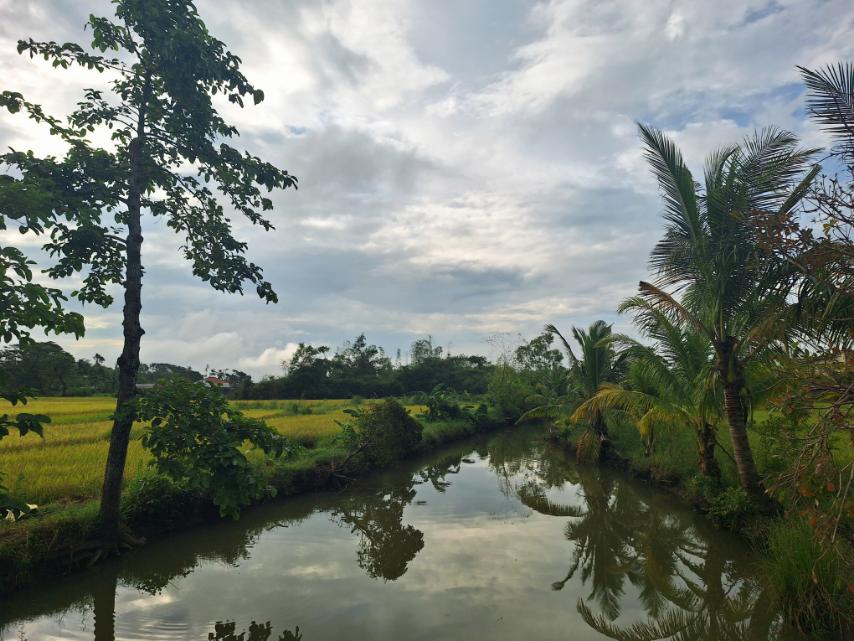
When the pandemic was over, I had the chance to appreciate my little hometown and its neighboring towns. The beaches, farms, markets, food, and the daily roadside life. Conversations on a veranda. Cousins who are now adults, the familiar laughter, memories from old relatives I barely recall, but still listen to because these are the people and the community that raised me.
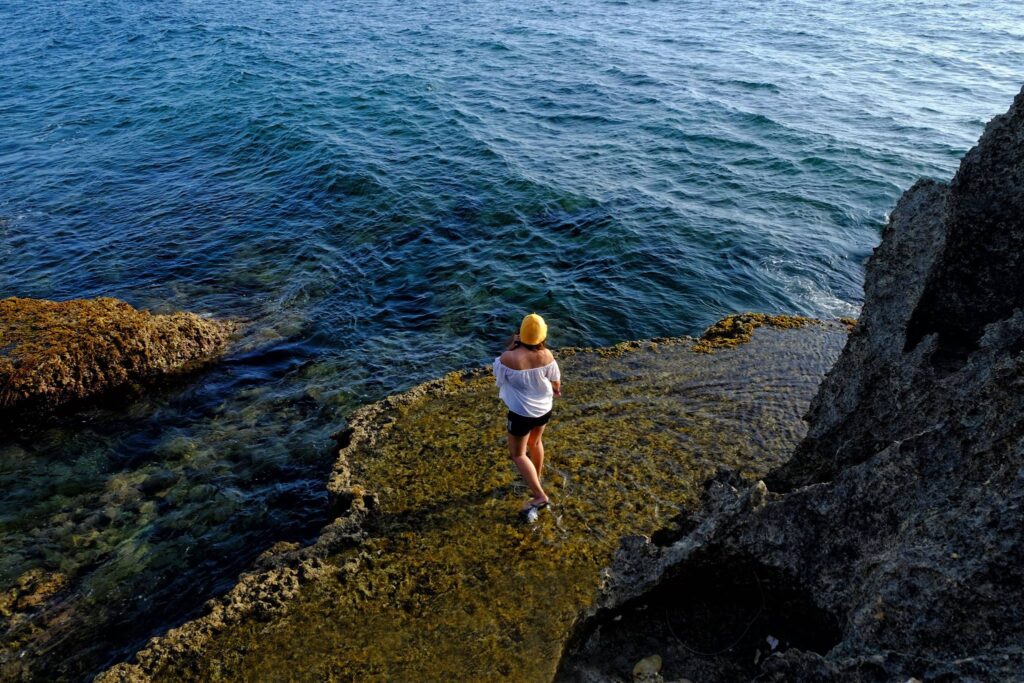
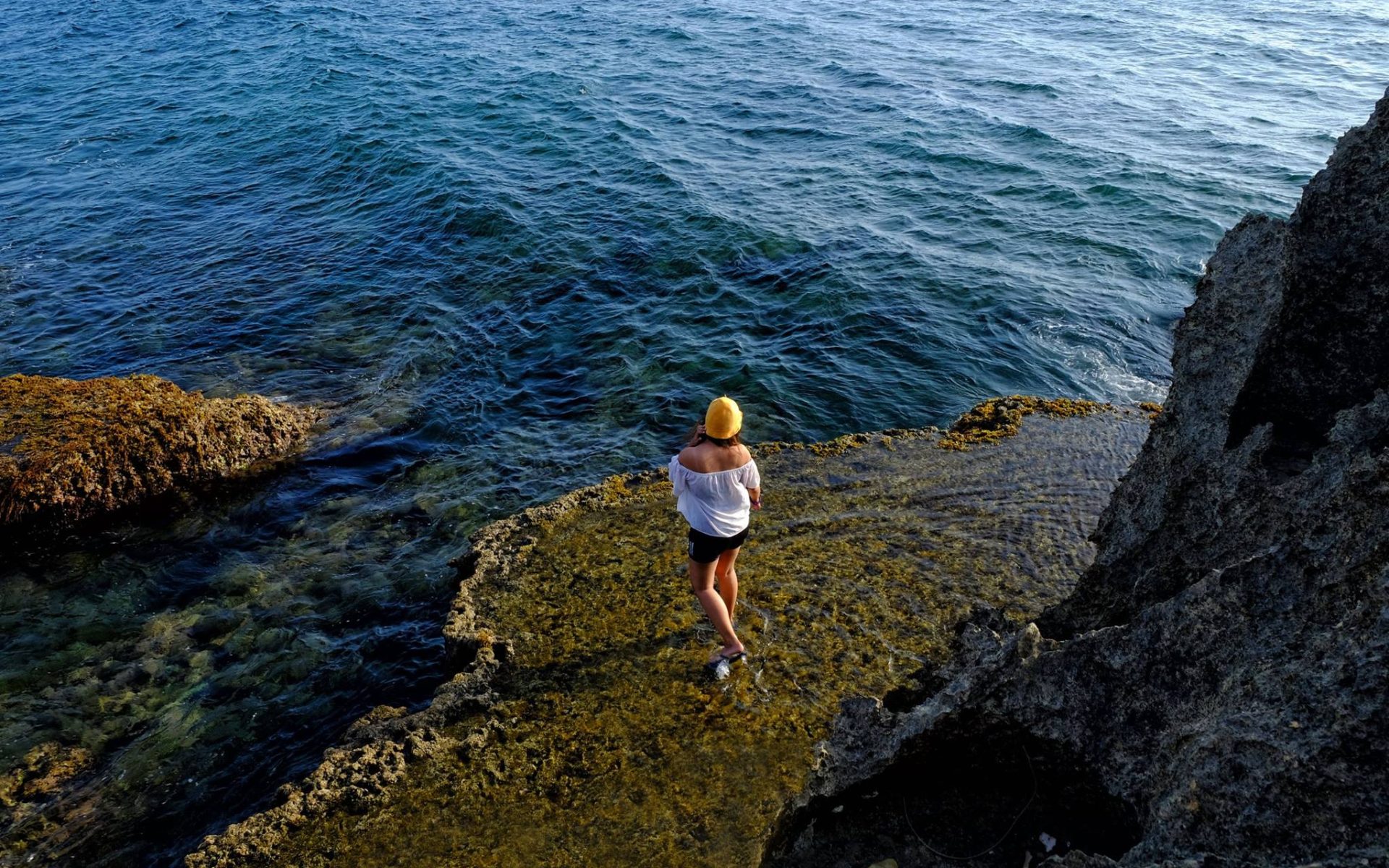
An hour from town is Cabongaoan Beach, a stretch of creamy sand where the sea can be both gentle and unruly depending on the wind. It is not a perfectly curated beach, not the type designed for postcards. You’ll hear families singing in karaoke on one side, then a group of fishers carrying their catch-of-the-day on the other. Walk further north, and one can find the Death Pool, a natural basin carved by waves, where both locals and tourists jump into the rough waters with a kind of reckless joy. Though a part of Agno, people often associate it with Burgos because it is only a few meters away from the rocky beach.
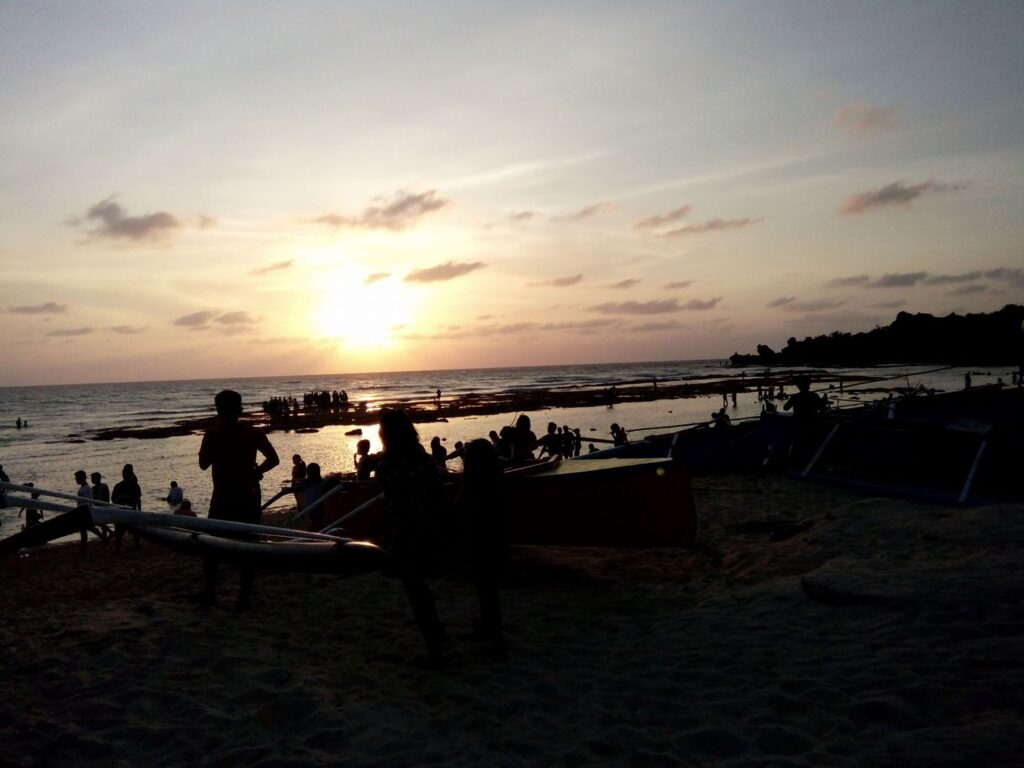
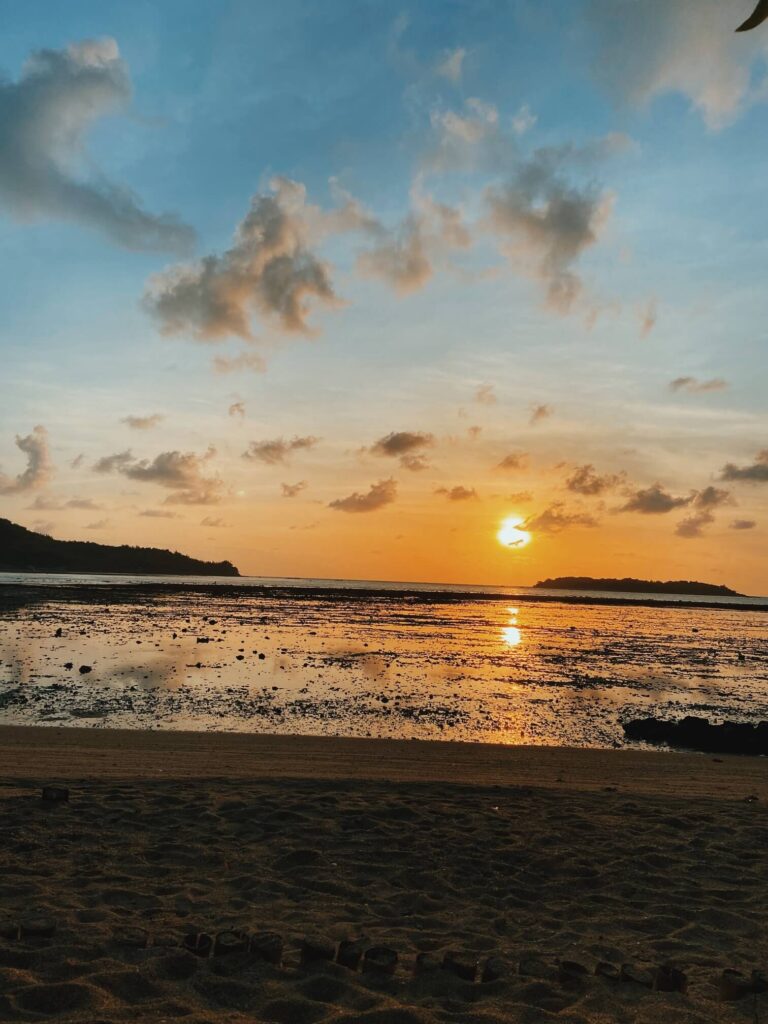
Thirty minutes south, in Macalang, Dasol, I found another beach tucked beside the main highway. Nipa huts line the shore, and families gather for boodle fights while waiting for sunset. For a more secluded beach spot, there’s Tambobong Beach, a peaceful getaway that requires an hour-long bumpy ride.
I realized my grandparents lived their whole lives just a short distance away from these places, yet they never needed to dip their feet into the sea or sit by the shore to affirm that life was good. For them, the heart of the town was enough, or maybe work is a priority that lounging by the beach feels like a luxury they could not afford.
On the way home, you’ll find salt fields by the roadside, where farmers harvest the day’s yield by hand. Salt piles sit in small mountains. Sometimes we stop to watch them work, in awe of their patience and hard work, and buy small sacks for a year-long supply.
A short detour from the town, there’s the Don Islao Farmhouse, a five-hectare dragon fruit orchard where my Auntie Hilda works as a farmer. We were fortunate to get a glimpse of this place and see how dragonfruits are being harvested. This farm has provided a stable livelihood for some townsfolk and produced export-quality fruits we crave for.
My vacations in Burgos would not be complete without hitting the public market. I spent many mornings here selling puto and karyoka, made by my late Auntie Lorna and Mamang Loring.
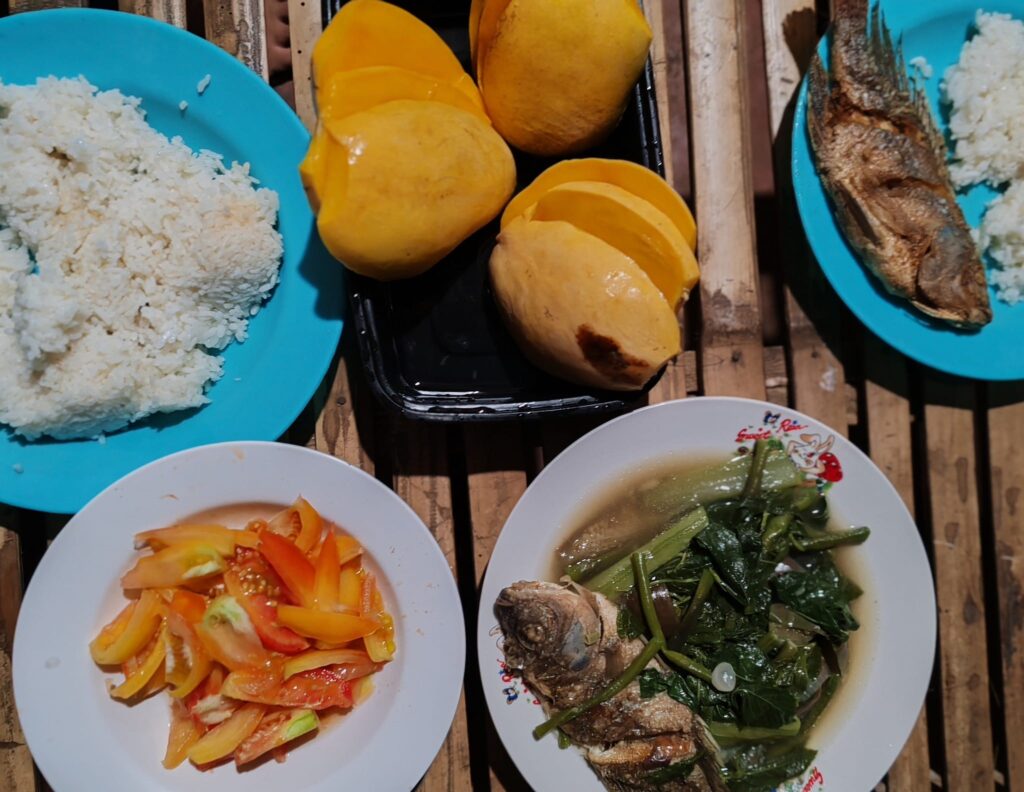
During recent visits, my cousin Butz would prepare dinengdeng for us, a hearty soup of fresh vegetables—eggplant, saluyot, okra, and whatever is available in the backyard. Pair it with fried bangus with bagoong, lasona (small onions) and tomatoes—ah, it’s heaven on a plate. These, along with pakbet, igado, papaitan, and dinuguan are the dishes we grew up with. I am blessed to still get to taste these hearty dishes, sometimes I just wanted to cry out of pure joy and longing and relive memories of family meals at our veranda.
During our yearly padasal (praying for departed loved ones), we’d prepare simple Pangasinense delicacies. Puto calasiao, tupig, and karyoka are always present and we must not forget to place atang or food offerings beside the photo frames of the departed.
On a visit to my cousin in the nearby town of Infanta, we went home with a bag of fresh okra, mung beans, and saluyot she picked herself in her backyard. For them, it was nothing, just like an ordinary day, giving out fresh produce to visitors or neighbors. But you see, I find joy in these small things that I remember them clearly up to this day.
Coming back home
I often think about how close I grew up to all of this, yet how little I understood. Today, I feel like I am gathering pieces of a place I once took for granted. These coastlines and fields are new to me, yet old to the land. They existed long before I learned to see them, and long after the people I loved were gone.
We don’t have vibrant bars or curated cafés. Just humble eateries, old bakeries, and aunties and uncles who have been selling from the same stalls for decades.
My little hometown never tried to impress anyone. People here simply live and let things be, and I love every bit of it. And maybe that’s why coming home feels like healing and a lot like rediscovery.