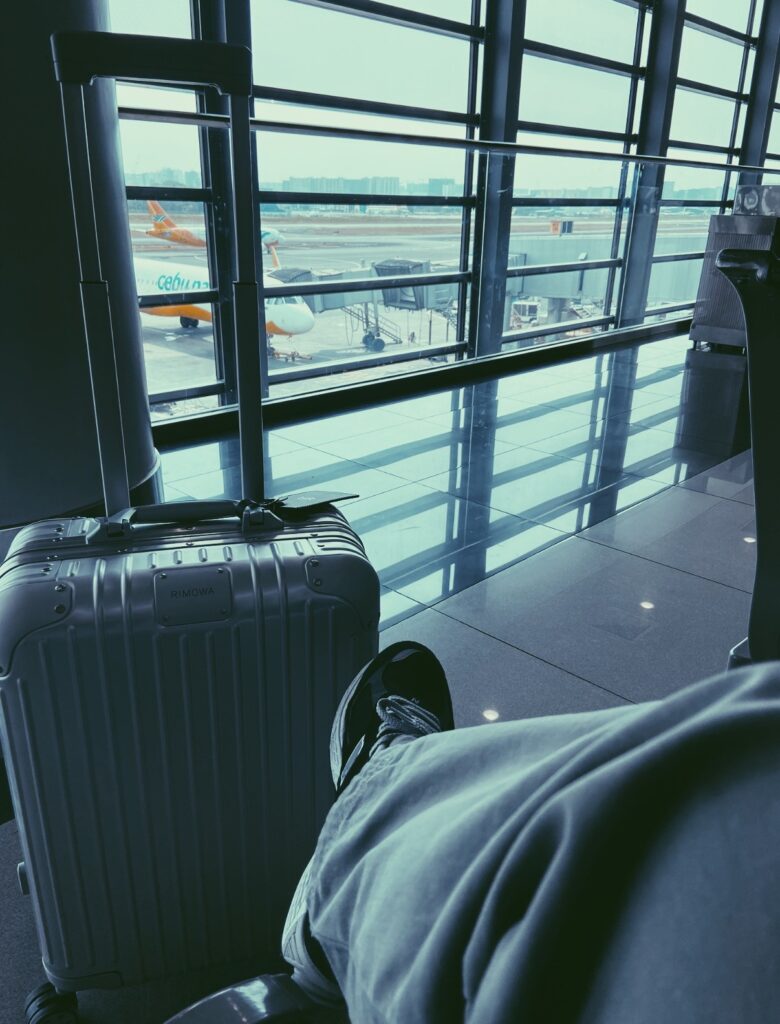

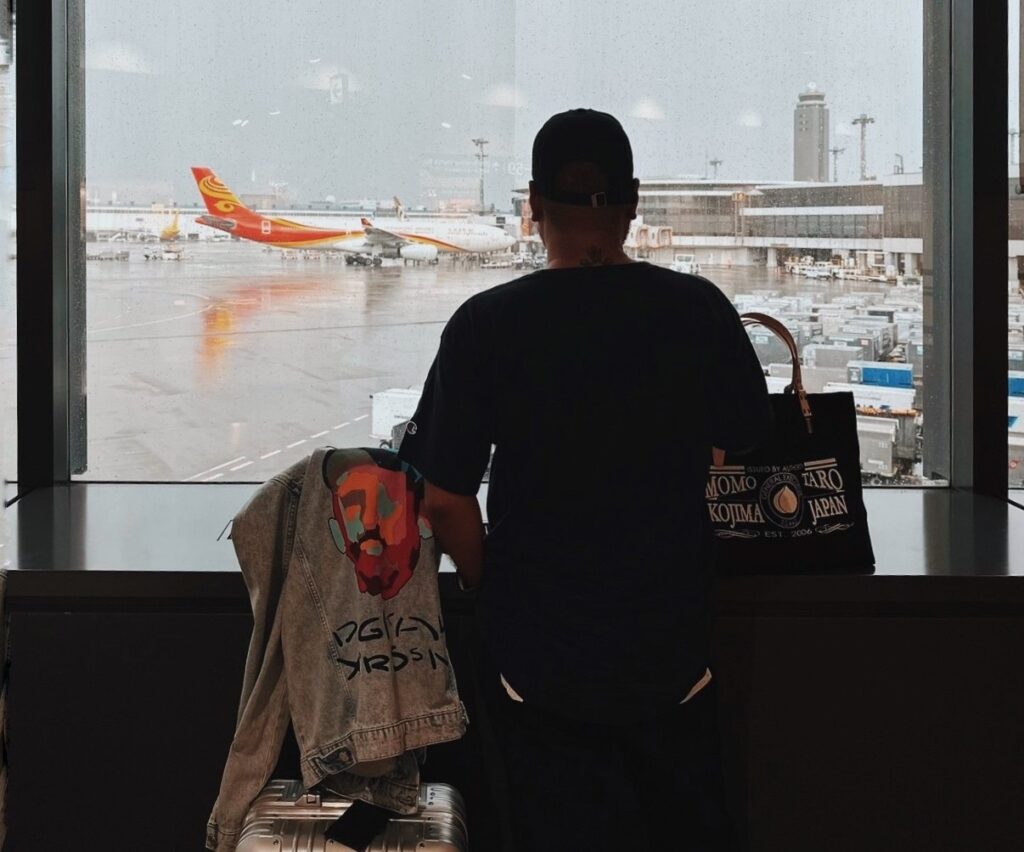
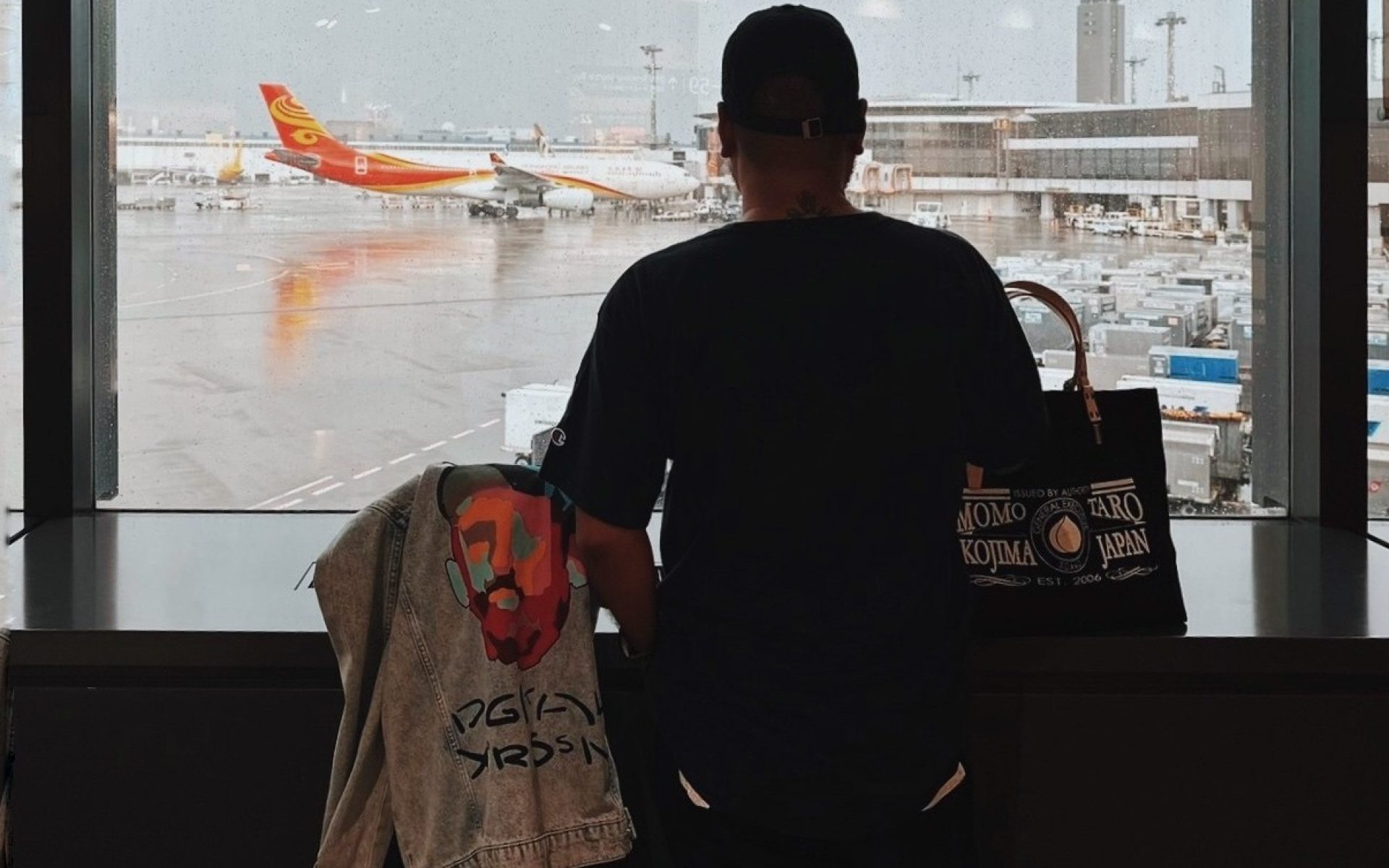

An existential manifesto disguised as a pre-departure checklist (Part 1 of “The Mundane Series”).
So here you are, the point in your life when the pre-trip preparation demands more time than the actual flight. You used to pack in 15 minutes, five of which were spent in an internal dialogue about whether two pairs of underwear were enough for a four-day trip. But that was another life, another version of you. At twenty-three, you were basically Dora the Explorer but with worse financial decisions and an unhealthy devotion to piso fares. You traveled like the world was ending next week, because with your budget and life choices, it almost always felt that way.
And then time passed, life happened. Not quietly, but with the subtle aggression of reflux esophagitis and hip joints clicking when you stand up. Suddenly, travel became tamed, itineraries gentler, and trip fanfares muted. The deceleration was not a tragedy; it was a recalibration.
Your packing routine, once effortless, has evolved into an elaborate ceremony: a choreographed dance of necessity, vanity, biology, and social obligation.
The Skin Care Process
Sometime in the late 2000s, a beach trip only meant SPF 8 tanning oil, which was basically coconut-scented bravado. Hydration? Skincare? Those are for white people. Being Asian came with a birthright to impossibly good skin, so you rinsed your face with cold water, prayed for the best, and faced life button-nose first.
Now—older, wiser, and with your Asian card slowly declining—things have changed. This isn’t “skin care” anymore. It’s calculated risk mitigation. And calling it a ritual feels too modest: it is a process complete with its own flowcharts. Facial wash, AHA peel, niacinamide toner, retinol serum, ceramide serum, moisturizer, sunblock, and a fine mist made of babies’ tears. You moisturize not out of vanity, but as a coping mechanism. You apply SPF not for beauty, but because UVA rays now feel like personal attacks.
In truth, skincare has become a small act of kindness toward the person you’re still becoming. Aging may be inevitable, but feeling defeated by it is optional.
The First Aid Bag (a.k.a. Mercury Drug Sampler Kit)
Your old travel medicine pouch used to contain exactly one thing: paracetamol. Sometimes, you didn’t even bring that.
Today is a different story. You no longer sprint across cities for “must-see” spots. No more partying in Pub Street until 3:00, then waking up at 4:30 for sunrise in Bayon Temple. You move slowly now, because you finally listen to your body and accept that FOMO is just capitalism in a 60-liter TNF backpack.
Your first aid bag includes maintenance pills for hypertension, melatonin to trick your circadian rhythm into obedience, probiotic pills, Gaviscon, vitamin supplements, and an apothecary’s rack of Tiger Balm ointment, White Flower liniment, Poy Sian inhaler, and Katinko oil in all four variants.
Scratch that. The Katinko collection deserves its own bag. Newbie TSA officers look at your luggage like you’re launching a small, contraband-scented pharmaceutical startup.
The Work Laptop: A Necessary Evil
Your external hard drive used to contain 3,000 photos of the same church, taken at slightly different angles. Now your camera roll holds only three types of photos: random street cats, unflattering selfies, and pictures of receipts for post-trip accounting. You already ditched the heavy DSLR and its multiple lenses. Most gadgets are gone except for one: the evil book, the corporate-issued laptop.
You promised yourself this trip would be different. No interruptions. No emergencies. No Slack messages beginning with “Hi, sorry, quick question lang…”
But you’ve lived long enough to know the truth. At some point, someone at work will need rescuing to prevent the office from spiraling into a dismal, post-apocalyptic wasteland. So you bring the work with you, not out of guilt, but out of institutional trauma.
Maybe it’s a Filipino thing. This instinct to overperform, to be indispensable, to carry the burden of proving we deserve our seat at the table, even on vacation. So it becomes a conscious acceptance that your carry-on is part personal effects, part emergency helpdesk.
The Groceries: Pasalubong or Pasabuy (Lines Are Blurred)
This is where your 23-kilogram baggage allowance goes to die.
You tell yourself you’re packing light, but somehow you’re stuffing ginisa mix, Magic Sarap, dried mangoes, and—if you’re into a high-risk lifestyle—Tender Juicy Hotdog and cans of Purefoods or Delimondo corned beef. These aren’t for you. These are for your Filipino friends abroad whom you’ll be meeting for coffee. Friends who will pretend they don’t need anything more but will absolutely snatch your Katinko haul with the speed and precision of a trained pickpocket.
While the world follows geopolitical and cultural trends for migration patterns, the Filipino diaspora could simply be mapped by tracking where the TJ hotdogs end up.
Flavors for the Soul
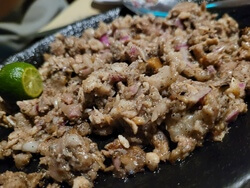
Abroad, breakfast usually begins optimistically: perfectly poached Eggs Benedict, al dente rigatoni all’Amatriciana, flaky “kwasong” or whatever the local specialty is. But after a few days, your palate begins to revolt, staging a coup against foreign seasoning or the lack thereof.
As we get older, that tolerance shortens. Say, to five days. So you bring an emergency stash of bagoong, buro, and pinakurat—tiny ambassadors of Filipino comfort that turn strange kitchens and unfamiliar Airbnb corners into small, edible pieces of home.
Travel has changed, yes. But so have you.
After three decades of surviving questionable hostels and whirlwind weekend escapes, you’ve embraced exactly what you need. You’ve made peace with unpretentious itineraries and with the inevitable revenge of uric acid. Your packing list now reads like a love letter to comfort, practicality, and the awareness that your body now charges convenience fees. Maybe this is what midlife travel truly becomes. No longer a search for new places or a pursuit of adventure, but a kinder negotiation with ourselves.
And everything you bring—topical ego-preservation serums, potentially illegal inhalers, pre-colonial condiments, work portals, crisis-adjacent dread masquerading as melatonin—tells the story of someone who still travels, still explores, but now does it with precision, intention, and a slightly more responsible liver.