

Antique is proof that lessertraveled doesn’t mean less.
Often overshadowed by the vibrance of Iloilo City, the white sandy beaches of Boracay, and the mystique of Gigantes, most travelers tend to overlook Antique—a province on the western flank of Panay Island.
Thanks to those who arrived by accident or curiosity, news began circulating in recent years about Antique’s dramatic landscapes: cloud-covered summits, deep forests, crystal-clear rivers, sleepy fishing villages, and far-flung islands. As more visitors seek places beyond the usual circuits, Antique is finally getting its spotlight.
Essential Stops in One of the Country’s Most Overlooked Provinces
Antique rests in the Central Panay Mountain Range whose highest point, the 6,946-foot Mount Madja-as, lures hikers from across the region.
Hidden deep in the uplands of Barangay Fullon lies one of Antique’s most compelling treasures: a cluster of centuries-old rice terraces built by the Iraynun-Bukidnon, an indigenous community whose language, Kinaray-a, is woven into the Antiqueño’s daily life. Stretching across 600 hectares and reminiscent of Banaue’s famed amphitheaters, the San Remigio Rice Terraces showcase breathtaking agricultural work.
The four-hour trek to the viewpoint is made more bearable by the warmth of the Iraynun-Bukidnon, who continue to tend to the terraces. Now preserved with the help of the National Commission for Culture and the Arts, the terraces are a reminder of a sophisticated agricultural tradition of the island’s earliest settlers.
Botanists and hikers alike venture into the nearby forests of San Remigio’s Aningalan to search for the elusive Rafflesia speciosa, a rare endemic flower that blooms unpredictably and survives only for a handful of days.
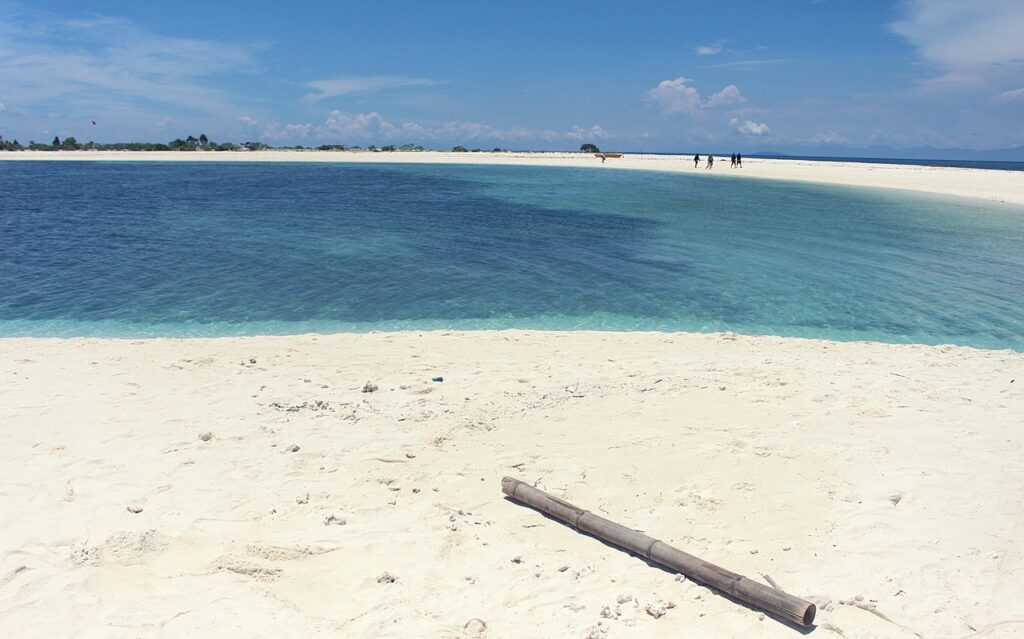
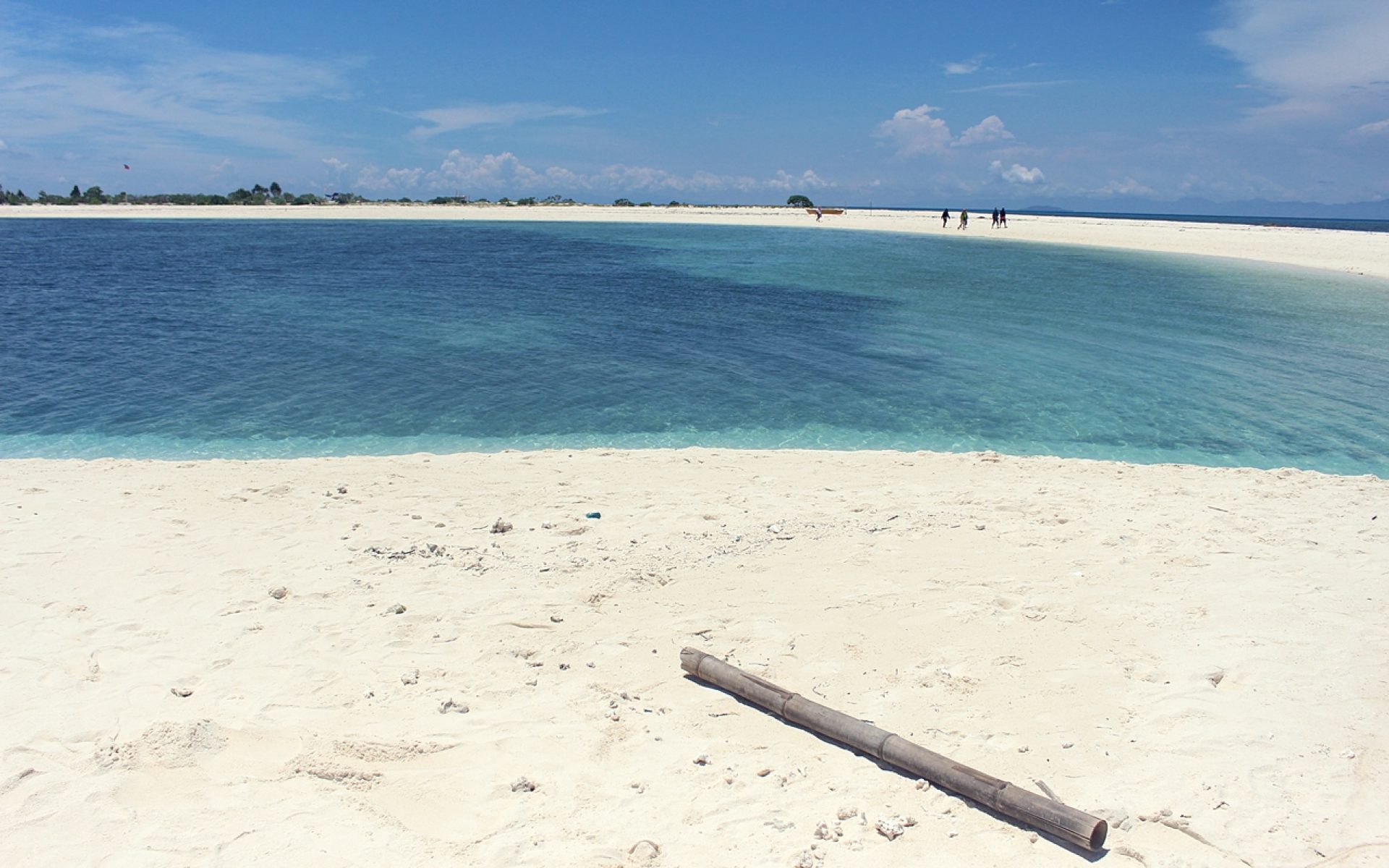
Seco Island, an elongated sandbar shaped uncannily like a bent elbow (its name derives from siko, or elbow in the vernacular), is dazzling in its isolation. The five- to six-hour boat ride is a test of patience, but the reward comes greatly: powdery white sand, shallow turquoise to deep blue lagoons, and that out-of-the-ordinary feeling of being dropped into the center of the Sulu Sea.
Just off the town of Culasi, Mararison Island greets visitors with a choir. The Mararison Children’s Choir, composed of local students, sings “Kinaray,” a traditional piece that harmonizes across the shore. A short hike leads to Lantawan Peak, where a 360-degree panorama reveals rolling hills, coves, and the open sea. At night, fireflies light up the vegetation—a fitting nightcap before visitors retire in simple community-run homestays.
In Sebaste, the trail to Igpasungaw Falls is an easy 45-minute walk, ending at a broad, curtain-like cascade that spills into a series of clear, cold pools. The largest basin is shallow and swimmer-friendly, though caution is still warranted. The falls’ picturesque surroundings make swimming irresistible.
Adventure-seekers often make a detour from Boracay to Tibiao for a day of exploring waterfalls, rivers, and a hot bath. Bugtong Bato Falls, a three-tier cascade, is reached after a brief hike. Tibiao River offers a wilder experience: an untethered inner-tube ride through rapids, followed by the province’s signature kawa hot bath—a firewood-heated cauldron perfumed with herbs.
But just when you think you’re done for the day, Antique still has a few surprises up its sleeve.
The modest Museo de Tibiao houses the 25-kilogram “Pearl of Tibiao,” considered among the world’s largest. In Anini-y, the 17th-century Church of Saint John of Nepomuceno, built with coral stone and weathered by war and storms, stands watch over the sea.
Offshore, Nogas Island, untouched except for a lighthouse, offers mangroves, kalachuchi-lined paths, and birdsong. In Pandan, the Bugang River, repeatedly cited as among the country’s cleanest, is a gathering place for picnics, swimming, and slow paddling.
At the provincial capitol, two National Artists, Napoleon Abueva and Jerry Elizalde Navarro, leave their mark through a sculpture of Evelio Javier and a painting depicting the legendary Barter of Panay. It tells the story of 10 Bornean datus who, according to oral history, traded a golden salakot for the island. These datus are also immortalized in life-size sculptures on the bank of the Malandog River.
Legend, landscapes, culture, and quiet beauty converge in Antique. What was once a province known only to hardcore backpackers is now emerging as one of the Philippines’ most compelling detours—one that is well worth the journey.