

A decade ago, the mere mention of Maguindanao—a province in the Bangsamoro Autonomous Region in Muslim Mindanao—was enough to strike fear, its name inseparable from the grim headlines of 2009. But as justice took its course and the political climate began to settle, the province emerged from the long shadow of its past. Today, a shift is underway: toward its culture, its stories, and the landscapes that have remained largely unseen. Maguindanao may not appear on the usual tourist itinerary, but it is a place that rewards those willing to look beyond reputation and toward discovery.
The Art of Inaul and Community Craft
The province’s cultural traditions surface most colorfully in the inaul, a handwoven textile whose intricate patterns and vibrant palette reflect the heritage of Maguindanao’s Muslim communities. On wooden looms, weavers combine dozens of threads to create cloth that carries both beauty and meaning. Colors are symbolic: red for bravery, yellow and orange for royalty, black for dignity, green for peace, and white for either purity or grief. An annual Inaul Festival celebrates this enduring craft, filling the streets with dancers draped in luminous fabric.
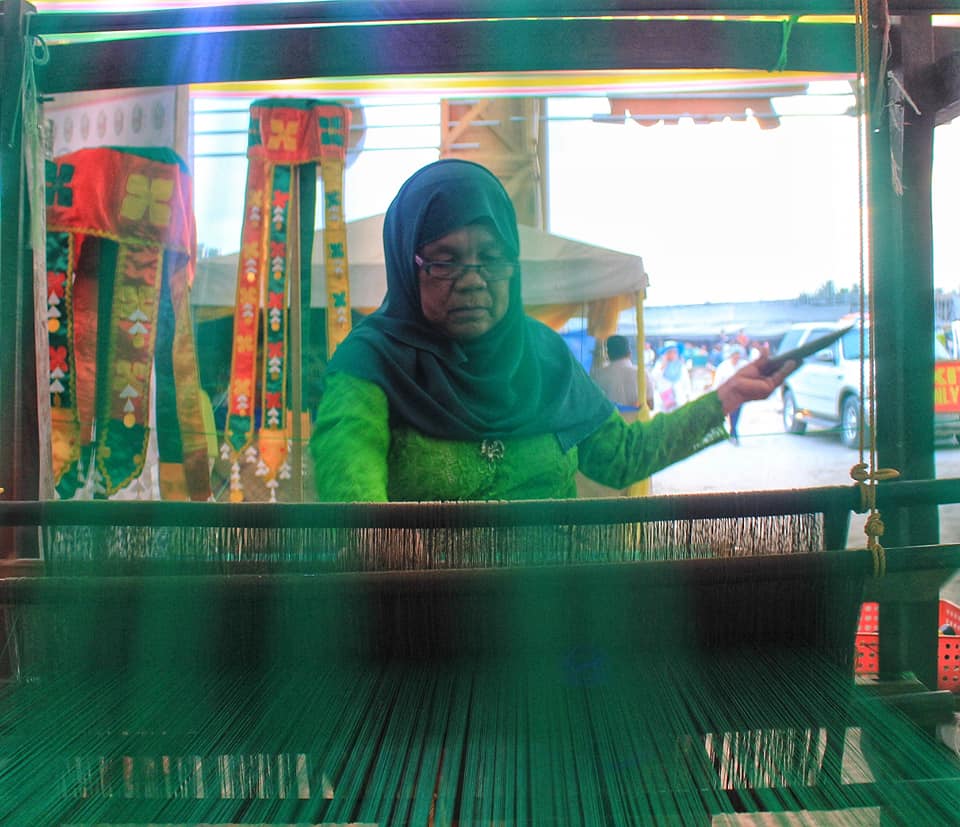
In the town of General Salipada K. Pendatun, mothers derive additional livelihood by transforming the region’s prolific water hyacinths into baskets, mats, and household goods. Training programs have allowed inaul weavers to incorporate basketry into their skillset, reinforcing an economy rooted in craft and community. The municipality itself honors a pioneering figure: Salipada Khalid Pendatun, the first Filipino Muslim to become a lawyer, brigadier general, and later, a senator, and governor.
Waterfalls, Trails, and the Pink Mosque
Higher in the province, on the slopes of Upi, a network of gentle trails leads visitors to modest but striking waterfalls, including Ranao Pilayan Falls. Reaching the cascade requires only a brisk 10-minute walk from the trailhead, offering a peek into the upland landscape of the province.
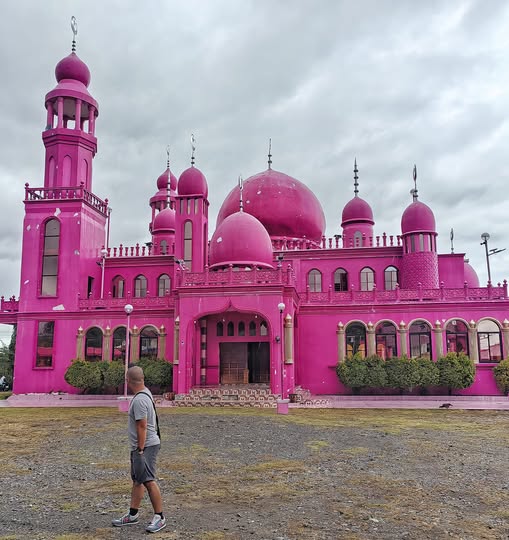
Symbols of unity also rise from Maguindanao’s plains. In Datu Saudi Ampatuan, the Masjid Dimaukom, also known as the Pink Mosque, stands as an emblem of interfaith cooperation. Built in 2013 by both Christian and Muslim workers, its bubblegum-colored façade is as notable as the message it was intended to convey.
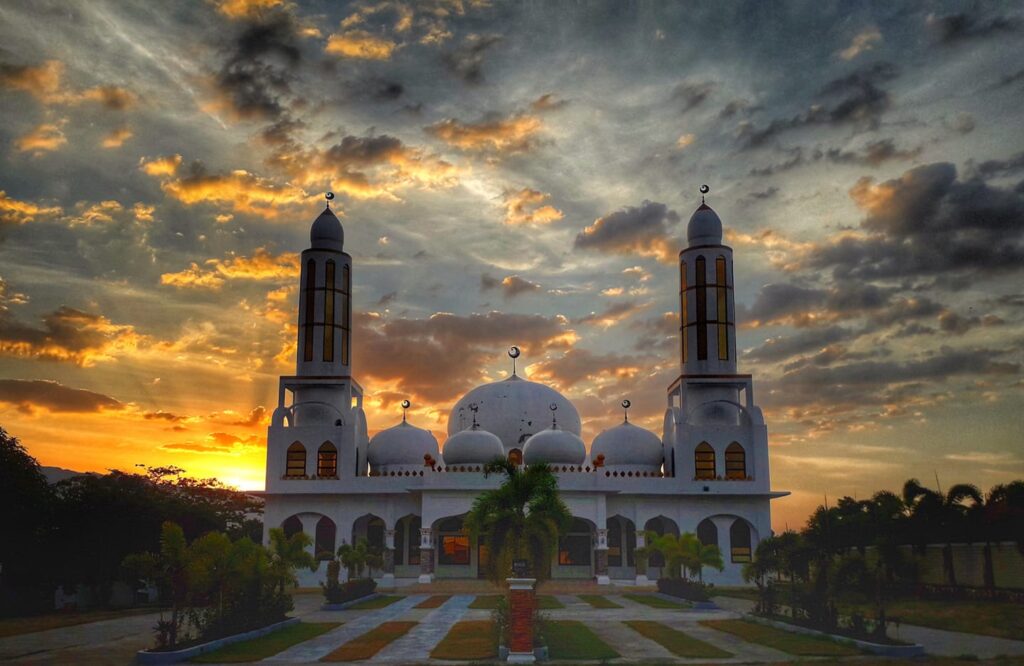
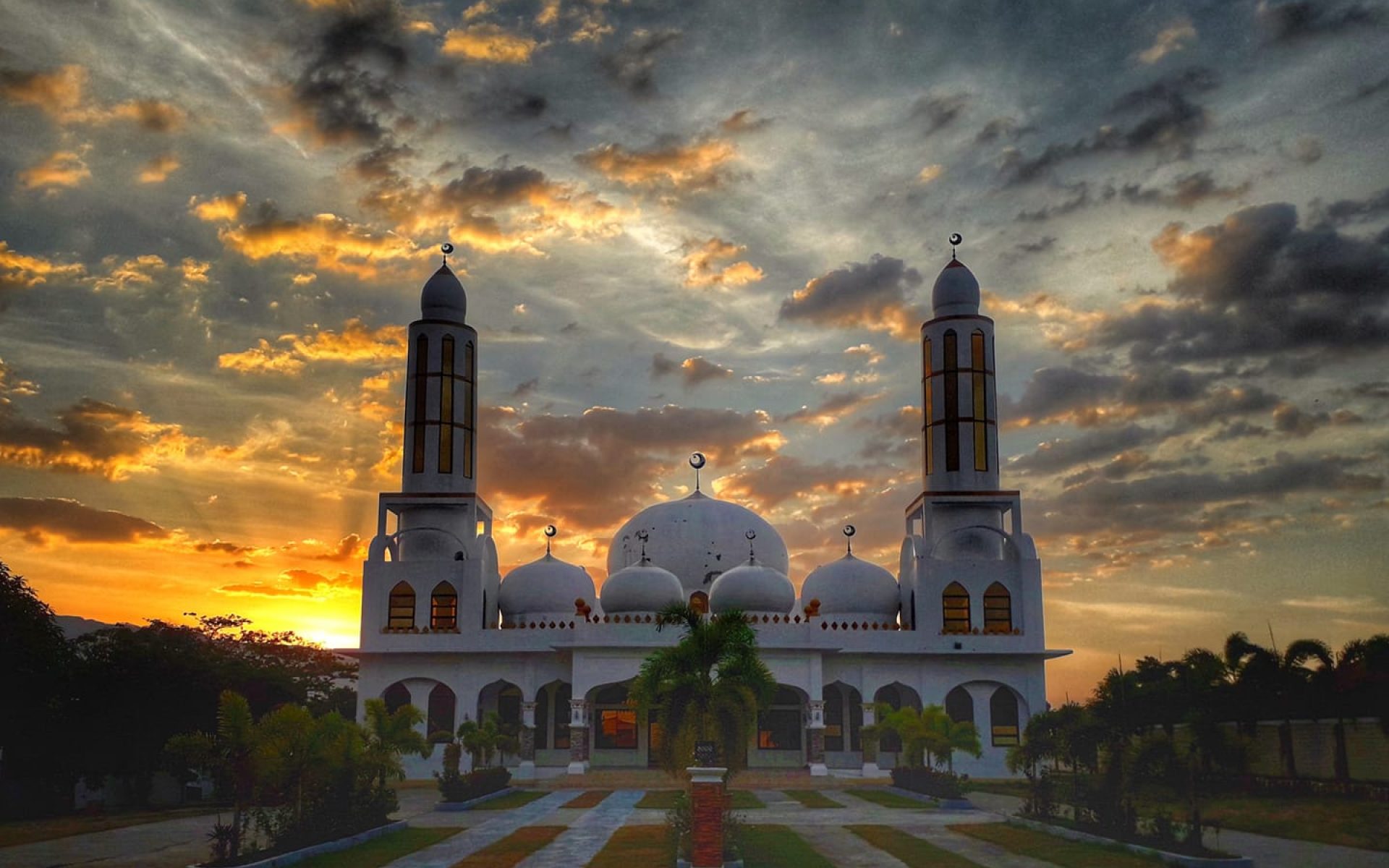
Meanwhile, in Datu Odin Sinsuat, the White Mosque, or Masjid Al-Nasser Abpi, stands out beautifully, especially against the backdrop of the dusk sky.
Return to Blue Lagoon
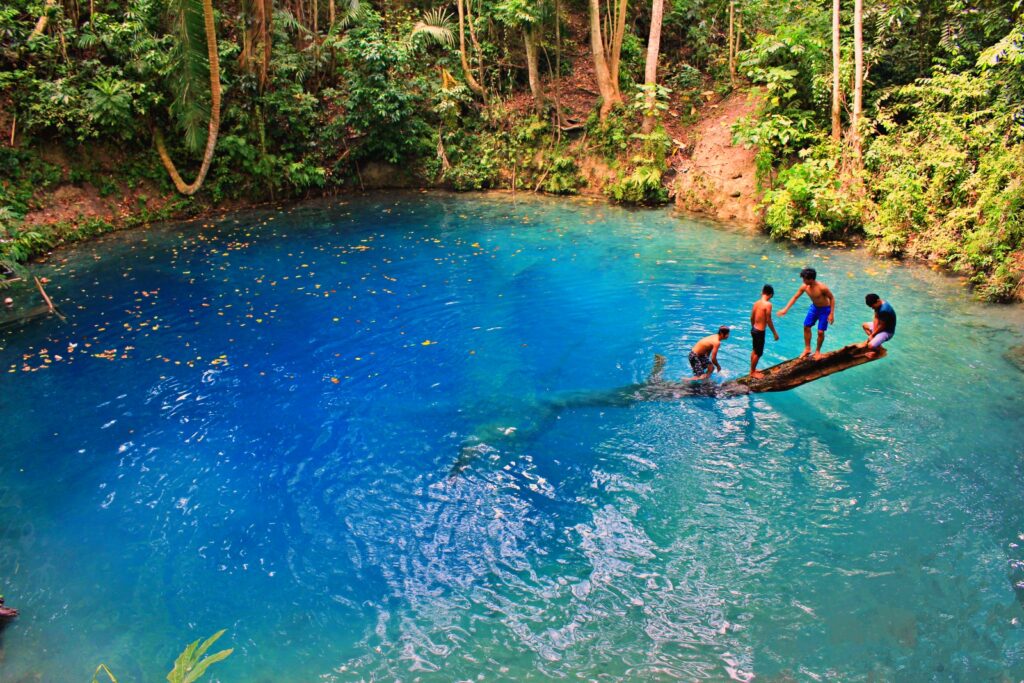
This is not a reference to a Brooke Shields movie, but to my second visit to one of nature’s more peculiar wonders. Located in the town of Datu Odin Sinsuat, “Blue Lagoon” is a circular lagoon seemingly carved out of a random patch of land. Just a stone’s throw from a local community and the main road, it’s highly accessible yet carefully maintained by the locals. Measuring roughly 70 to 80 feet across, its waters gleam an electric blue Gatorade hue. Surrounded by centuries-old trees, the pool radiates beautifully under the seeping sunlight, inviting one for a dip or a plunge. On my return here, we were able to share a breakfast platter of local delicacies with some community members, affording me a wonderful experience of the place and its friendly people.
The Teduray’s Tradition
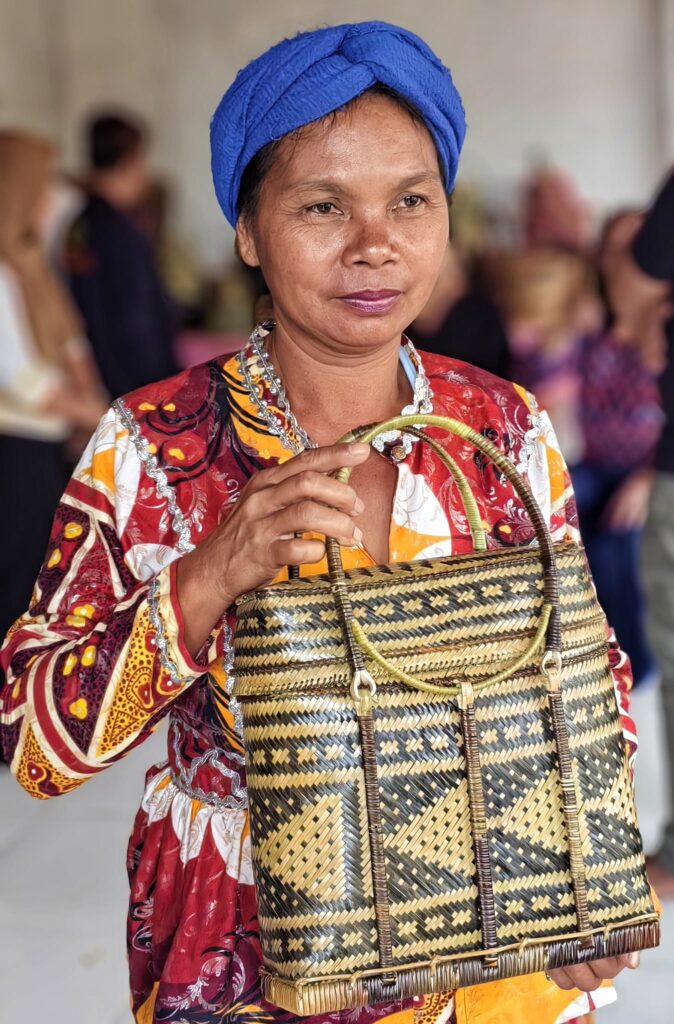
Deeper into the province, in Barangay Limpongo in Datu Hoffer Ampatuan, the Teduray live between Maguindanao del Norte and Maguindanao del Sur. One of the indigenous groups of Mindanao, their name derives from tew, meaning “people,” and duray (a tiny bamboo hook), symbolizing their skill in fishing and crafting finely made rattan and bamboo goods. The women of the Limpongo Women and Youth Association preserve techniques passed down through generations, providing both income and a means of sustaining cultural heritage.
Such encounters hint at the layers of tradition that flourish across Mindanao. In this small barangay alone, handicrafts embody stories of ancestry, resilience, and the patient work of handing down knowledge from one generation to the next.
These moments represent only a fraction of what we have discovered on our journey through Maguindanao, which is steadily redefining itself.
“I hope you find time to return, as we still have a lot of beautiful nature and fascinating cultural sites to show you,” one of our guides and a staff member at the provincial tourism office told us. Away from its past reputation, rich culture still exists among communities committed to keeping their heritage alive, complemented by natural attractions that continue to reveal themselves to those willing to look beyond the headlines.