

A walk through Naga City revives an appreciation for old childhood spots
I find it difficult to write about Naga City from a tourist’s perspective. While I’m no longer based there, it’s where I grew up. Novelty is always more exciting, and my hometown feels nondescript in its familiarity.
On a recent hometown visit, I joined my parents on a downtown Sunday stroll to work up an appetite for breakfast. I wanted to reacquaint myself with Naga’s old sights in the hopes of finding something new.
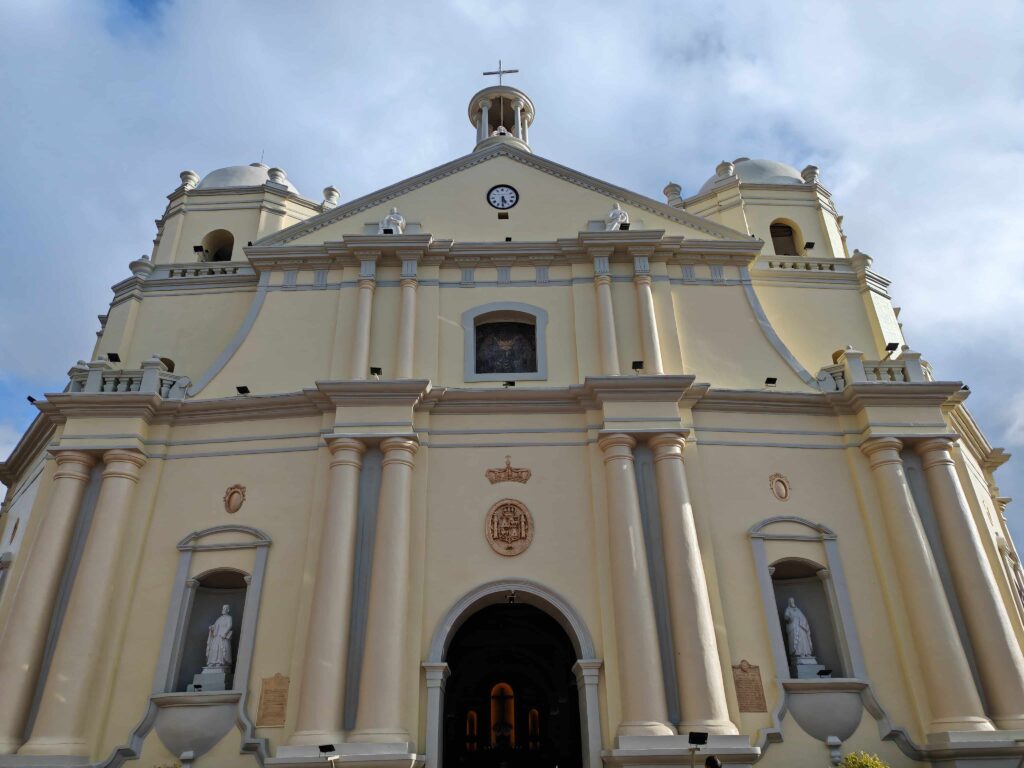
Originally founded in 1575 as Ciudad de Nueva Caceres, Naga City is one of the five original Spanish Royal Cities in the Philippines, alongside Vigan, Iloilo, Cebu, and Manila. Most tourists start their Visita Iglesia tours with the Naga Cathedral to pay homage to Our Lady of Peñafrancia or Ina, the Patroness of Bicol, where thousands of pilgrims flock in September for the Peñafrancia Festival. Originally grey adobe, the church was painted black for a while but recently refreshed with a pastel yellow hue.
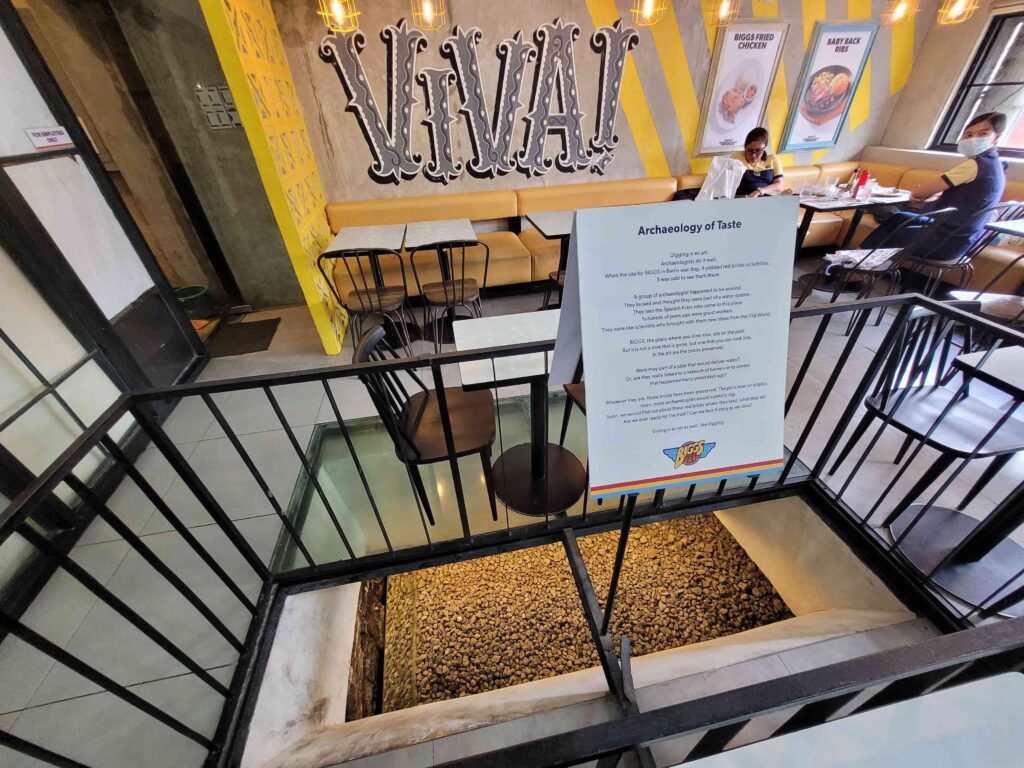
Along Barlin Street is a cozy branch of BIGG’s, my favorite childhood burger joint. Each visit, I order a cheeseburger, I’m left delighted that it tastes just like it did in the ‘80s. Formerly known as Mang Donald’s and Carl’s Diner before they rebranded, BIGG’s has boomed into a regional chain. Branches are ubiquitous, but the spot in Barlin offers a taste of history. Red bricks or ladrillos, possibly Spanish-era water tunnels, were unearthed and preserved when the site was dug up, and are visible beneath the dining area floor.
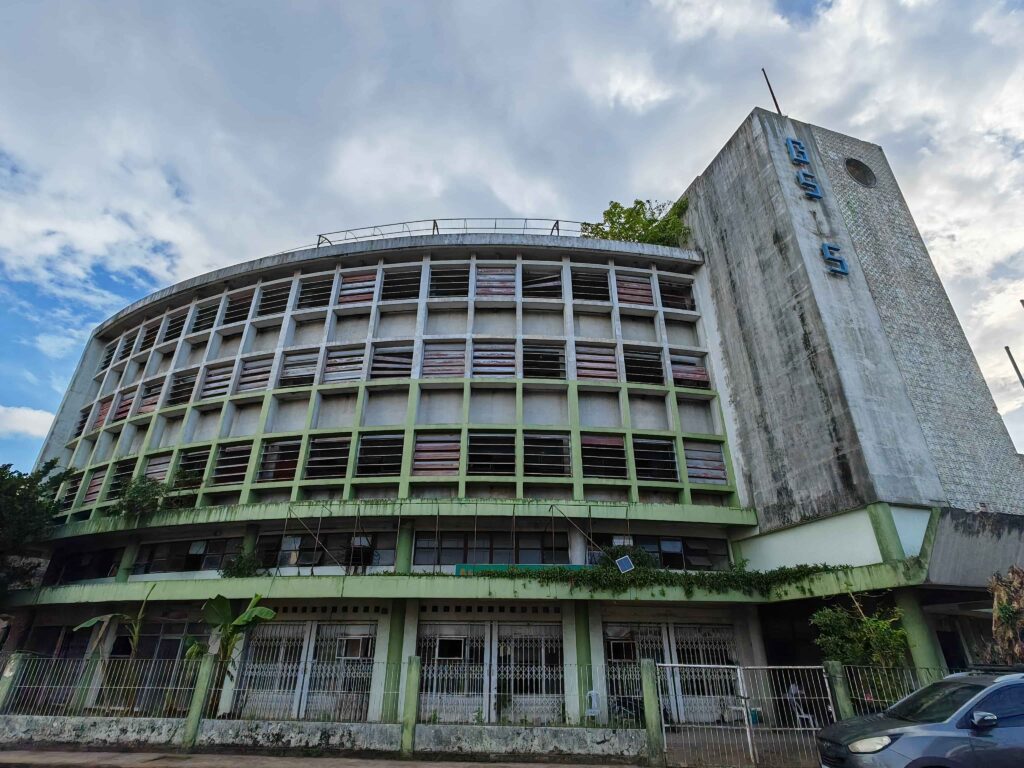
A few old houses like the former Sa Harong (Our House) barbecue joint still stand along the same street, though under a different name. Other structures are in various states of neglect. The Old GSIS Building, a modernist structure built in the 1960s to the ‘70s, lies abandoned after its main office relocated — a waste given its prime location.
In Centro, along Peñafrancia Street, we pass by Quince Martires, a historic landmark dedicated to the 15 Bicol martyrs executed during the Philippine Revolution. Nearby is San Francisco Church, one of the city’s oldest churches. Vendors outside sell putong bagas, a soft, chewy rice cake filled with bukayo (caramelized shredded coconut), perfect for a sweet fix.
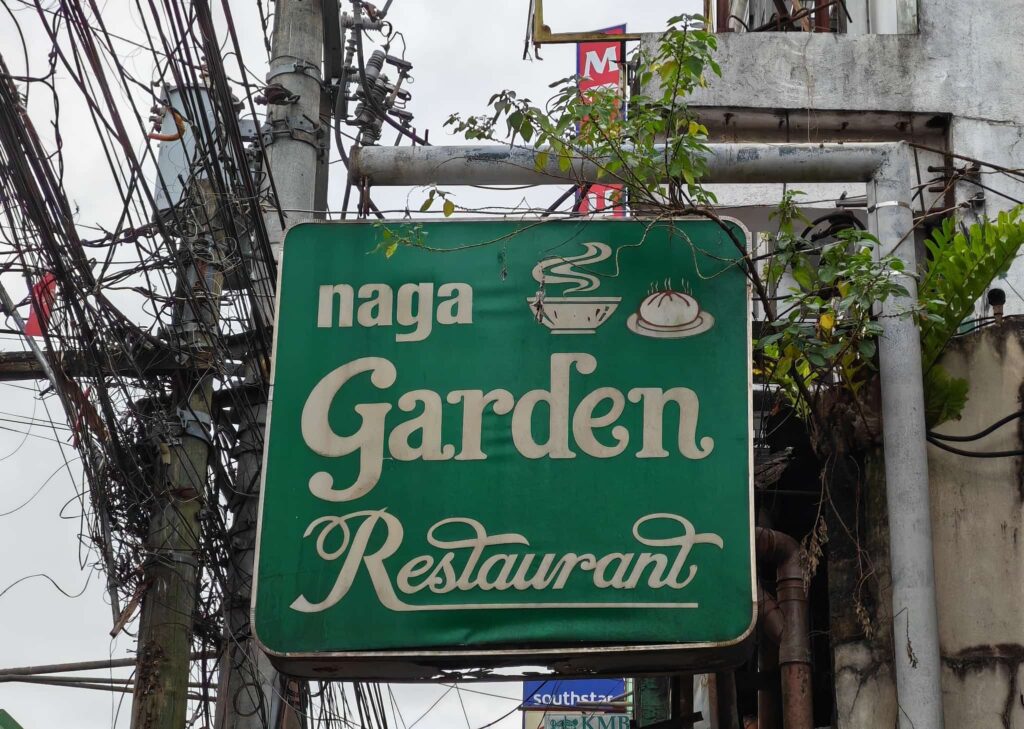
Crown Hotel, one of Bicol’s longest operating hotels, sits across the plaza, while Naga Garden lies around the block. The classic carinderia pioneered toasted siopao, a baked golden-brown bun filled with savory pork asado (or chicken) and a local merienda staple.
Dusty bodegas, old-fashioned bakeries, cobblers, and locksmith kiosks line the road leading to the Naga City People’s Mall, formerly Asia’s largest public market in the 1970s. We stopped to buy raw pili nuts in a shop selling local sweets and abaca products. The second floor is filled with a maze of ukay thrift shops, tailoring stalls, and dry goods. I’m surprised to find secondhand books and magazines stacked ceiling-high in one corner I never noticed before.
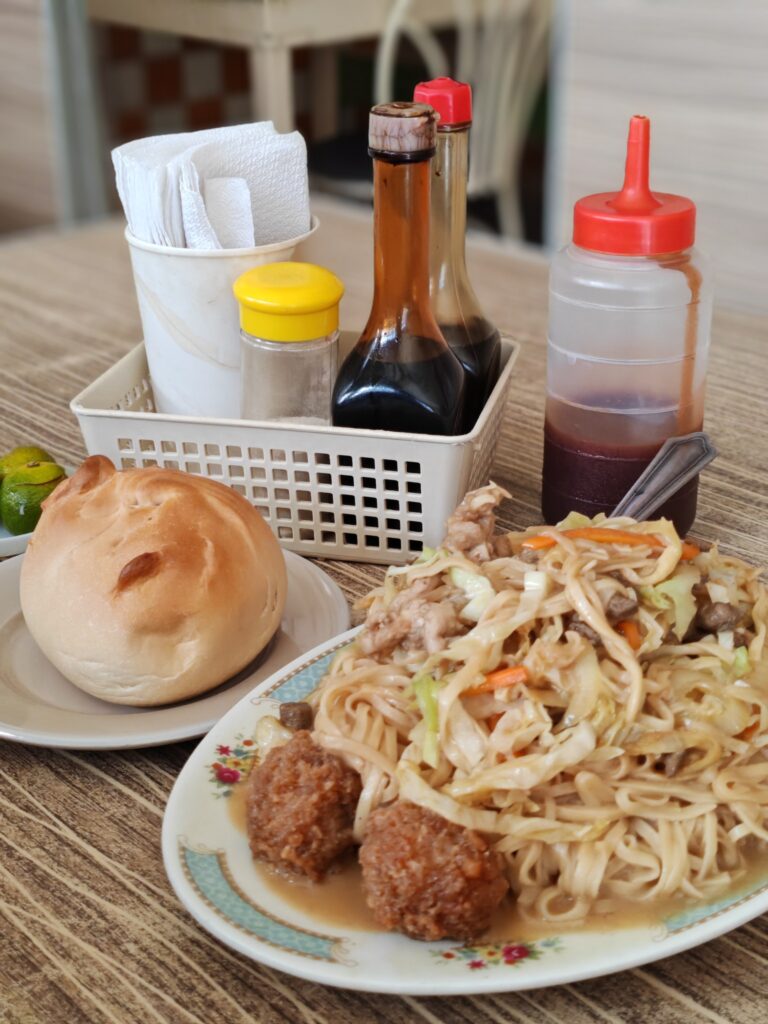
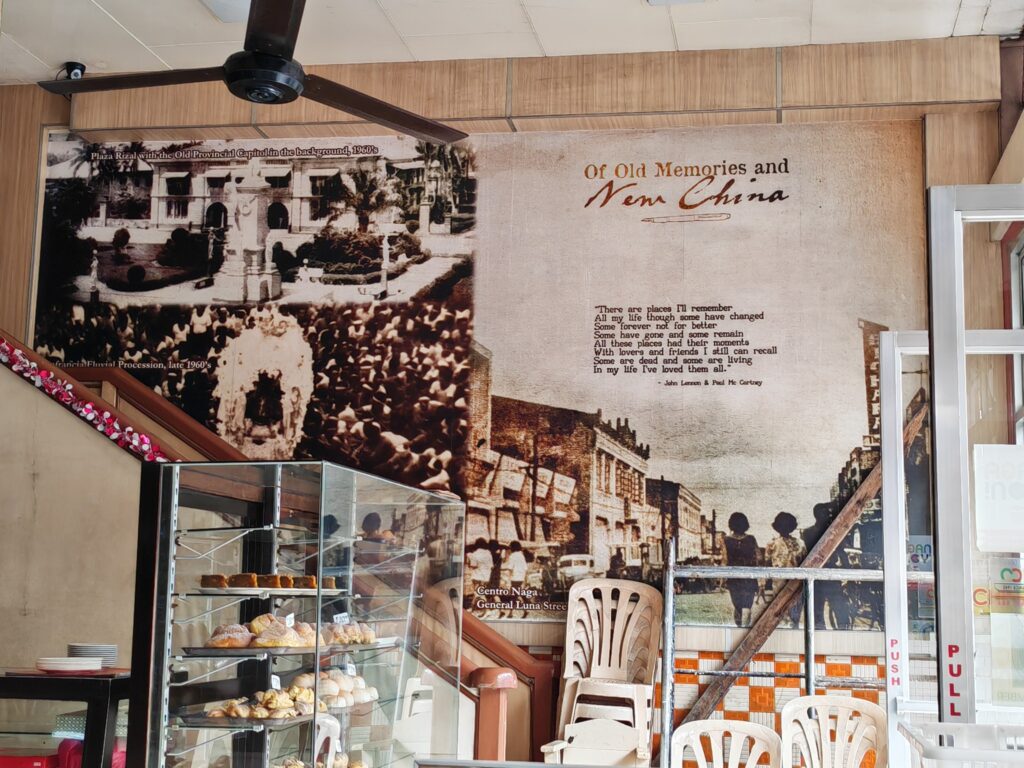
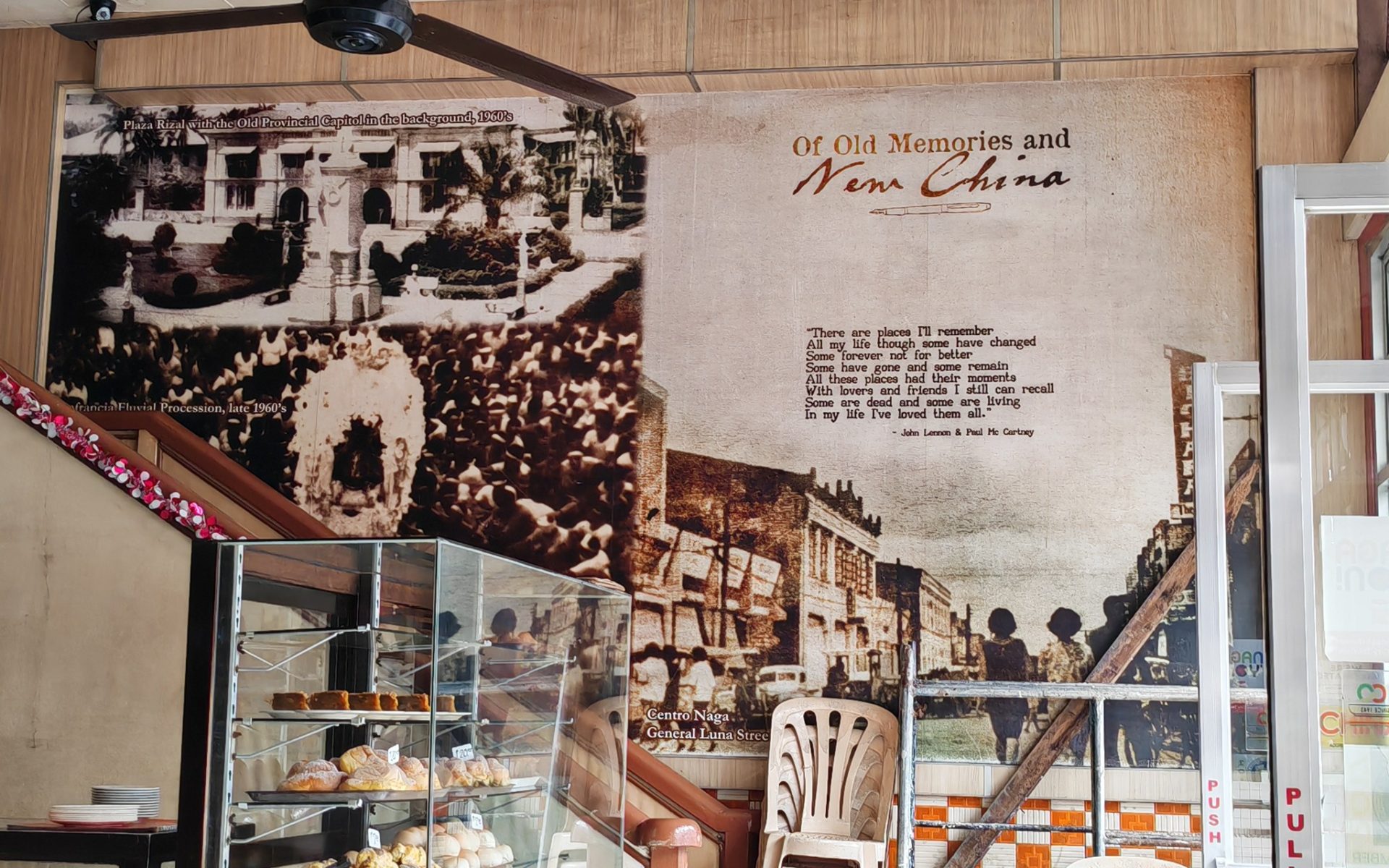
My main agenda was to revisit New China Restaurant, one of Naga’s oldest dining spots. Established in 1943, this no-frills Chinese spot is a favorite among historians and writers. We ordered pancit, which arrived heaping high on a steaming hot plate, and their signature siopao. Sadly, they no longer serve Beehive Cake, which I used to love as a kid. The owner tells us that it’s hard to compete with the new aesthetic cafes and the preferences of younger diners. But they still get a lot of old-timers for pancit, bread, and takeout.
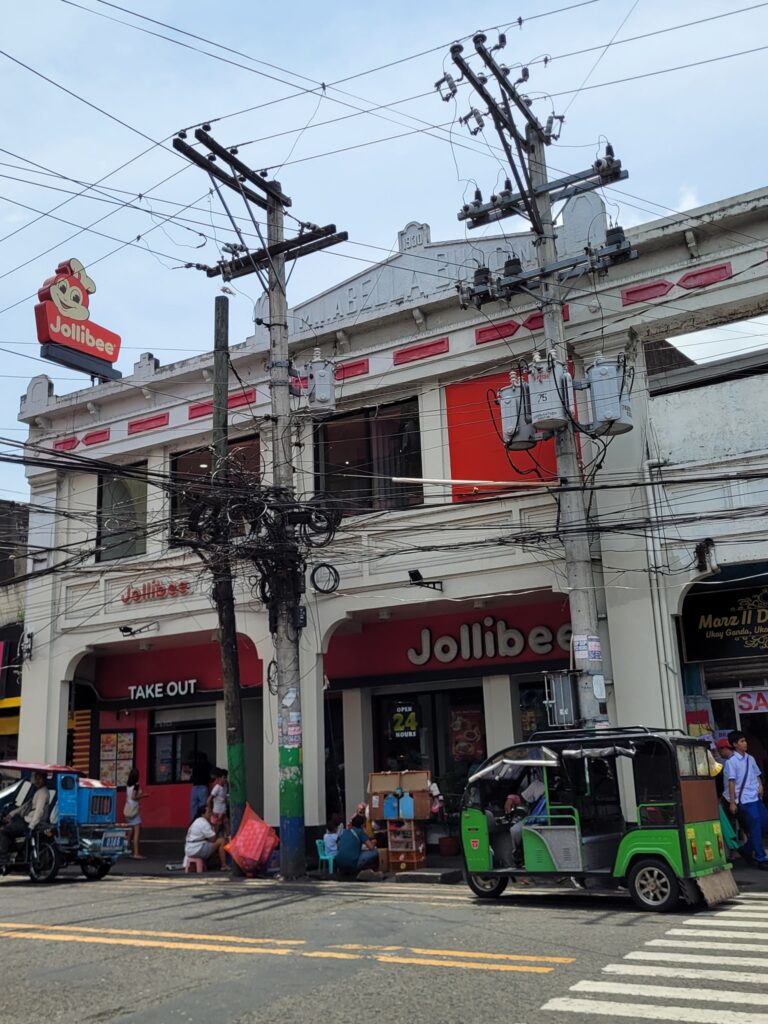
As we walked out, I noticed that the buildings occupied by drugstores and fast-food chains across the street date back to 1929 and 1930. The architectural details of the Socorro-Abella Building andnearby ones are barely noticeable behind the spaghetti wires, but the dates are clear.
Walking toward Plaza Rizal, we pass Bichara Cinema, a movie theater established in 1923 that’s somehow still standing, although its entrance is blocked by lotto and gadget shops. I remember watching double features here back when hand-painted billboards were displayed outside cinemas. There’s been a push to declare the cinema a heritage site, with special documentary, indie, and local film screenings occasionally held here – something I’d love to do on my next visit.
Much needs to be done to revive Naga to its former glory. There’s a sense of history and soulful gems hiding in plain sight behind all the urban blight. I have seen how historic buildings in other cities have been restored after decades of neglect. Heritage sites can be adaptively used and preserved as museums, boutique hotels, restaurants, and artistic hubs. I’m hopeful for Naga’s renaissance.
I may not have found anything new during my downtown stroll, but somehow, I left appreciating the old much more.