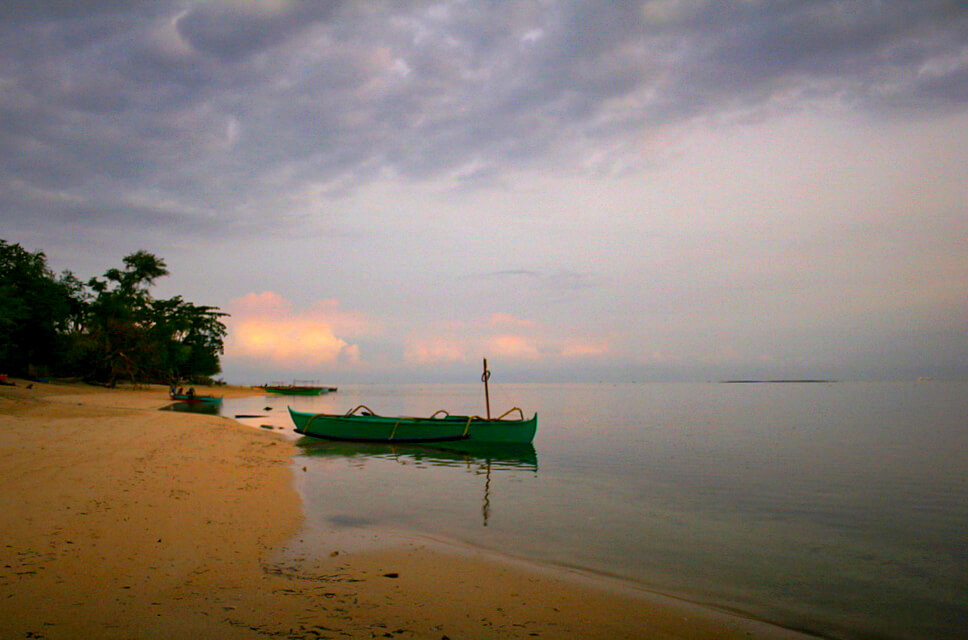


Bulubadiangan, a small island with a strip of white sand in the middle of Concepcion’s waters, northeast of Panay Island, is the kind of place that seems like it was made in jest by the gods. The sandbar appears only when the tide is feeling generous. At noon, it stretches like a sunbathing lizard, but come high tide, it folds itself neatly back into the sea, as if ashamed of its own beauty.
In itself, Bulubadiangan is hardly an island by textbook standards. It’s more like a punctuation mark that the ocean accidentally left behind while editing herself. No manicured groves, no fancy villas, not even a proper running water pipe—just pure escape. The sandbar, naked, lies out like a wedding aisle for the deities of the sea. When the sun is up, the place glimmers in a way that mocks sunscreen commercials: the sky too blue, the water too clear, and the heat too earnest. You could cook tilapia on the sand if you’re patient enough. And when the tide rises, the sandbar vanishes, swallowed whole, leaving you to wonder if it was ever there at all, or if the sea merely dreamed of it for a few hours.
It was April—the cruelest month, if you ask the sun. The kind of summer when the air steams you alive. Still, we endured a three-hour ride in a bus devoid of a spring suspension system. Every bump, every strewn gravel, derails your attempt at a shallow nap.
The town of Concepcion was a typical provincial municipality that thrived in farming and fishing. Near the port is a pocket of market where all you need for dinner could be sourced. It was a repository of native produce like batuan, kamunsil, and kadyos. The market racks do not contain your usual grocery inventory; even the orchestra of vendors yelling over each other is pleasantly absent, so are the flies attending mass above the dried fish and slabs of raw meat. The vendors are like geckos, avoiding any form of movement to conserve energy and make it through the heat of day. I haggled poorly, my friends worse, but we came away triumphant, our haul secured for the one true mission of the trip: cooking KBL by the sea.
KBL, an acronym for “kadyos, baboy, langka,” is the kind of dish that doesn’t just feed you; it forgives you. It’s sour enough to humble the proud, fatty enough to comfort the broken, and slow-cooked in a way that teaches patience better than any Sunday homily.
The boat ride was a lullaby of engine sputters, gasoline fumes, and salt spray. A short doze later, I saw the sandbar like an open arm welcoming our arrival, inviting us to step into its idyllic surrender. When we docked, the island was quiet, too quiet for me to hear my stomach grumble. Our intrusion was announced by the crunching sound of our footsteps and the occasional protest of splashing waves, fighting against the burden of the scorching heat.
A bamboo hut provided refuge. As for me, a hammock strung between two talisay trees became my five-star accommodation. No check-in, no air-conditioning, but a view better than any beachfront resort could afford.
It wasn’t my first time on the island. I was there in 2008, back when Bulubadiangan was practically a secret. No Facebook posts, no drone shots, not even a mention in some obscure travel blog. Just an island so quiet it made you suspicious. I came with a then-stranger who was nursing a heartbreak, one of those quiet, dangerous ones where the person pretends he is fine, but his eyes tell you he’s walking barefoot on broken glass.
The absence of any form of distraction and bottles of tepid beer created moments that will endure memory gaps and forged a friendship that lasted. We laid on the sand in silence until he started asking if silence heals. I didn’t answer. I honestly didn’t know. What I know now, looking back, is that silence rarely heals, though it does let you listen. And on that island, he finally heard his own heart: bruised but still beating, still stubborn enough to hope. The waves didn’t fix him, but they gave him permission to grieve. And maybe that was enough.
Returning years later, hammock swinging, mouth greased with KBL, I realized islands like Bulubadiangan are more than a beach destination. They are punctuations for necessary pauses—those rare, vanishing commas in our otherwise breathless sentences of life. Like the sandbar itself, they remind us that beauty is not meant to last forever, but only long enough for us to notice its fleeting presence.
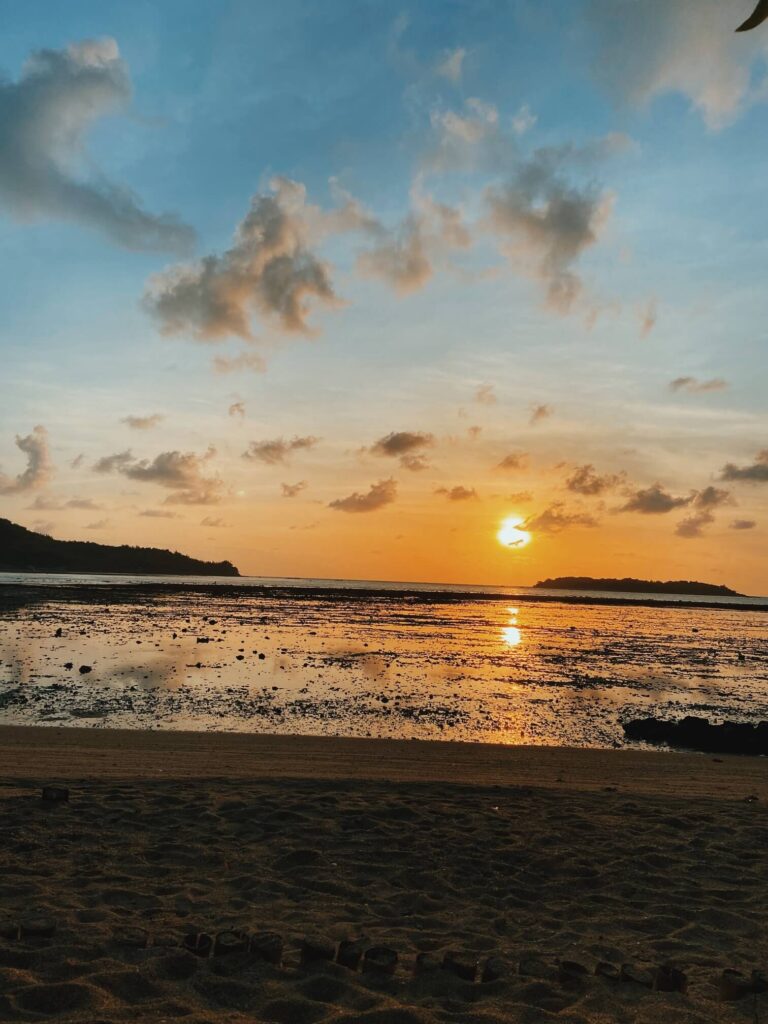
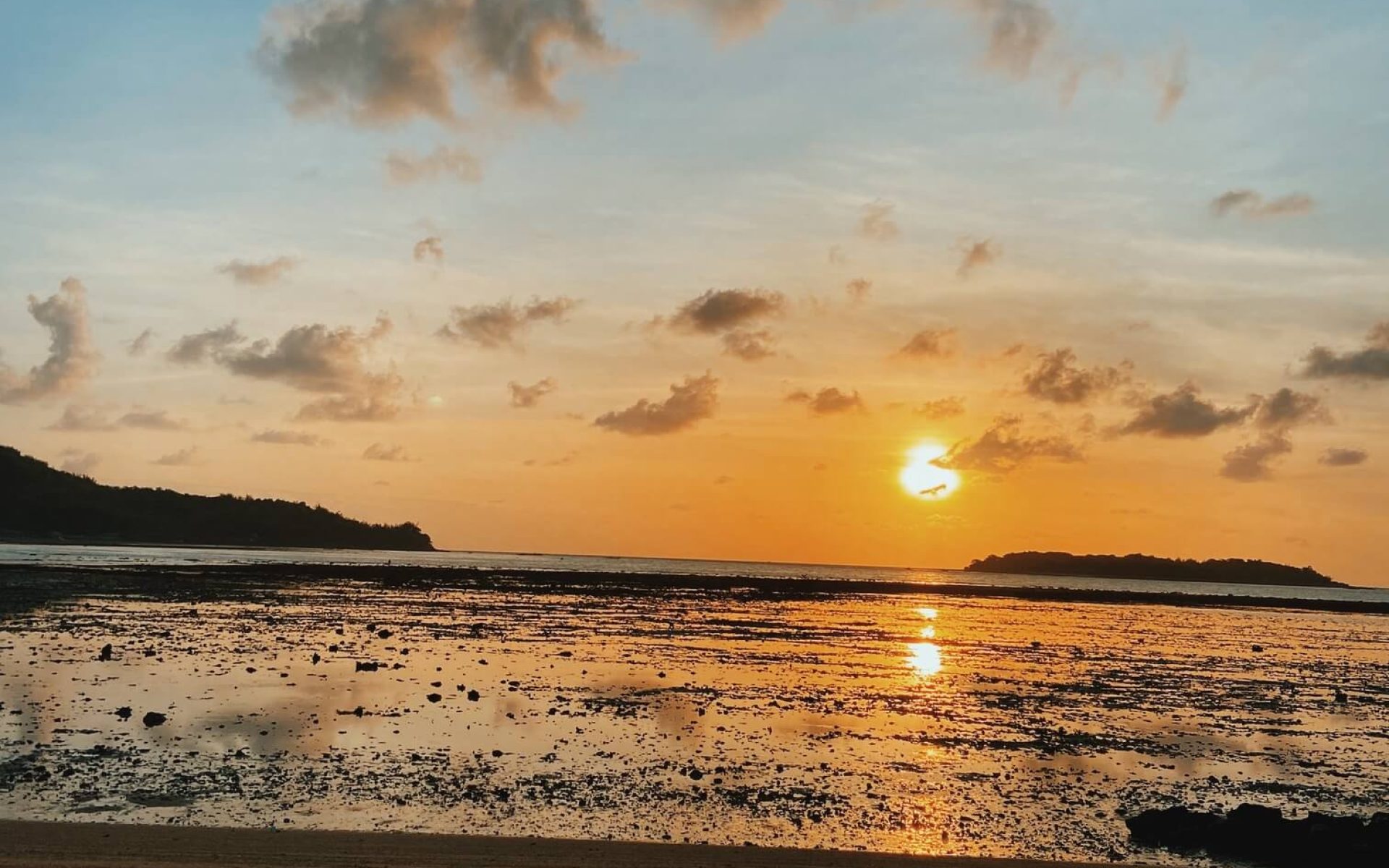
From my hammock, I watched the sun melt into the water, painting the horizon in shades of orange sherbet. Then at dawn, the sea unwrapped another masterpiece, as if the world was determined to show me that new beginnings could be as beautiful as poetic endings.
The sea will reclaim a part of Bulubadiangan, as it always does. But for the hours we were there, it was ours. Ours to sit with, ours to watch the day collapse into night, ours to listen again to the whispers of our hearts.