

As a frequent visitor to Cebu City, I have been passing through a major road which intersects the thoroughfares of this urban center in Central Visayas. The road is General Arcadio Maxilom Avenue—formerly or more popularly known as Mango Avenue—which cuts across a long stretch around the iconic Fuente Osmeña rotunda.
Unfortunately, for many locals, the name still doesn’t ring a bell despite the man’s immense contribution to Cebu’s checkered history during the Philippine Revolution.
The history geek in me led to an internet search of his life, and how worthy he must have been to replace the name of the province’s popular tropical fruit.
Tan Cadio, as he is fondly called, hails from the seemingly obscure town of Tuburan, two hours northwest of the city. Born on November 13, 1862, he grew up to be a school teacher in his hometown and held many public positions before becoming the municipal mayor in 1892.
He later initiated the local chapter of the Katipunan secret revolutionary movement under the command of the flamboyant Negrense General Pantaleon “Leon Kilat” Villegas.
After the latter’s murder in 1898 in Carcar by fellow Cebuanos, Maxilom took the reins of the Revolution against Spain and was briefly named the provincial governor after driving away the colonizers.
He carried on the fight against the United States, but had to capitulate in late 1901 after years of fierce resistance versus the far superior new colonial power.
After a long bout with paralysis, Maxilom passed away on August 10, 1924 in his hometown. His funeral cortège, which was joined by revolutionary figures including General Emilio Aguinaldo, stretched some four kilometers and still stands as the longest in provincial history.
A Curious Quest That Led to a Real-Life Celebration
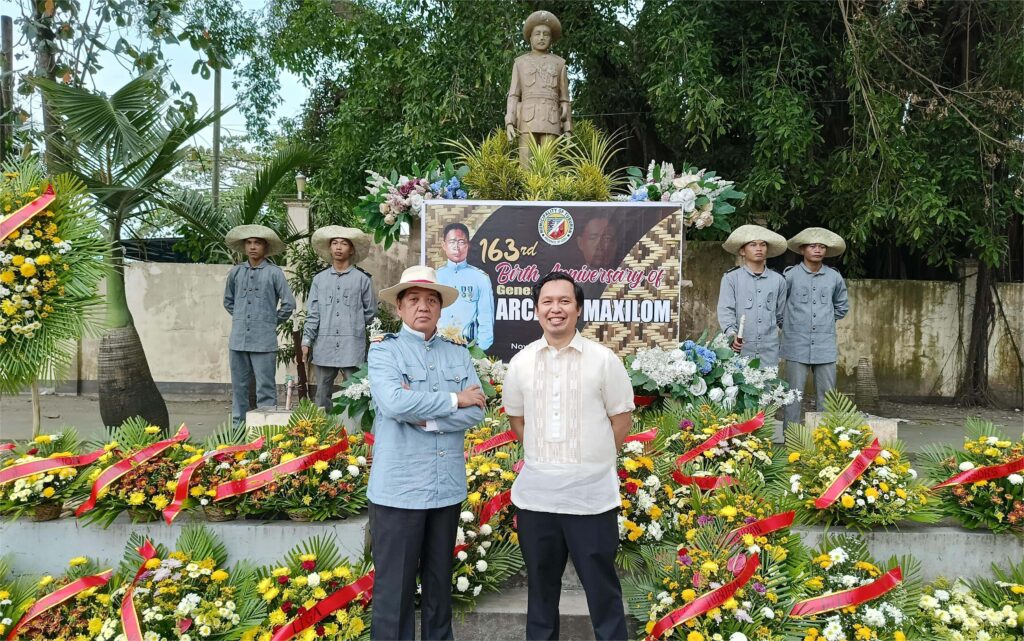
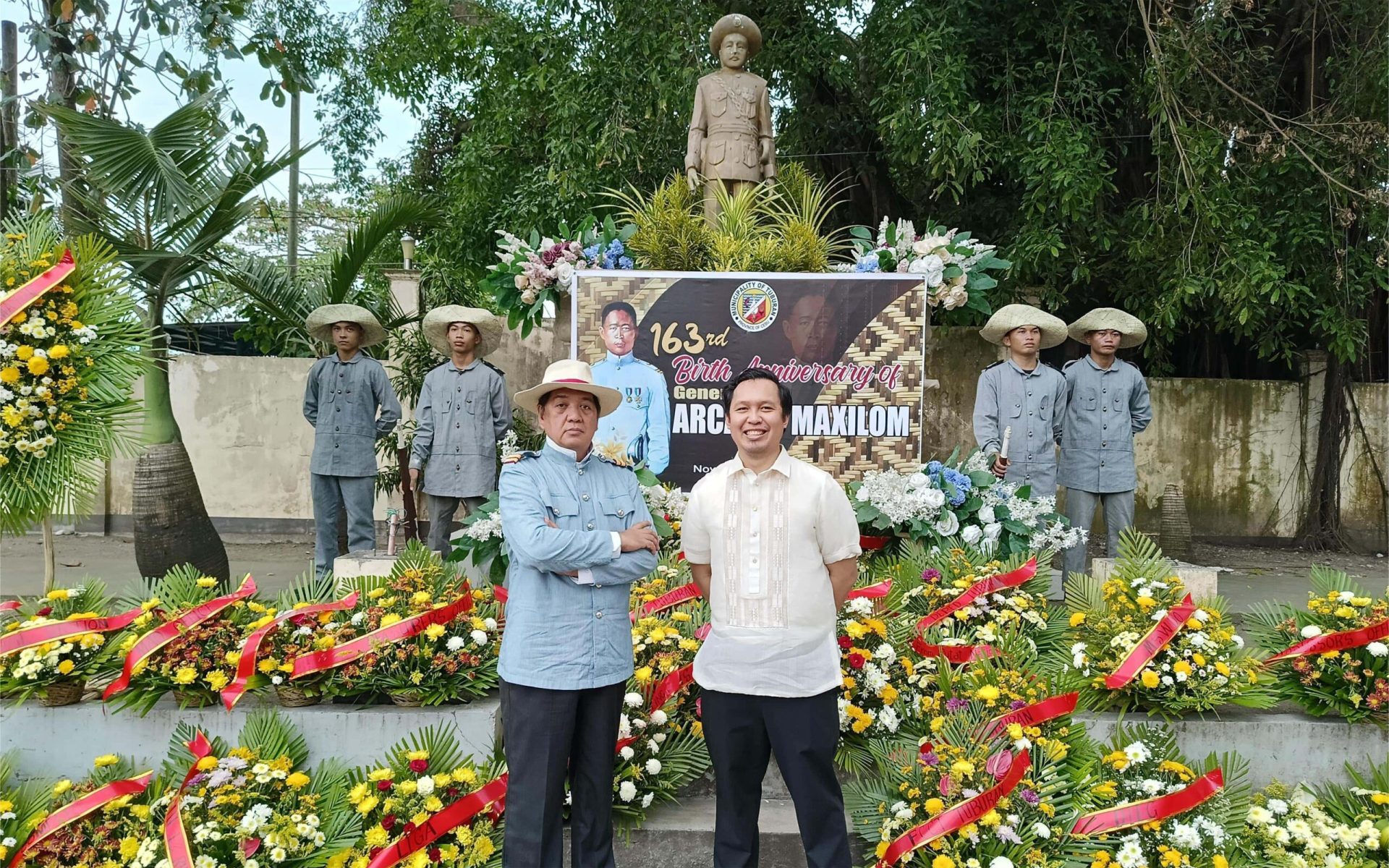
Early this year, I crossed paths in Mindanao with then-Tuburan Mayor Democrito Diamante. We talked about a potential visit to the hero’s hometown. That serendipitous discussion came into fruition this November, not just as a touristic trip, but a historically significant visit to be the guest speaker at the general’s 163rd birth anniversary observance, which nearly got battered due to the successive natural calamities that hit Cebu.
While the event is an annual thing, this year’s edition was somewhat special due to the use of the 19th-century rayadillo uniforms of Maxilom and the Filipino Republican Army soldiers, which I and the honor guards donned.
According to Diamante, who now acts as consultant for the municipal tourism office, the event is a reminder of Maxilom’s legacy, which brings a sense of pride and inspiration to the people of Tuburan and Cebu.
He intimated plans for a more extensive study on Maxilom’s biography and other lesser-known personalities of the Revolution and the Second World War, and the redevelopment of a Heroes Park and a museum at the old municipal hall as an ode to homegrown heroes.
The commemorative program was capped by a floral offering at Maxilom’s monument at the public plaza (led by yours truly, as a historical impressionist of the general), with government officials and employees, uniformed service personnel, barangay officials, academic and business community, and civil society groups in attendance.
Beyond Maxilom: Tuburan’s Tourism Emerging Spots
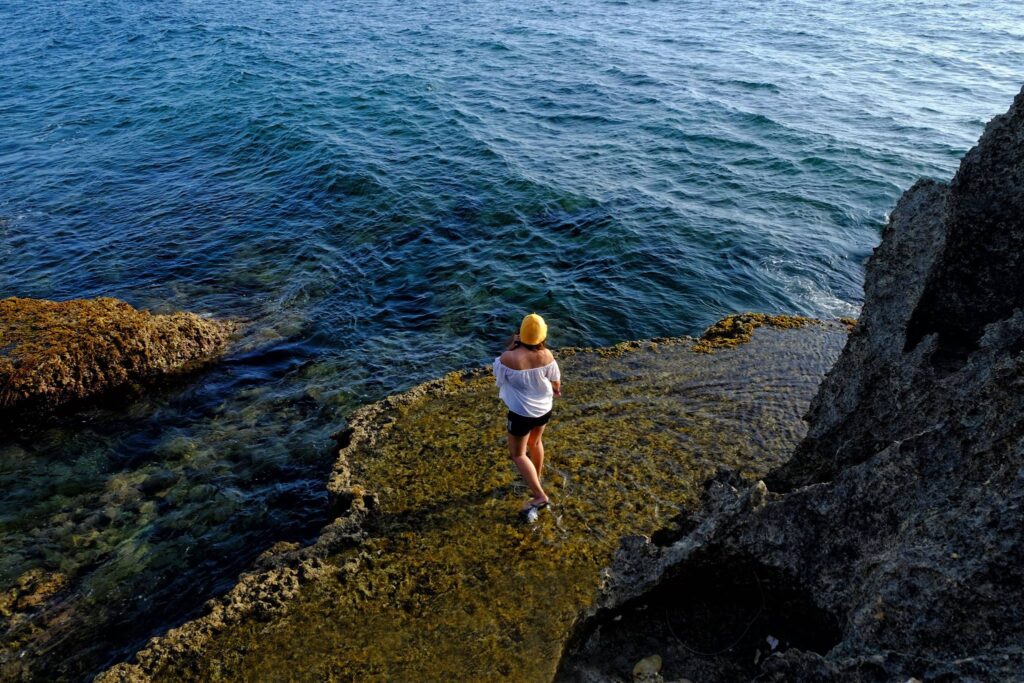
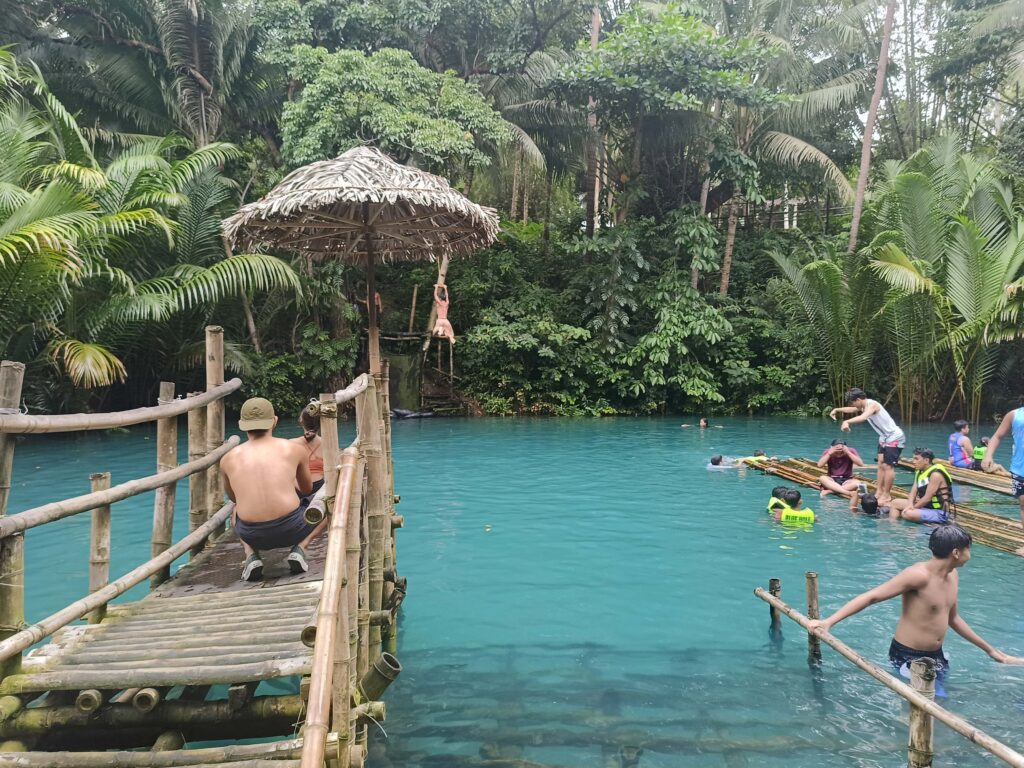
Beyond Maxilom’s legendary exploits, the town he put in the limelight is poised to be the next tourism hotspot with its diverse natural features and manmade hideaways. Tuburan, which originated from the Visayan word “tubod” or spring, takes pride in its series of natural springs that abound around the town’s nooks and crannies, the most popular of which is the Blue Hole. The springs are supplemented by a pristine river system, rugged mountain cliffs, century-old Avatar-like hardwood trees, and an enviable vast coastline of powdery beaches.
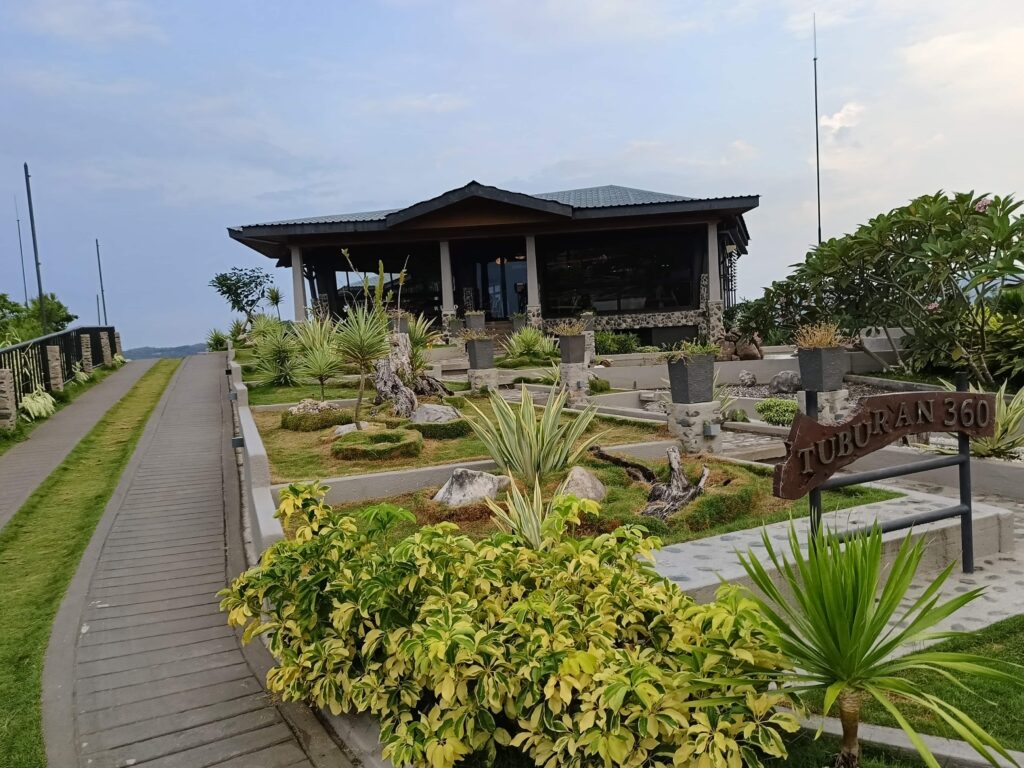
A must-see is Tuburan 360, a classy mountain resort and restaurant offering an unhampered 360-degree view of the terrain and the biodiversity-rich Tañon Strait on the horizon.
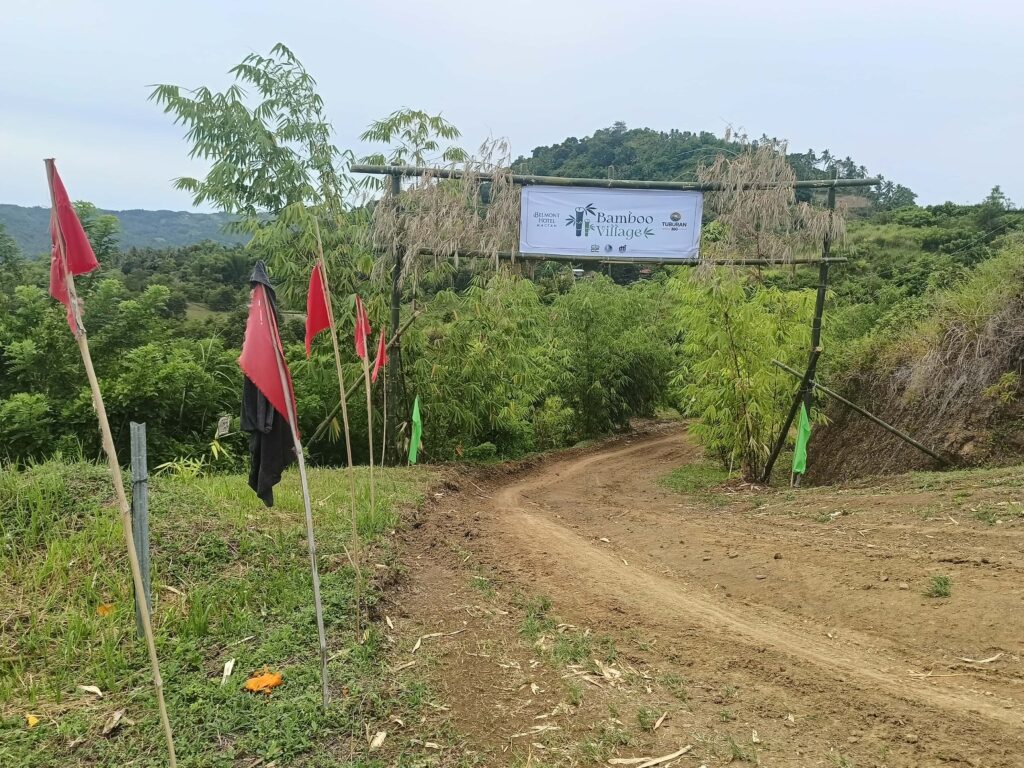
It also boasts of a vibrant upland coffee farming industry and export-quality bamboo gardens, both providing alternative livelihood and economic activities to the locals.
With the confluence of culture, adventure, nature, and exciting stories in between, Tuburan may indeed live up to its moniker of being the “spring of success”.