

2A. The Geography of Protection: A Mother’s Vigil
Words by Nine Andres.
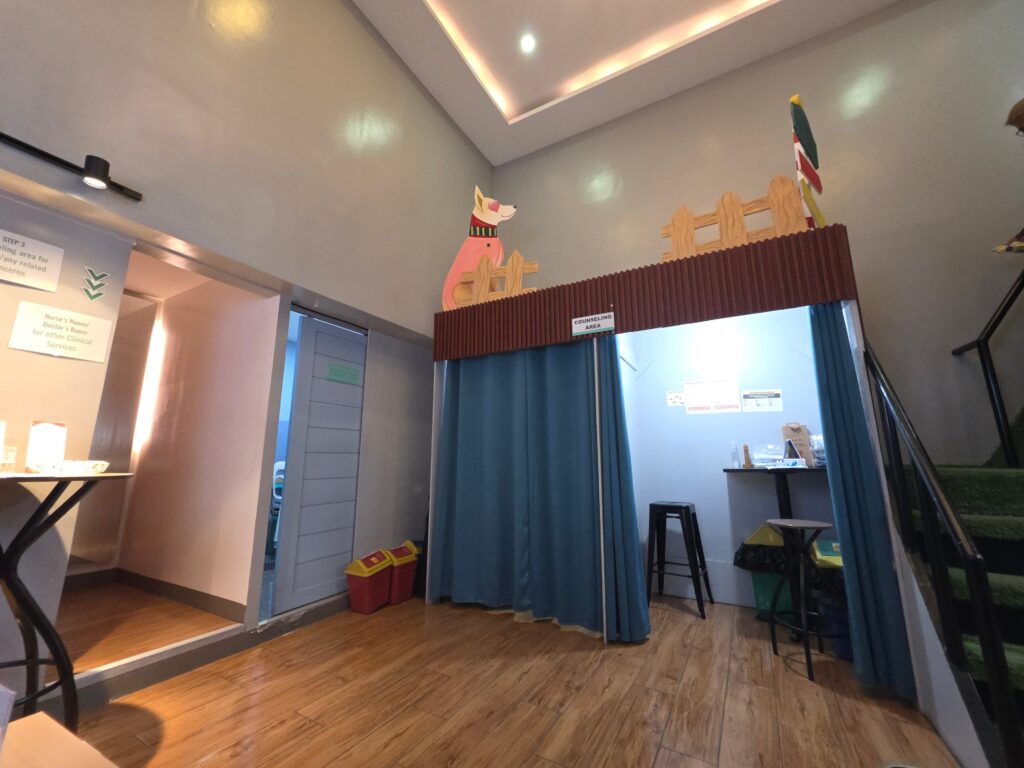
February in Davao brings a specific kind of humidity. It is a heaviness that clings to the nape like a second skin, distinct from the dry, dusty heat of April. On Valentine’s Day, this air is usually perfumed with the sickly-sweet scent of wilting roses sold outside San Pedro Cathedral. It carries the exhaust fumes of jeepneys and the sugary tang of cheap chocolates melting in traffic. But here, inside the Jefferyi Clinic, the air smells only of antiseptic. It smells of waiting.
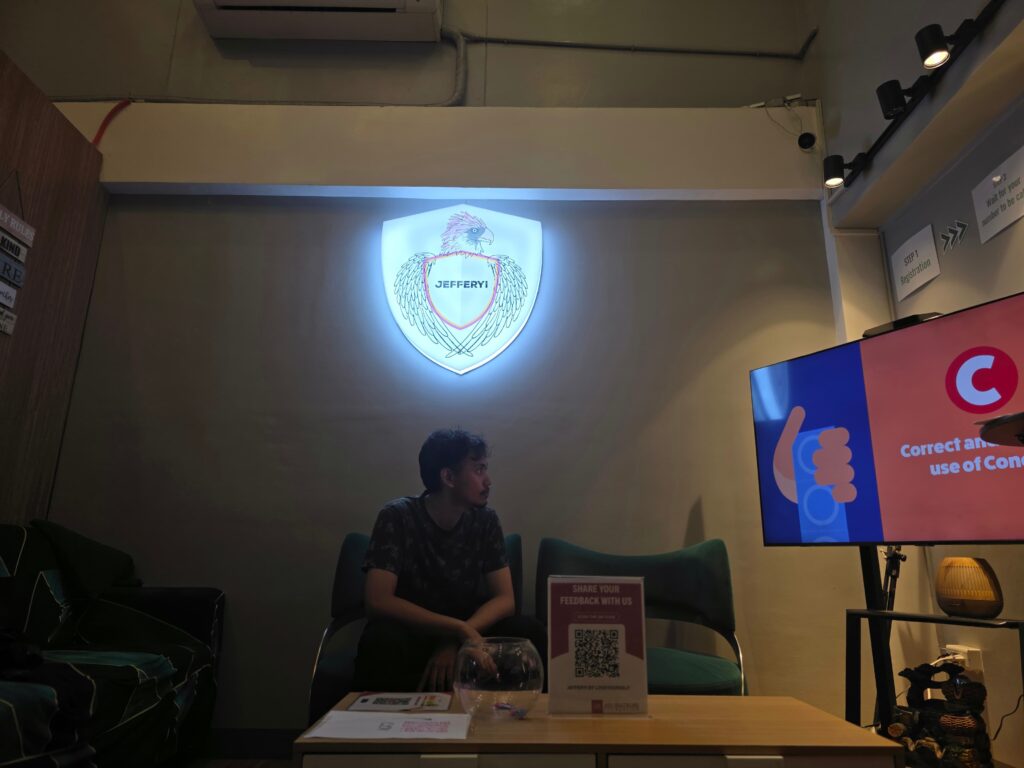
I am sitting on a cushioned couch beside my son, Yves. He is not hiding behind a screen or fidgeting with a device. He sits with his hands clasped loosely on his lap. His posture is upright. He possesses a stillness learned not from gadgets but from years of observing a world that often refuses to look him in the eye. We are not here for heart-shaped balloons. We are here for his sexual health screening.
To many, my presence here is an anomaly.
In the script of traditional Filipino motherhood, I am supposed to be the gatekeeper of purity. I am expected to cover my eyes and ears to the realities of my son’s desires. I am supposed to pray the gay away or at the very least, pretend that his nights out are merely barkada gatherings devoid of intimacy
But silence is not a shield. It is a vector. Silence is how viruses thrive. Silence is how shame metastasizes into something fatal.
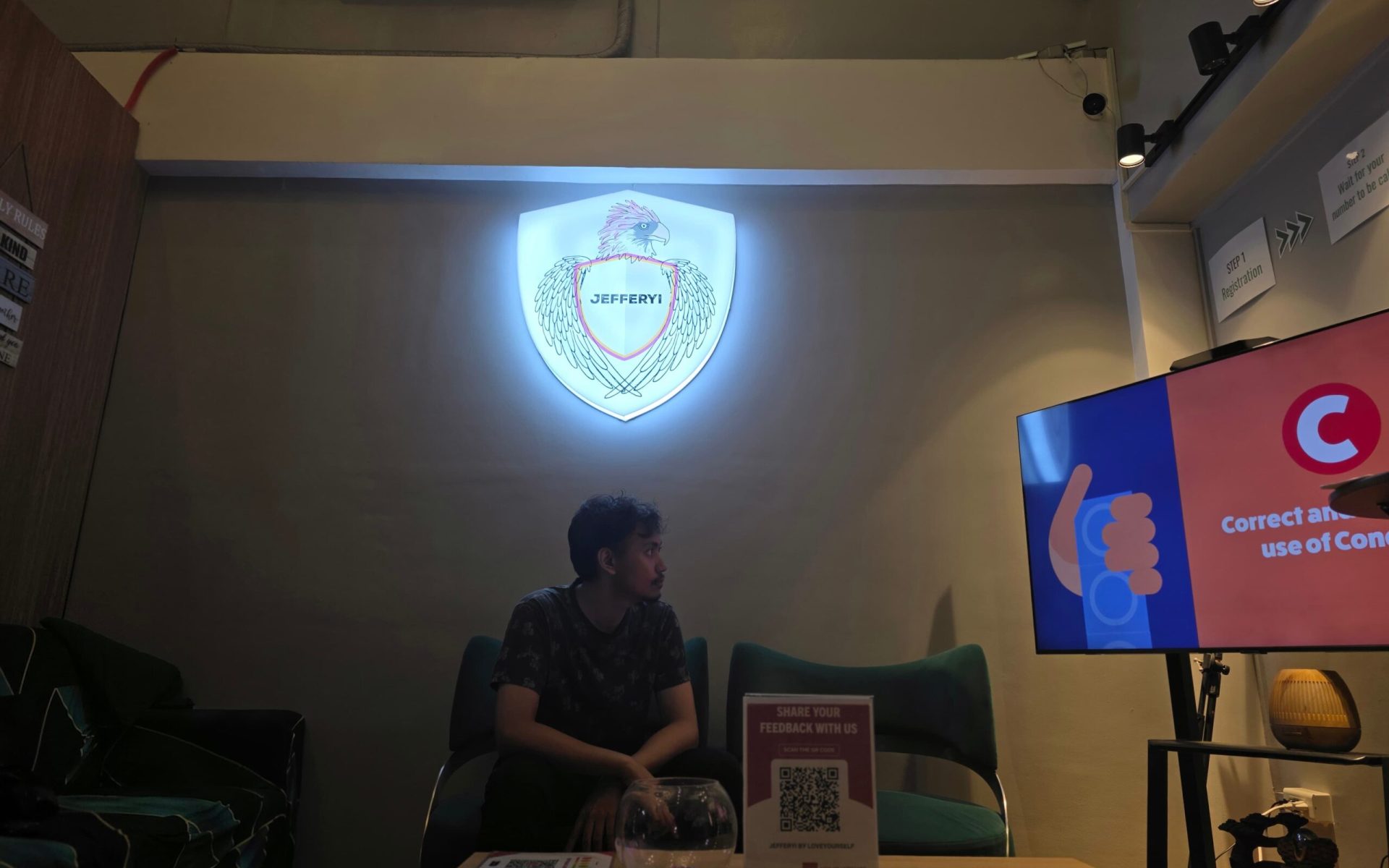
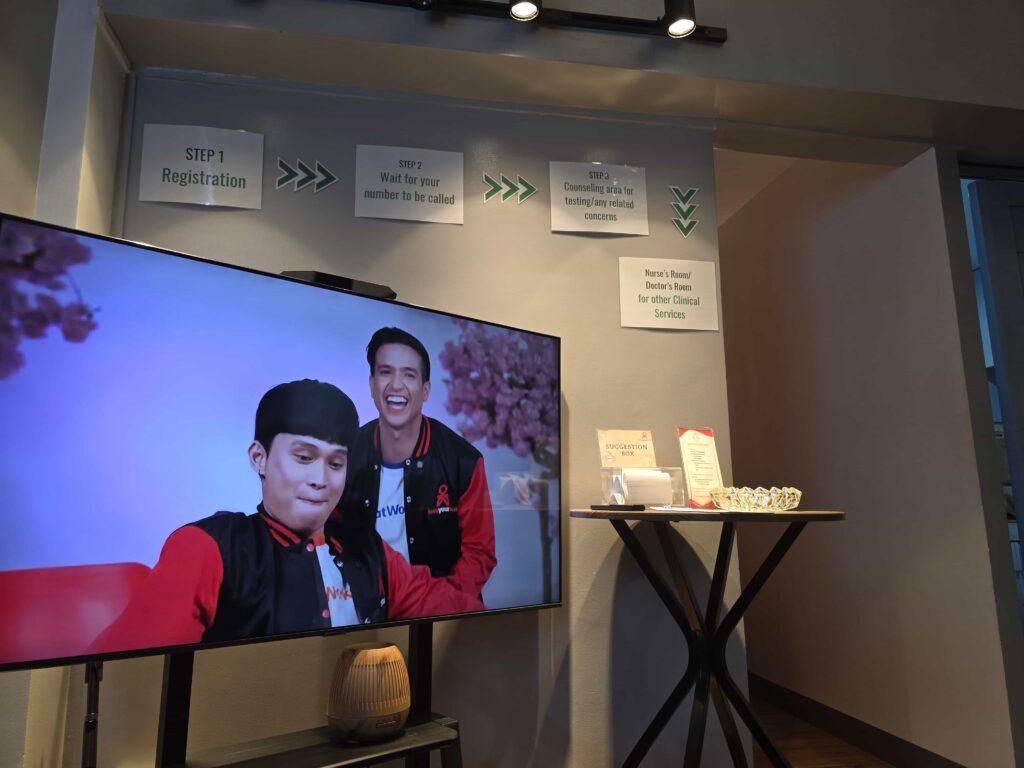
I look at the poster on the wall. It is a stylized image of the Philippine Eagle, the Pithecophaga jefferyi – the clinic’s namesake. The apex predator. A creature that watches. In the wild, protection is violent. It is talons and beak. Here, in the geography of my son’s queer life, protection is bureaucratic. It is filling out forms that ask intimate questions regarding partners and protection methods. It is waiting for a number to be called.
When the nurse calls his name, she pauses. Her eyes flick to me. She expects me to stay behind. She expects the “privacy” that is actually a code for “shame.”
I stand up with him. “Dalawa kami,” I say. There are two of us.
I do not go into the exam room since he needs his agency and his own space to breathe. But I walk him to the door. I am the visible demarcation line. My presence in this lobby tells the other young men, some hiding behind caps and masks, that they are not dirty. That if a mother can sit here, legs crossed, reading a magazine while her son gets tested for HIV, then the act itself is not a sin. It is hygiene. It is maintenance. It is an act of self-respect.
We often mistake protection for prohibition. We tell our children “don’t” until they stop listening. However, the radical act is to say “how.” How do you stay safe? How do you love this body I birthed?
Yves looks back at me before he enters. There is a quietness in him. It is a reserve that belongs entirely to him, forged in the years when it was just the two of us against the tide. It is the stillness of a boy who learned early on that he had to be his own anchor. Today, I see the steel underneath. He is inheriting the courage to be examined, to be known.
This is my Valentine to him. Not a trinket. It is the assurance that when he walks out into the complex, often unforgiving map of Davao’s queer landscape, he does not walk alone. He carries my vigilance in his pocket like a talisman.
The door closes. I sit back down. The air conditioner hums while battling the Davao City heat. I wait for my son, not with anxiety, but with the fierce, quiet certainty of a mother who knows that the greatest love story isn’t about romance. It is about keeping each other alive.
2B. The Anatomy of Courage: Finding My Voice in My Mother’s Silence
Words by Yves A.
The door to the examination room is thin. Yet it is heavy enough to separate two worlds. Outside, my mother sits on a cushioned couch. She is a sentry in a black blouse. Inside, I am asked to strip down. Not just my clothes, but the layers of hesitation I have built up over years of navigating a country where “progress” often feels like a rumor from the north.
My mother thinks she is just waiting. She does not realize that her presence outside allows me to speak inside.
In most government offices or public hospitals in the Philippines, you are reduced to a queue number. You become a statistic in a logbook. Your identity is flattened into a waiting time. It is a dehumanizing geography. But the Jefferyi Clinic is different, and perhaps that is why my mother fits here so well. When I walked in, they didn’t assign me a number. They gave me a code. It is a personalized identity that protects my confidentiality while acknowledging my humanity. It is a small dignity, but in the queer experience, dignity is the currency we are most often denied.
The clinician does not just look at my chart. He looks at me. He asks about my mental well-being with the same casual gravity as he asks about my physical symptoms. He talks about PreP not as a punishment for my lifestyle, but as a vitamin for my future. It is a personalization of care that feels radical.
I think of my mother’s favorite saying, which she whispered before we left the house. It is better to know it and not need it than to need it and not know it.
That is the inheritance she passes down. It is not money or land. It is the refusal to be ignorant about one’s own survival. When parents refuse to delve into their children’s sex lives, they think they are preserving innocence. In reality, they are dismantling safety. My mother’s curiosity empowers me. Her willingness to ask the “simple” and “obvious” questions to the doctors allows me to do the same. Because she is not afraid of the answers, I am not afraid of the questions.
We live in a time where queerness is visible, yes, but visibility is not the same as safety. The Philippines is a paradox of tolerance and conservatism. To tackle these outdated systems alone is daunting. The weight of it can crush you. But looking at the empty chair beside the clinician, knowing my mother is just past the threshold, the weight distributes.
This is how we reshape the Filipino family. We move past the idea that “family” means agreeing on everything or hiding the parts of ourselves that are inconvenient. True resilience is that distinct Filipino trait we pride ourselves on. But it is not about enduring silence. It is about the courage to show up in spaces that were not designed for us and making them our own.
I swallow the pill. I answer the questions. I am not a number. I am a son who is loved enough to be protected and protected enough to be free.
When I open the door and step back out into the humidity of the waiting room, I don’t need to look for her. I know exactly where she is.