

It’s been ages since I last wandered alone. I thought solitude would bring some kind of poetic revelation, like bumping into an old lover in a train station or hearing a forgotten song that suddenly rearranges the furniture of your soul. Instead, what I found was less cinematic but strangely more profound: a quiet kind of clarity. The sort that arrives unannounced and catches you off guard while you’re in your boxers and can only offer a 3-in-1 coffee.
I was in Panglao, Bohol, a place I used to associate with sunburns, cheap rum, and the kind of youthful optimism that made you think you could live forever on grilled liempo and drunken promises. Back then, every trip felt like a montage waiting to happen. This time, I was anticipating the island to shock me with how much it had changed over the years.
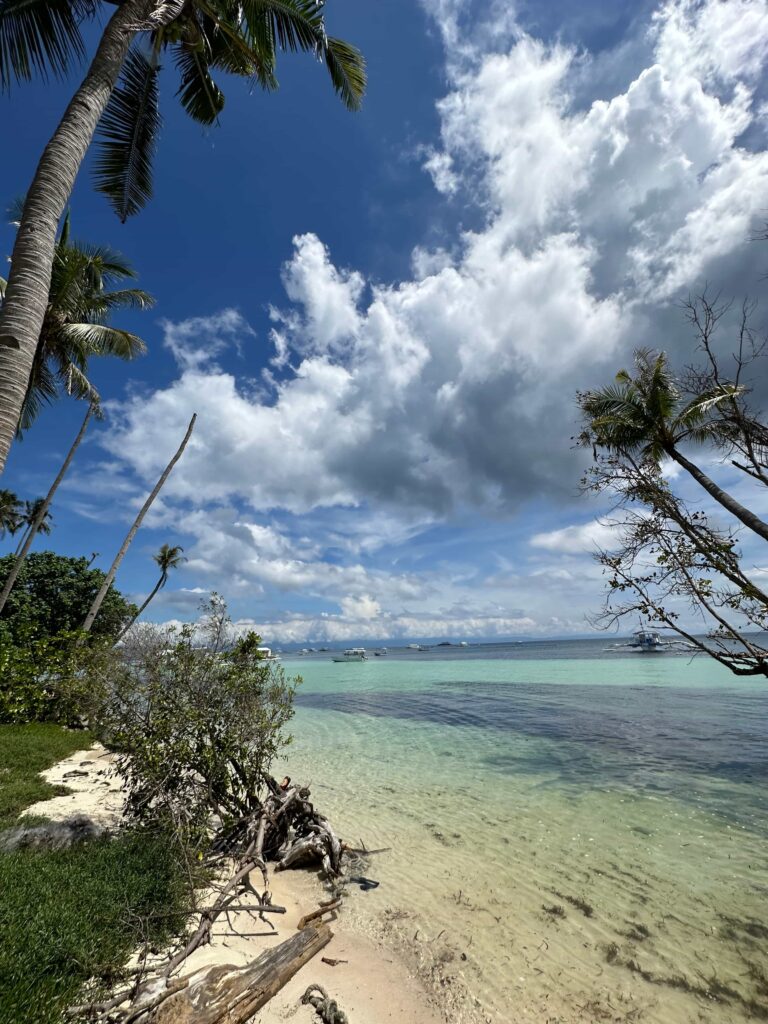
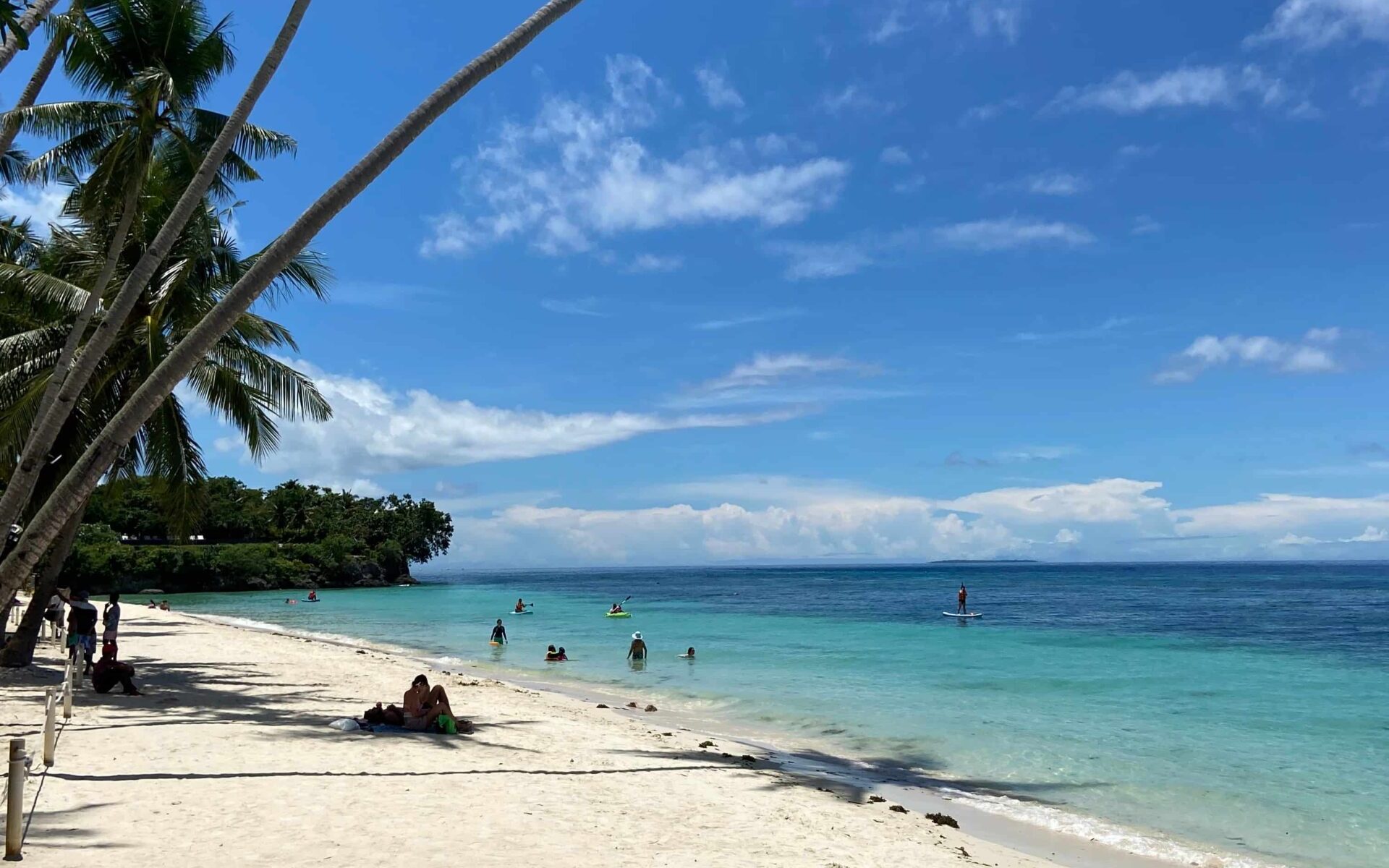
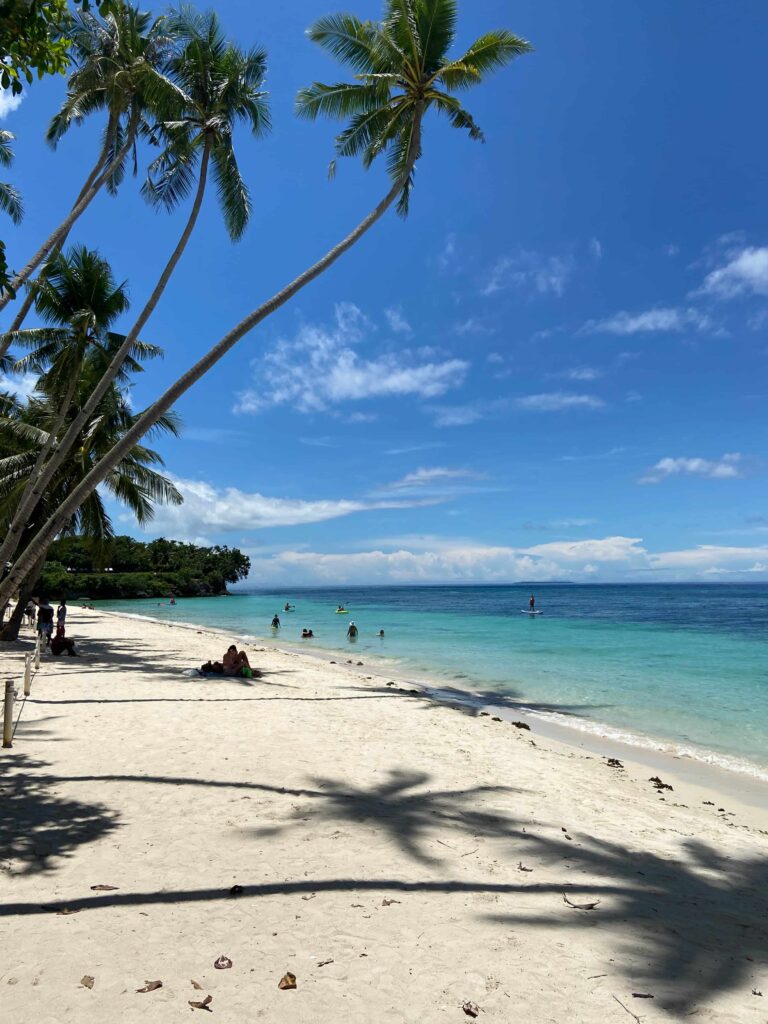
But what unfolded surprised me. The energy was different. The motorbike rides felt slower, the music from the beach bars less urgent, and the sea—still impossibly blue—seemed to dance to a softer tune. Even Alona Beach, usually bursting with tourists and itinerant vendors selling pearls, looked like it finally had a chance to exhale. At one point, I asked a local tricycle driver where the best place to eat was. He looked at me, thought for a moment, and with all the confidence of a man holding the island’s culinary secret, said, “Sir, Jollibee po, sa kanto ng Alona.”
For a second, I thought he was joking. But he meant it, and spoke with such conviction that I briefly considered canceling my countryside tour plans and staying for a Chickenjoy lunch. Maybe he was right. After all, in a world that keeps changing, there’s something oddly comforting about knowing that Jollibee will always taste exactly the same.
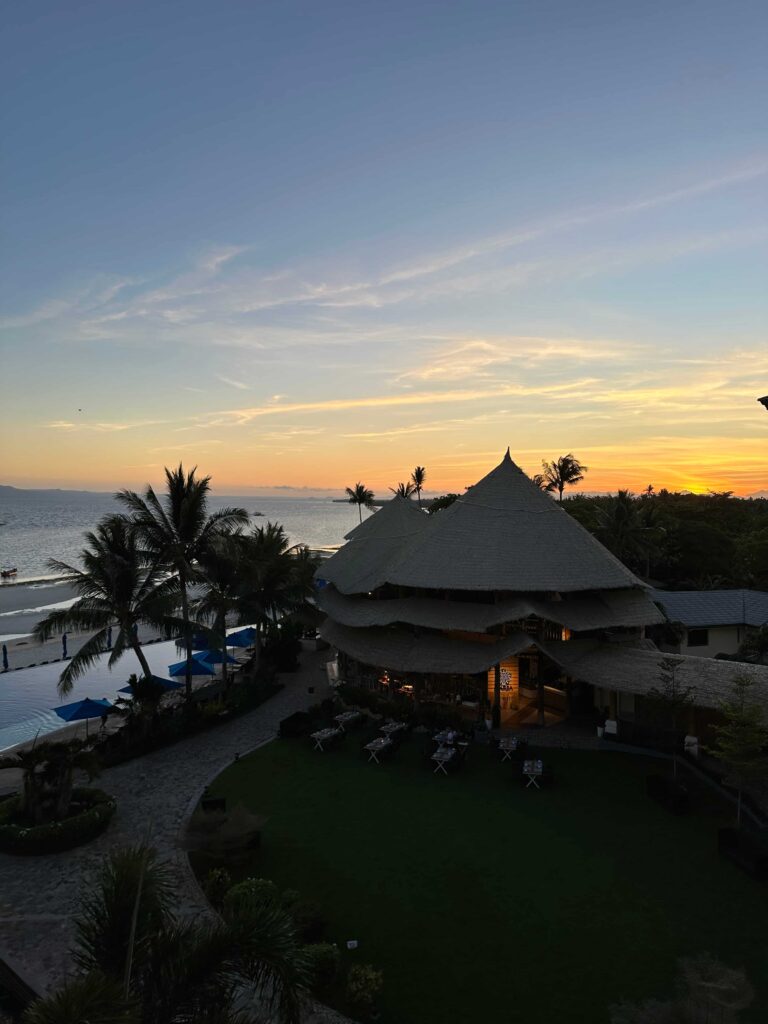
Later that afternoon, I found myself at an old resort along Dumaluan Beach, the kind of place that still plays Bonnie Bailey tracks without irony. I used to sit there years ago, broke and dehydrated, trying to look deep while writing in a notebook I never finished. It felt strange returning to a scene that hadn’t changed, except now I was on the other side of the demographic divide: older, sunblocked, moisturized, and finally able to afford the drinks I used to only photograph for free.
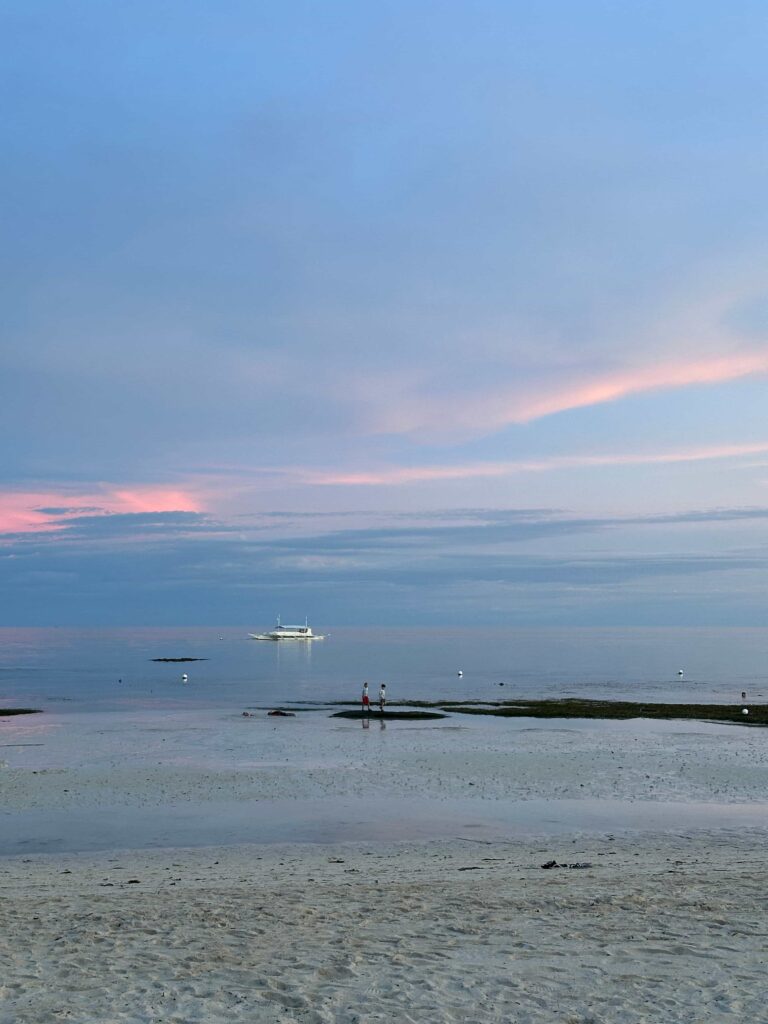
The bartender, who might’ve been a toddler the last time I came here, had a man bun and a tattoo of a wave curling around his forearm. I wasn’t surprised when my Long Island arrived with a pretentious dried orange slice. A bit of an afterthought, but a thought nonetheless.
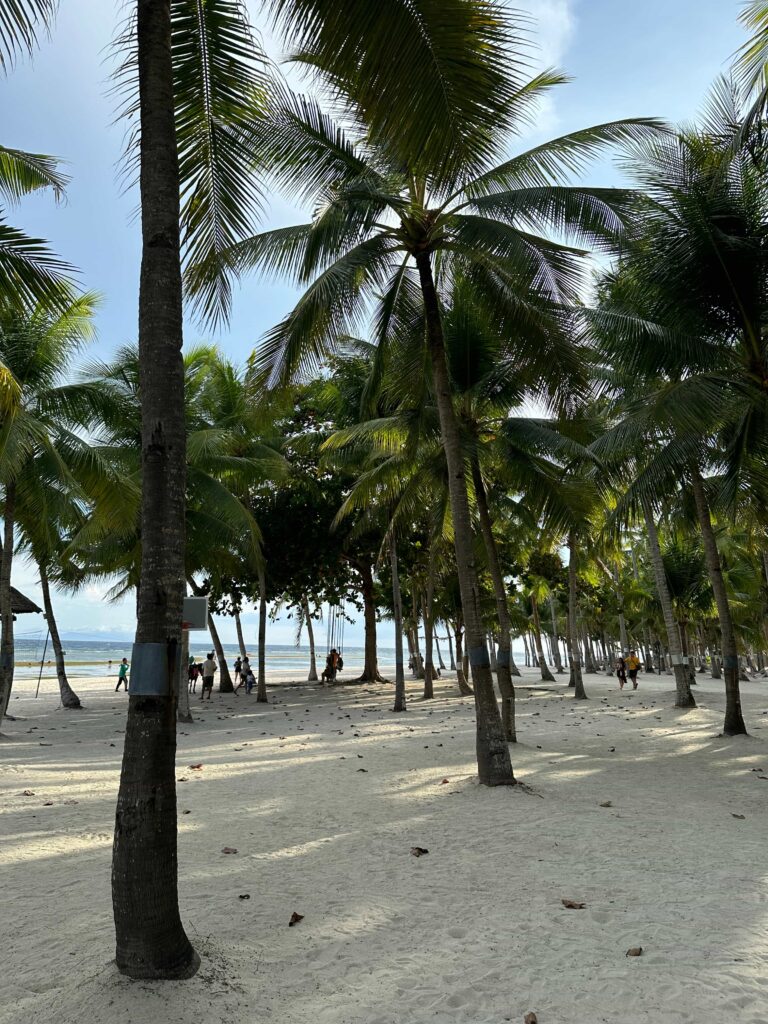
As I stared at the expanse of the sea, with Cebu blurred by the ocean haze, I realized it wasn’t Panglao that had changed; it was my lens. The coconut trees were still performing their lazy sway, the stray dogs still owned the coast, and the same salty wind still tangled itself in people’s hair. Panglao, true to its naturally festive spirit even in its leanest season, banderitas and all, remained unapologetically itself. I was seeing it through a different window now, one smudged by years, mistakes, and small miracles. The view was wounded yet healed. A little blurred, but visible all the same.
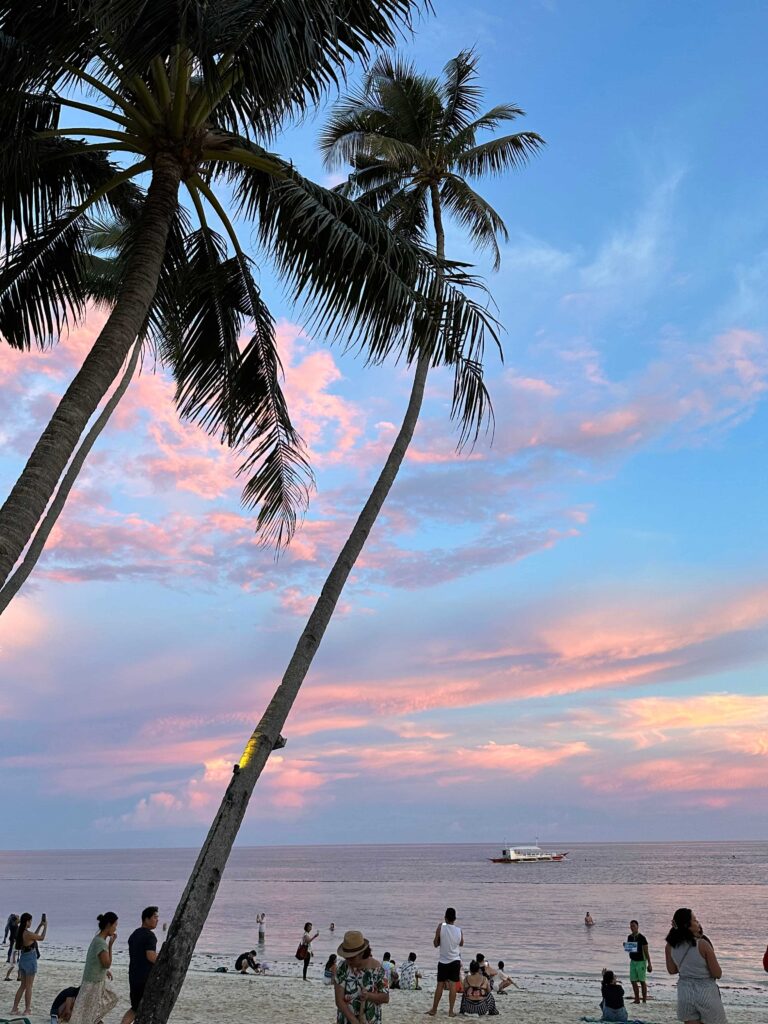
Our gaze, I’ve come to realize, is strung with banderitas of choices. Those little triangular flags of memory and decision stretched across the cord of time. Some are bright with triumphs, others tattered from the storms we’ve endured. Together, they make a colorful mess of who we are: imperfect, contradictory, but beautifully ours.
I used to think clarity came in grand revelations, like a sunrise cracking the sky open. But sometimes it appears while you’re people-watching by the beach, sipping on a syrupy drink, and realizing you no longer crave the noise that once made you feel alive. Maybe growing up is just learning to sit still—to listen to the water lapping at the shore without needing it to say something profound.
Nothing out there has really shifted. The tides still come and go; the world still spins with or without our permission. What’s transformed is how we see. We’re no longer looking through the clear pane of youth but through a looking glass, with ourselves now part of the frame. And maybe that’s the whole point: to return to the same places, to walk the same paths, and realize that while the scenery stands still, we’ve become the moving parts, adorned with our own colorful banderitas. Yes, a bit cluttered, but joyfully celebrated.