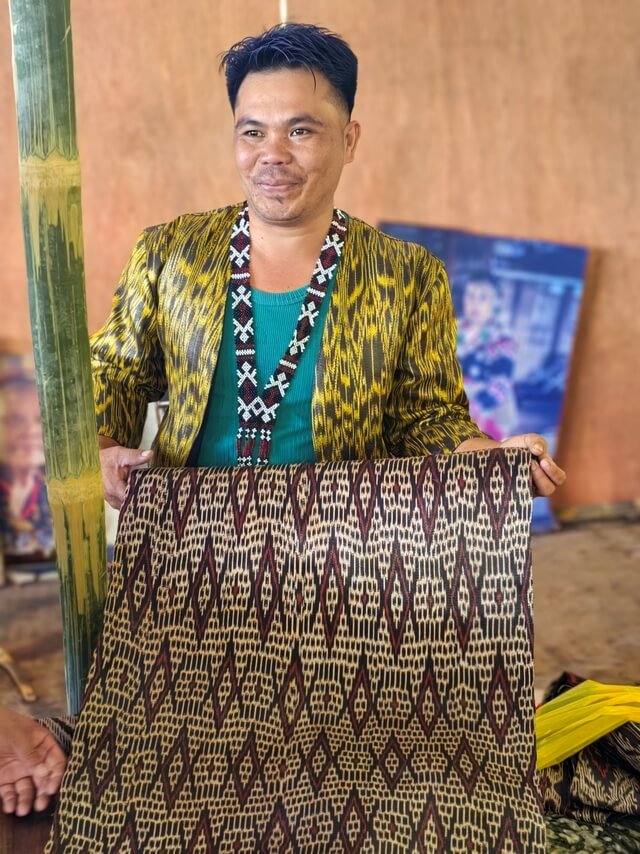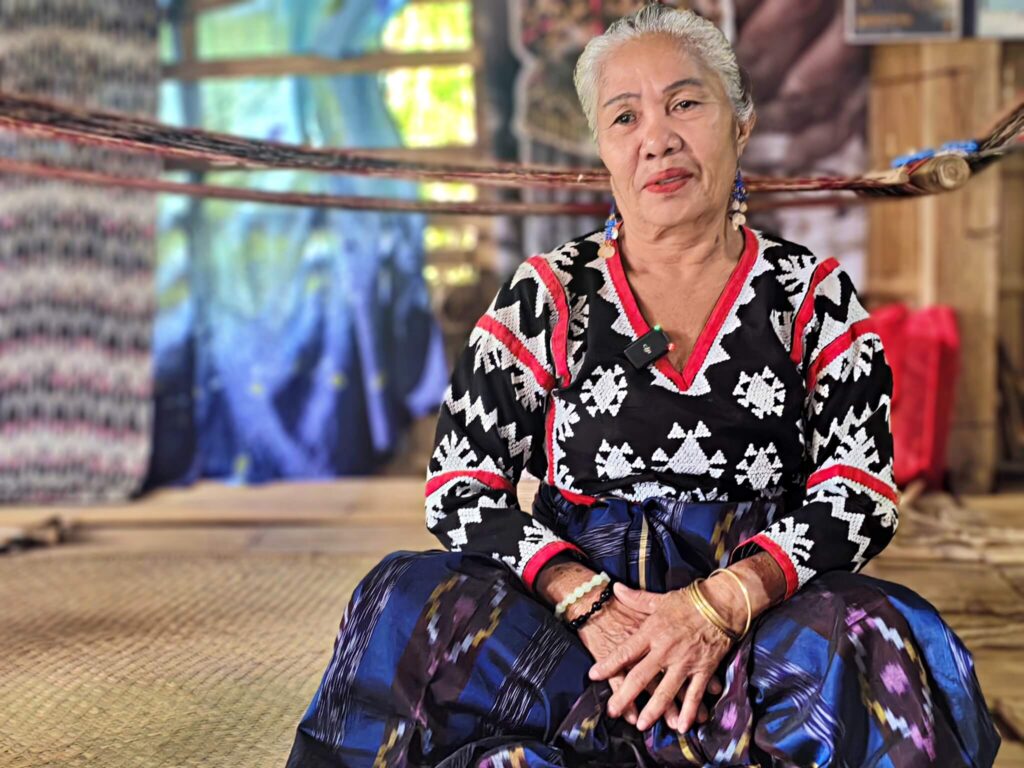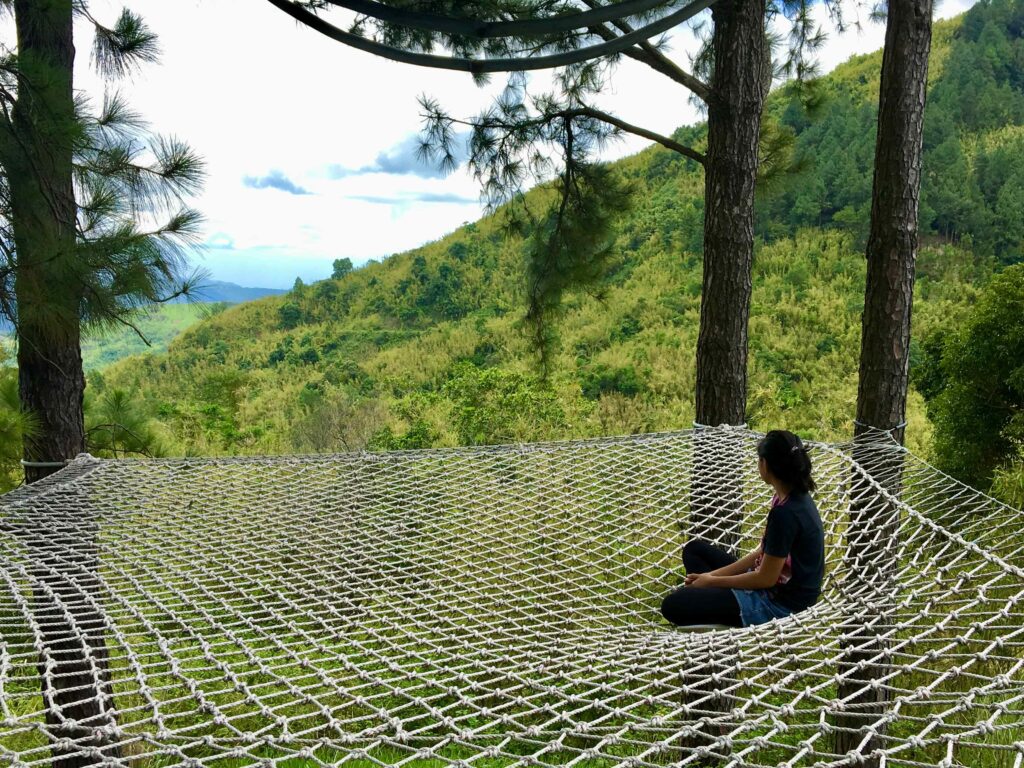


Located in the highlands of South Cotabato, about a thousand feet above sea level, Lake Sebu offers more than beautiful scenery. Each misty morning, lotus flowers bloom as the T’boli, the lake’s original settlers, begin another day preserving their sacred T’nalak. Each T’nalak cloth is woven with unique patterns revealed to them through dreams, earning them the title “Dreamweavers”.
Here, heritage thrives not only in intertwined abaca fibers but also through the hands of Gawad sa Manlilikha ng Bayan (GAMABA) awardees, or National Living Treasures, who embody the spirit of T’boli artistry.
National Living Treasures
Established under Republic Act 7355, the GAMABA Award honors Filipinos who preserve traditional arts with excellence, passing them within their communities. Since the first awards in 1993 were given to Ginaw Bilog (Mangyan poet), Masino Intaray (Palawan musician and chanter), and Samaon Sulaiman (Maguindanao kutyapi master), there are now 25 awardees nationwide, four of whom hail from Lake Sebu.
Lang Dulay: The First Dreamweaver
In 1998, the late Lang Dulay (1928–2015) became Lake Sebu’s first National Living Treasure. A T’nalak master weaver since age 12, she created over a hundred designs, all crafted from dreams. To pass down the tradition, she founded the Manlilikha ng Bayan Center — now the Lang Dulay Weaving Center — where her descendants continue her legacy.
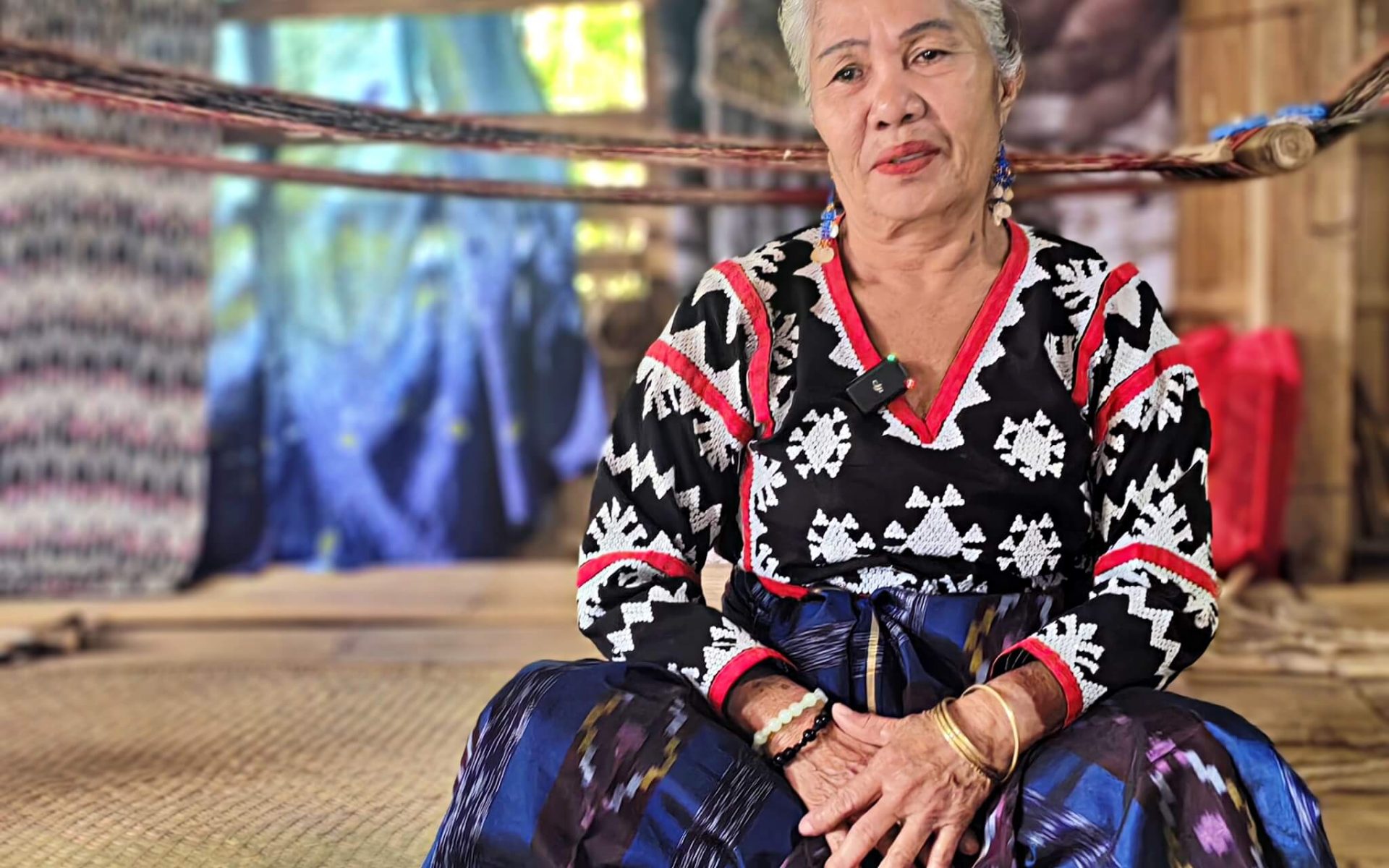
Her daughter-in-law Sebulan Dulay, now in her seventies, carries the torch, weaving and performing traditional T’boli music alongside her family. Many of Lang Dulay’s final works are now displayed in museums and private collections.
The New Generation of Dreamweavers
In 2023, nine cultural bearers received the GAMABA Award, the highest number to date. Remarkably, three of them come from Lake Sebu: Barbara Ofong, Rosie Sula, and Bundos Fara.
Aunty Rosie Sula, as her community fondly calls her, is a T’boli chanter, dancer, composer, and musician. She is renowned for her mastery of Tudbulul – an epic T’boli chant passed down orally through generations. Although not a weaver like Lang Dulay, she founded Libun Hulug Matul (Tribal and Women Empowerment), a collective of women weavers and artists. She also helped establish the School of Indigenous Knowledge and Traditions in Lake Sebu, ensuring that young T’boli continue to learn about their heritage.
Barbara Ofong, a master T’nalak weaver for over 50 years, has created more than 90 designs, each believed to be inspired by Fu Dalu, the T’boli goddess of abaca. Through cultural worker Michael Yambok, she recounted to us how she began weaving during the arrival of the Santa Cruz Mission in the 1960s. At that time, only five T’nalak weavers remained. The mission collaborated with local women to revive the dying art, which Ofong helped sustain.
Today, she volunteers at both the School of Living Traditions and the School of Indigenous Knowledge and Traditions in Lake Sebu. “I didn’t expect to be honored with a GAMABA award,” she said. “I just wanted to keep weaving.”
The Metal Master: Bundos Fara
On a later trip to Lake Sebu, I met Bundos Fara, the town’s 2023 GAMABA honoree. A master brass caster known for Temwel – the T’boli art of crafting intricate brass designs – Fara melds traditional motifs with contemporary designs to create unique swords, medallions, and jewelry. Despite his skill, he remains down-to-earth, often smiling and posing with visitors at his small workshop, where molten metal becomes works of art.
Nearby, the legacy of another celebrated South Cotabato native and GAMABA awardee remains: the late Fu Yabing Masalon Dulo (1914–2021). Hailing from Polomolok, Fu Yabing preserved the B’laan community’s mabal tabih ikat weaving. Today, her works add another golden thread to the region’s tapestry of living traditions.
Threads of Legacy
A decade ago, my knowledge of Philippine crafts was limited to Cordillera woodcarving and weaving. Through journeys like this, I have since not only learned about our living traditions but also met some of the masters themselves, including the late Yakan weaver Apuh Ambalang in Basilan and Magdalena Gamayo, the Ilocano inabel master who turned 100 in 2024.
Lake Sebu, with its enduring cultural lineage, stands as one of the most inspiring destinations for anyone seeking to understand the Philippines beyond its postcard beauty. It is a living classroom where the T’boli continue to weave dreams, forge metal, chant their stories, and preserve a world where art and life are one.