

Camping should be uncomplicated, easy, and simple. You pitch a tent, share a meal, and let time pass by. But what happens when a storm becomes part of the stay?
In Zambales, where the land sits between sea and a mountain range, campers come for the space and quiet, but sometimes, learn to welcome even the most unexpected turns in the weather.
Deep into the remote shores of the small coastal town of Palauig, you’ll find Camp Sitio Tangal, an expansive ground where camping still feels truly like camping. Here, it’s quiet, open, and unpolished. There are no flashy banners, no grand entrances, just welcoming staff and a place that blends in with nature instead of trying to stand out.
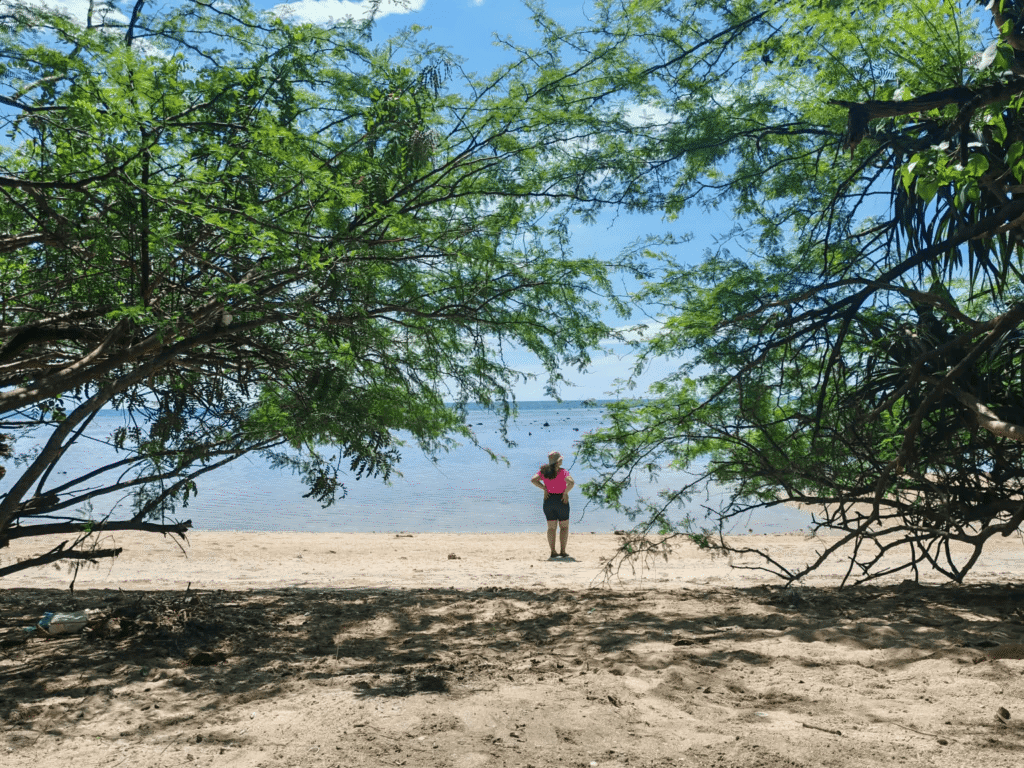
The camping ground is set on a four-hectare farm facing the West Philippine Sea. Campers are adequately spaced out across a long stretch of beach shaded with trees. You won’t feel that it is crowded even on a weekend, and you still enjoy some privacy if you’re a couple or on a solo camp trip. Birdsong can be heard with lapping waves and the soughing of trees.
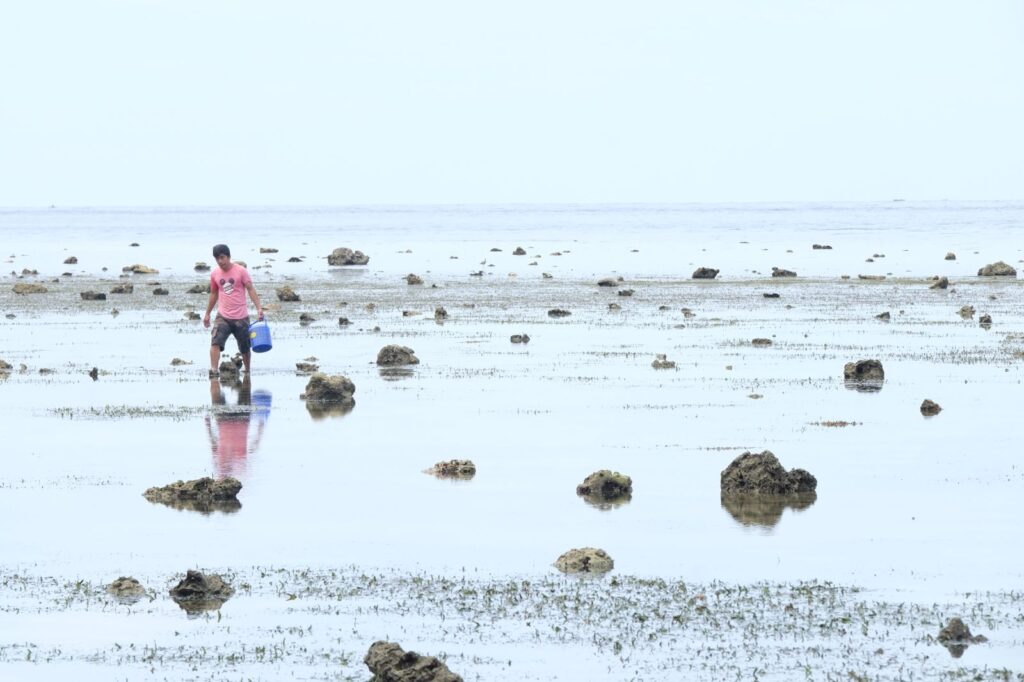
During low tide, the shoreline stretches farther than expected. Boats dot the horizon. With rock beds surfacing from midday to late afternoon, some would wander farther out, scanning the shallow waters for small fish or shells. Amid laidback days that call for a nap on a hammock, a fish on the griller, and time stretching endlessly, campers experience a different kind of reset here.
The Tribunada
But amid the calm, there’s also some anxiety about whether your tent can survive the ordeal.
In a brief chat with camp manager Neil Gamboa, he talked about the tribunada—a sudden burst of strong wind accompanied by heavy rain, commonly in the afternoons and during the wet season. It lasts anywhere from 30 minutes to an hour. For first-time campers, it can feel dramatic; scary even.
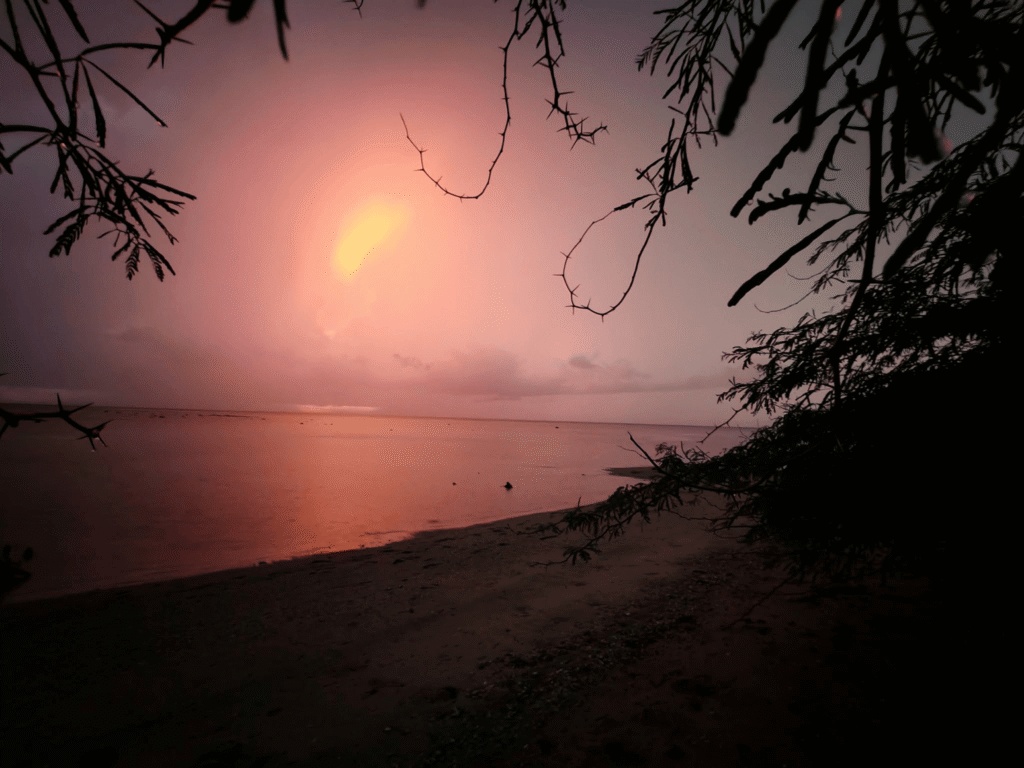
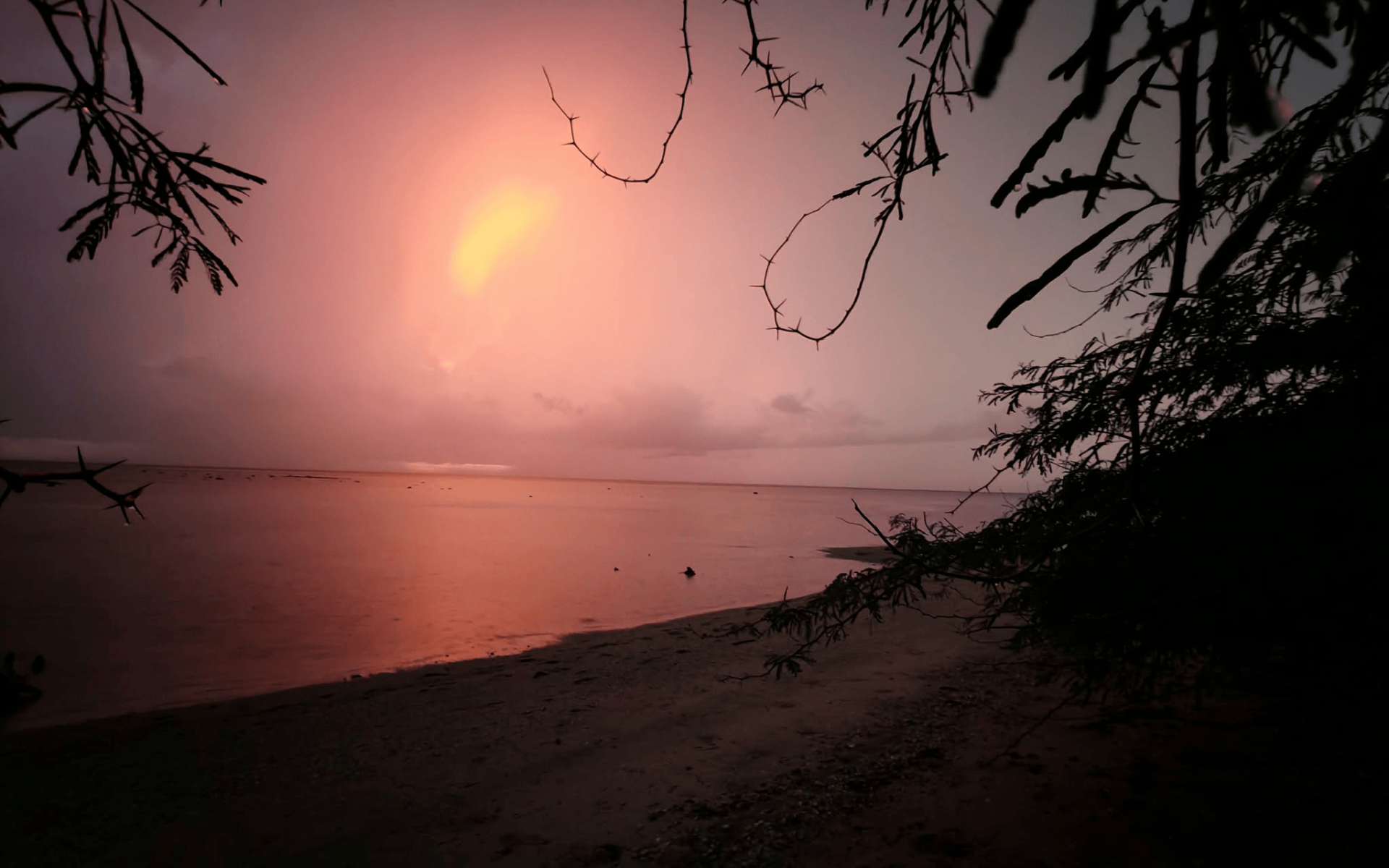
We experienced the tribunada two days in a row during our stay. The first one was just an hour after we arrived. Luckily, we were able to set up camp and have everything in place. After a couple of lightning strikes at a far distance and some silent prayers after, the skies cleared, and it was peaceful once again.
It was more intense on our second day. The sun was strikingly hot at 4:00 PM, and we were relaxing by the beach, each with coffee in hand when the clouds suddenly went dark. Downpour hit – loud, fast, and unsettling. Prior to our visit, we watched videos and posts about the tribunada before our visit. But you realize it’s a different story when you’re out there. We secured our gadgets inside the tent and strengthened our ropes, hoping our pegs would not pull out from the ground.
For locals though, it’s just another day. Neil walked in the rain like it’s routine and came to our camping area for a casual check-in, calmly assuring us that this tribunada will stop soon, moving to camper after camper with the same reassuring smile.
True to his word, the tribunada arrives loudly, sometimes with thunder and lightning, always with heavy rain and strong winds. It comes briefly, then leaves. The beach returns to its stillness, and everybody comes out of their tents or homes as if nothing ever happened. It becomes just another topic in conversations over a bonfire.
Outside of these brief moments of turbulence, Camp Sitio Tangal is all about ease and escape. Fellow campers flock there for same reason: to slow down by the sea and enjoy the quiet. Here lies an unspoken understanding: respect the land, and it will reward you with an unforgettable experience.
Other Sights Outside of the Camp
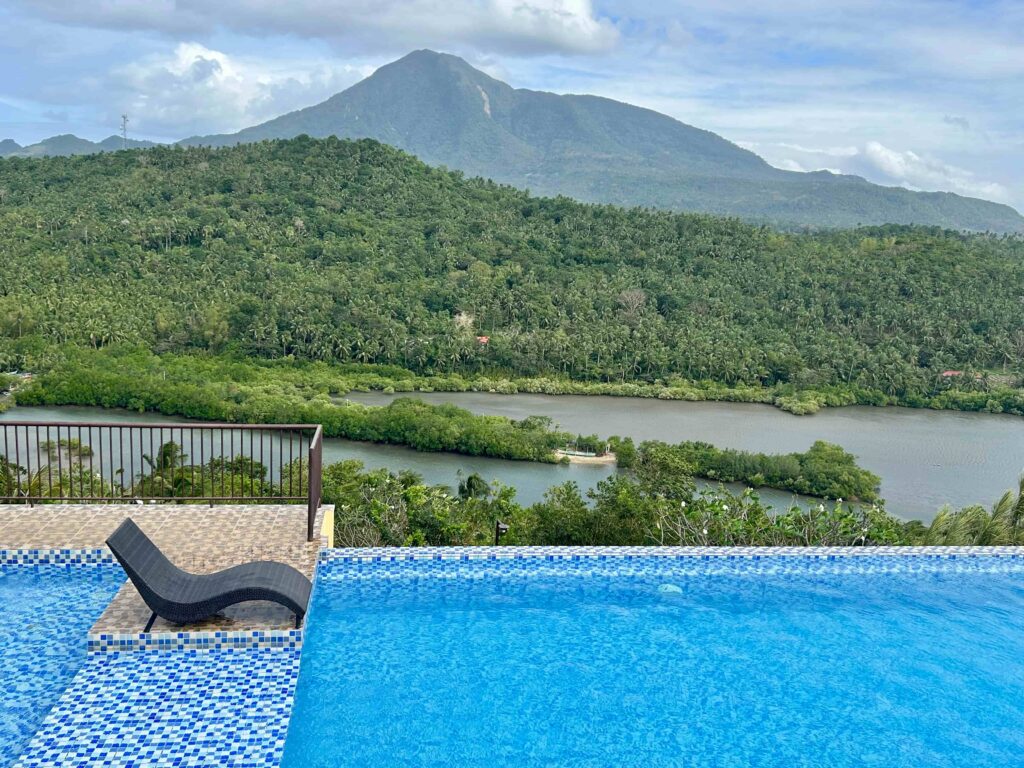
When the tents come down, I love that Zambales doesn’t rush you out. Nearby, Bagsit River offers a cool freshwater dip. If you have more time, you can hop on a boat and head on a day trip to Magalawa Island. Farther north, Coto Mines in Masinloc offer more rugged camping options.
For those driving back to Manila, there are quieter pockets in Botolan or at the weekenders’ favorite surfing spot, Liwliwa in San Felipe. Cruising through the long highway in Zambales, you’ll realize Zambales has the best of both worlds. Coastal towns roll in once more as the mountains fade into the distance.
We stopped at Kopi Kubo Collective stall in Cabangan, one of the local coffee spots along Zambales and into Pangasinan. They offer black coffee by the side of the road – an ideal ending to a stormy camping trip.
Experiencing the tribunada for two consecutive days adds another perspective. What initially feels scary becomes almost impressive. Nature flexes its full might to ground you. The roaring wind tells you to hush, sit back, and simply listen. To focus on things you can control in your little tent, like heating up your stove for a simple soup. Under restless skies, you come to understand: you must learn to sit through it because like any storm in life, it will pass.