

How Tina Decal’s Kulinarya Tagala is making visitors remember and appreciate local cuisine better and help the local communities thrive
In Quezon Province, local gastronomy often begins with the coconut. You’ll smell the inviting aroma of dishes cooked in gata in backyard kitchens and roadside eateries. Pasalubong stops will never be complete without kakanin folded in fresh coconut milk and delicacies made from it.
For some, these everyday staples may seem ordinary. But through the lens of some Quezonians promoting local gastronomy, it’s an act of preservation and a declaration of love for Quezon’s rich culture.
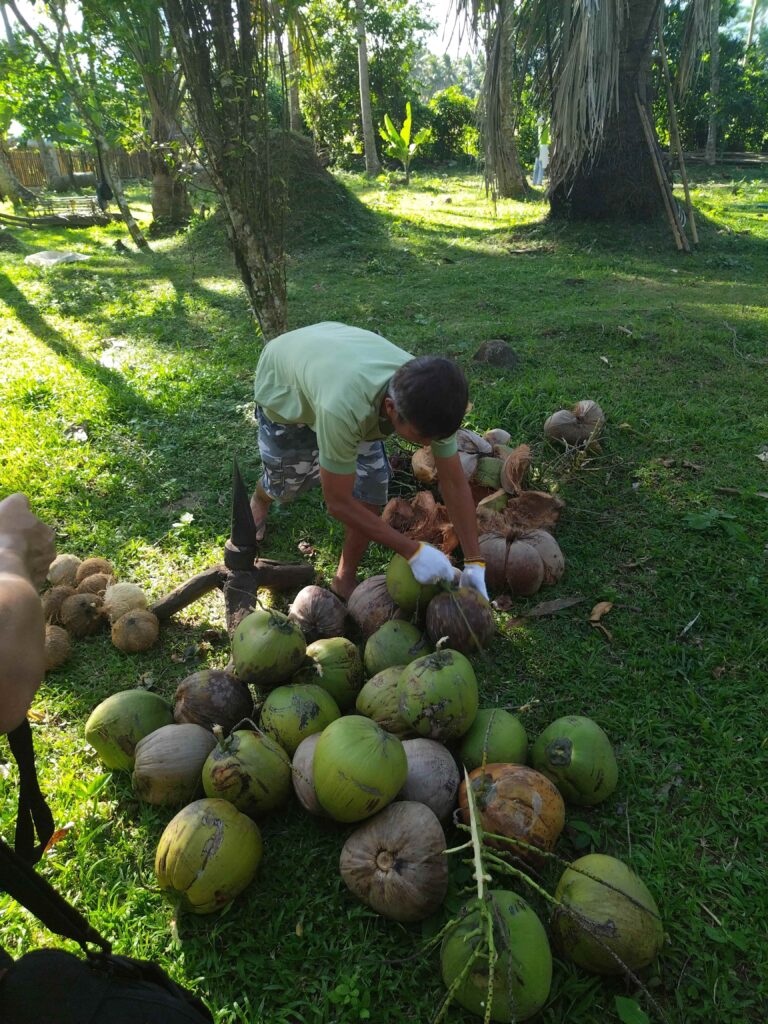
Producing 1.49 metric tons of coconut annually, Quezon is the leading producer of coconut in the Philippines. For most households here, dishes almost always involves coconut. There’s adobo sa gata, sinantolan (grated santol pulp in coconut cream), and pinais (grated young coconut with river shrimp), to name a few. More than sustenance, they each have interesting stories behind them.
Kulinarya Tagala
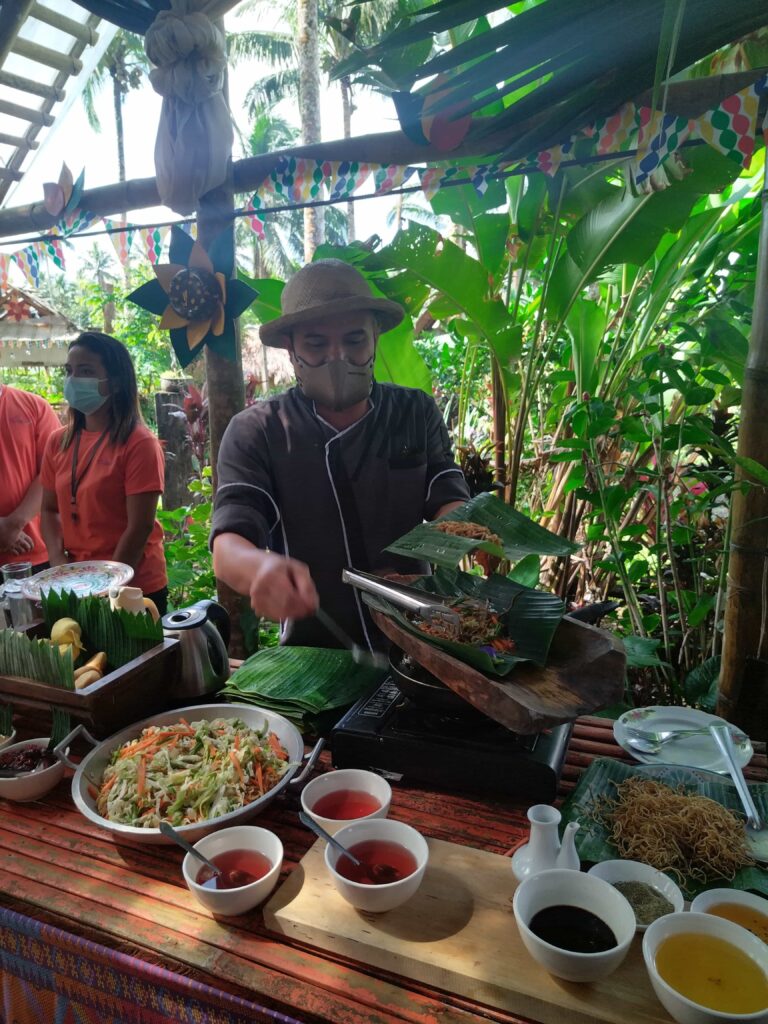
For Christina Decal and her brainchild culinary food and heritage tour Kulinarya Tagala, local food tourism in the province is not just about presenting, but also telling the whys and the hows of how a dish was made.
While tasting pinais, for instance, guests discover that locals do not simply crack open any coconut. Maturity matters. Farmers would look for the “alangan” – the stage where the meat is neither too young nor too firm. By knocking on the shell, they can tell whether it is best suited for gata (coconut milk), grating, or dessert. Another example is the province’s take on adobo. Instead of soy sauce, they use gata as an alternative; after all, it’s what’s available and affordable. Its recipe has been passed down from mother to daughter for generations. These small pieces of knowledge, passed down through generations, become part of the culinary experience.
Through Kulinarya Tagala, which began in 2003, guests – foreigners, OFWs, and students – learn how the province flourished during the coconut boom, how imported canned goods during the American colonial period influenced dishes like Lucban’s hardinera, and how indigenous cooking methods, such as kinulob—slow cooking in covered pots—coexist with modern techniques.
From everyday dishes to festive ones, Quezon Province doesn’t fall short. Aside from Lucban’s festive meatloaf, hardinera, there’s the street-style eating of pancit habhab and Lucban longganisa — all popular dishes during Pahiyas Festival.
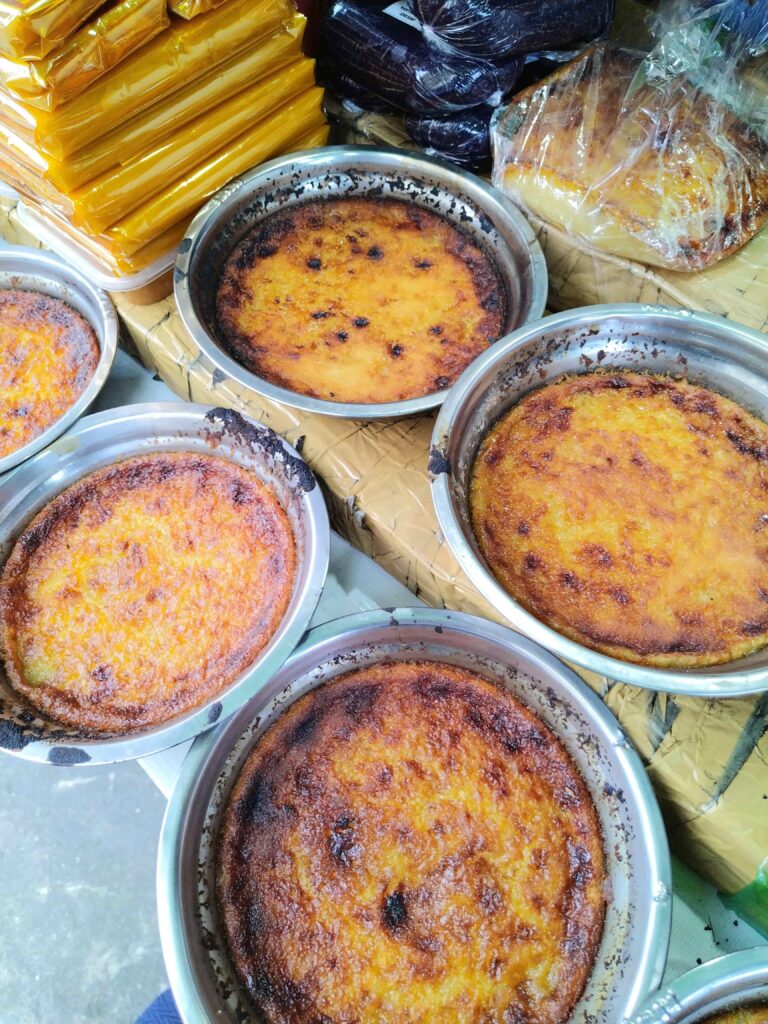
Visitors can drive through Kalye Budin in Tayabas to buy the famous budin, a creamy cassava cake established in 1972, or try pasulbot and kalamay, a variety of products made of glutinous rice, coconut cream, and brown sugar. “Taste is subjective,” she explains. It is not about claiming superiority.


Rituals and cultural revival
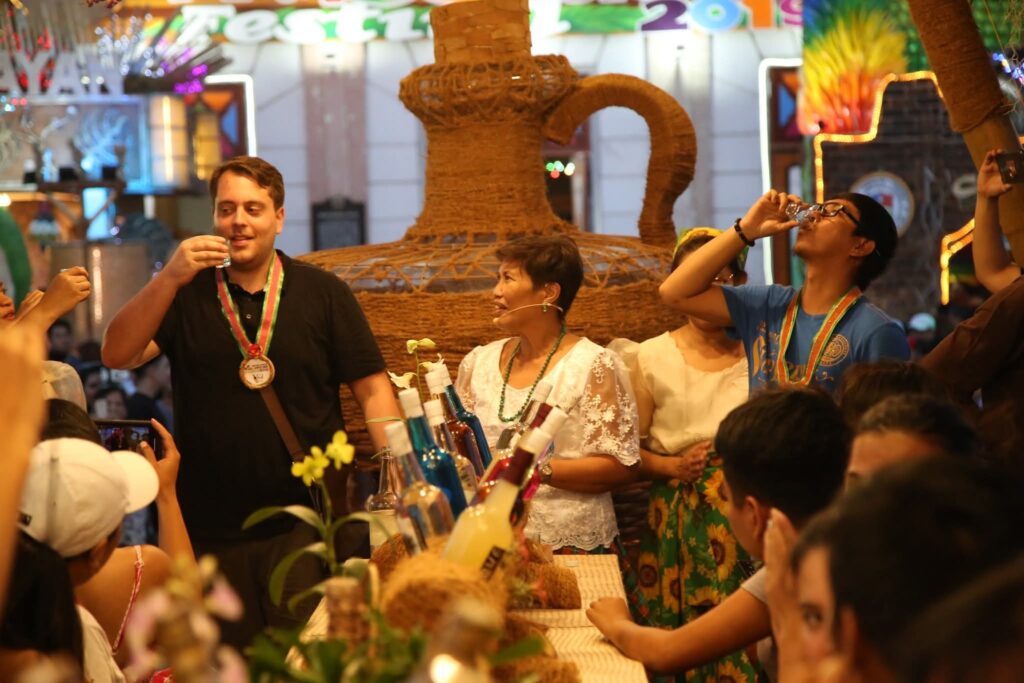
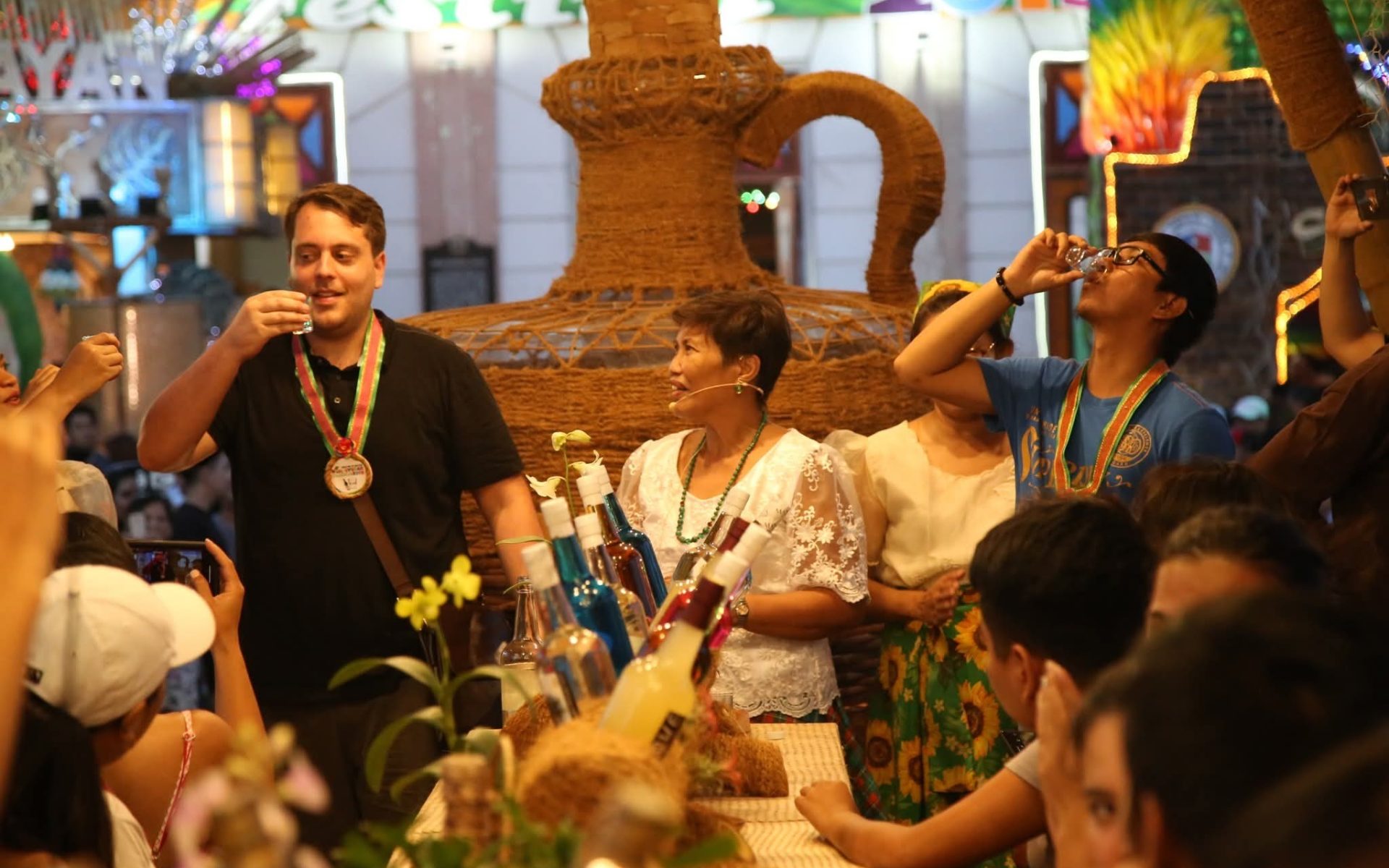
One of Decal’s contributions is the reintroduction of the tagayan ritual, a merrymaking tradition that involves the drinking of Quezon’s coconut spirit, lambanog. During the early days of her food tours, she wanted to break the negative connotation associated with the local liquor. After research, she found out that “tagay” originally referred to a drinking song—an awit.
“Sharing lambanog was once intertwined with poetry, music, and dance. Fisherfolk and farmers gathered at the end of the day not just to drink, but to sing. Women danced as they offered the glass, embodying hospitality and artistry.”
Today, the tagayan ritual is part of Quezon’s tourism activities, appearing in festivals such as the Niyugyugan Festival and workshops where younger generations are trained in movements and melodies.
Decal also added how, beyond cultural revival, the impact is visible in communities. When culinary tours prioritise local cooks and small businesses using locally sourced ingredients, they generate steady demand for farmers. By partnering with small establishments instead of large chains, income stays within communities. Guides are trained, and hospitality staff services are elevated. All these produce a ripple effect.
Decal says food is deeply tied to Filipino identity, both in the past and in the present. Through food and storytelling, visitors understand, appreciate, and remember local cuisine. “What sets the experience apart is the narrative – feeding not just the stomach, but the mind,” she shared. When we understand the story behind what we eat, we are also nurturing the community that made it possible.