

I’ve only corrected the spacing, paragraph breaks, and italicized Filipino/non-English terms. The wording has not been changed.
Sipping coffee in a cozy café or exploring different beans at an expo or Sunday pop-up is one thing. But tasting it where it was grown is a completely different experience.
During a visit to Maguindanao del Sur, that dream came true—and more.
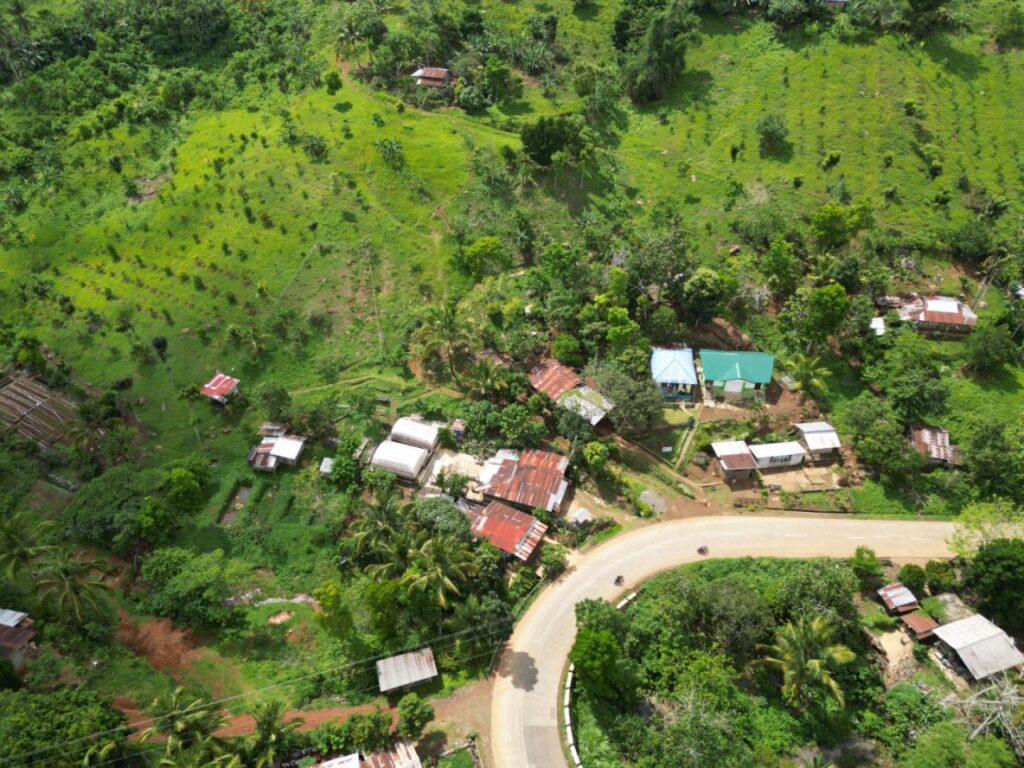
A morning drive out of Cotabato City and into the south of the province took us to the main office of the Malibacao Agriculture Cooperative in Sitio Manga, Barangay Romongaob, in the municipality of South Upi. This cooperative is home to North Star Upi, a local coffee brand founded by entrepreneur Estanislao “Jun” Gepte Jr. in 2018.
My husband, Ramir, and I arrived past 9 in the morning. Climbing a few steps from the roadside, we arrived at the North Star Kapehan, a humble community café where cooperative members served us freshly brewed coffee. The deep, earthy aroma of South Upi’s liberica beans—commonly known as kapeng barako—immediately wafted through the air.
Its full-bodied and robust flavor and subtle floral notes hit right on the spot. It has a slightly smoky finish, with a hint of citrusy sweetness that lingers on the palate. Pairing it with saba and a generous plate of suman brings both warmth and calm; like a sense of comfort in a place I’ve only known for the first time.
Uplifting Lives Through Farming
As we roamed the grounds, Jun shared the story behind the brand. For him, the initiative is rooted in the belief that the community can rise if given a fair chance.
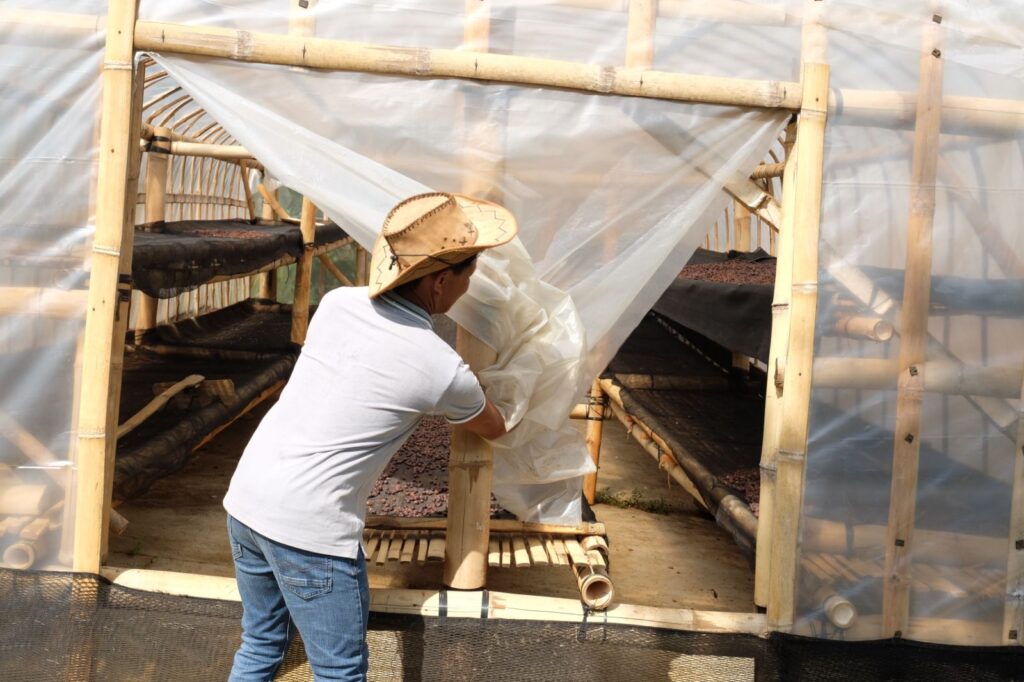
Loaning and debt had long been a common plight for many families here. Through coffee farming, Jun hopes to redirect that path toward a sustainable livelihood. In 2018, he provided infrastructure, such as raised beds for drying cherries, and encouraged training and continuous learning to improve farming practices.
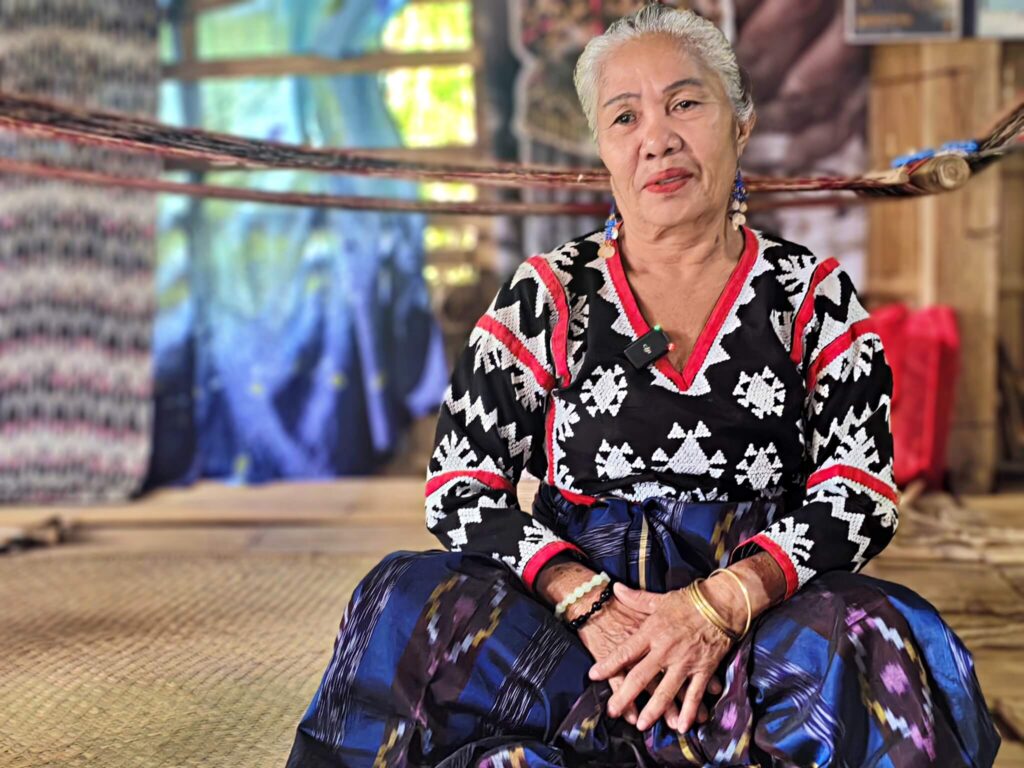
Led by Coffee Master and Cooperative Chairman Rizalex M. Favila, the farmers have demonstrated perseverance, dedication, and eagerness to sustain all the opportunities they’re handed. Today, the cooperative includes more than 30 farmers, mainly from the Teduray—the indigenous people of South Upi.
It empowers fathers to provide for their families by farming the land, while enabling mothers to raise children while managing farms. More than shared labor, the cooperative creates a sense of purpose and dignity, Favila noted.
Here, fair trade and sustainable farming are not abstract ideals that farmers are unwilling to adopt; they are daily practices. Farmers are paid fairly and taught to care for the land that supports their families.
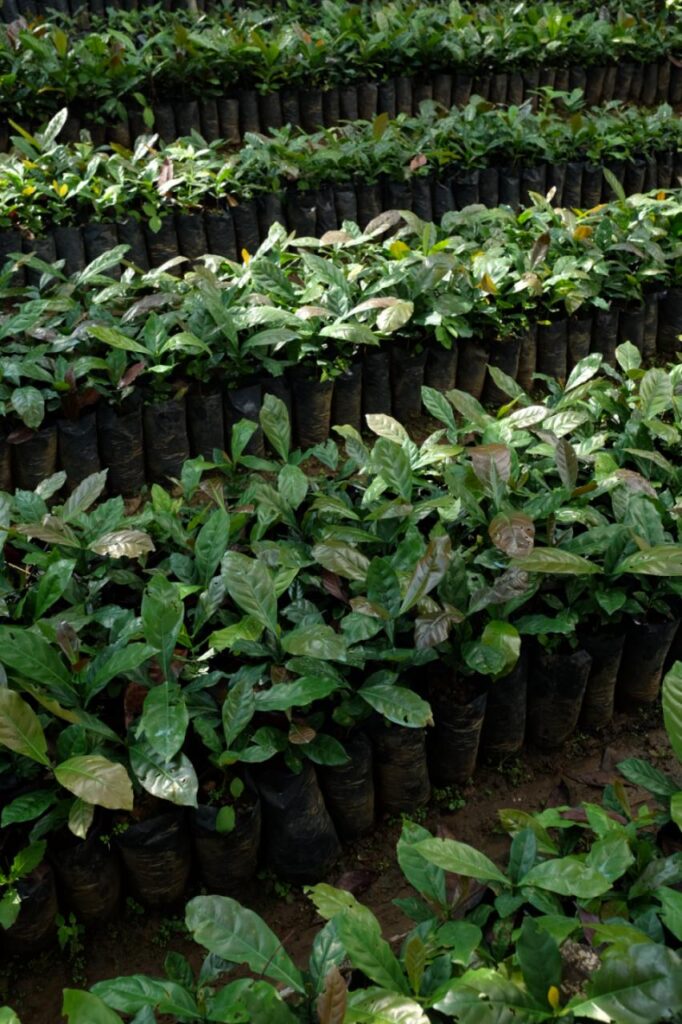
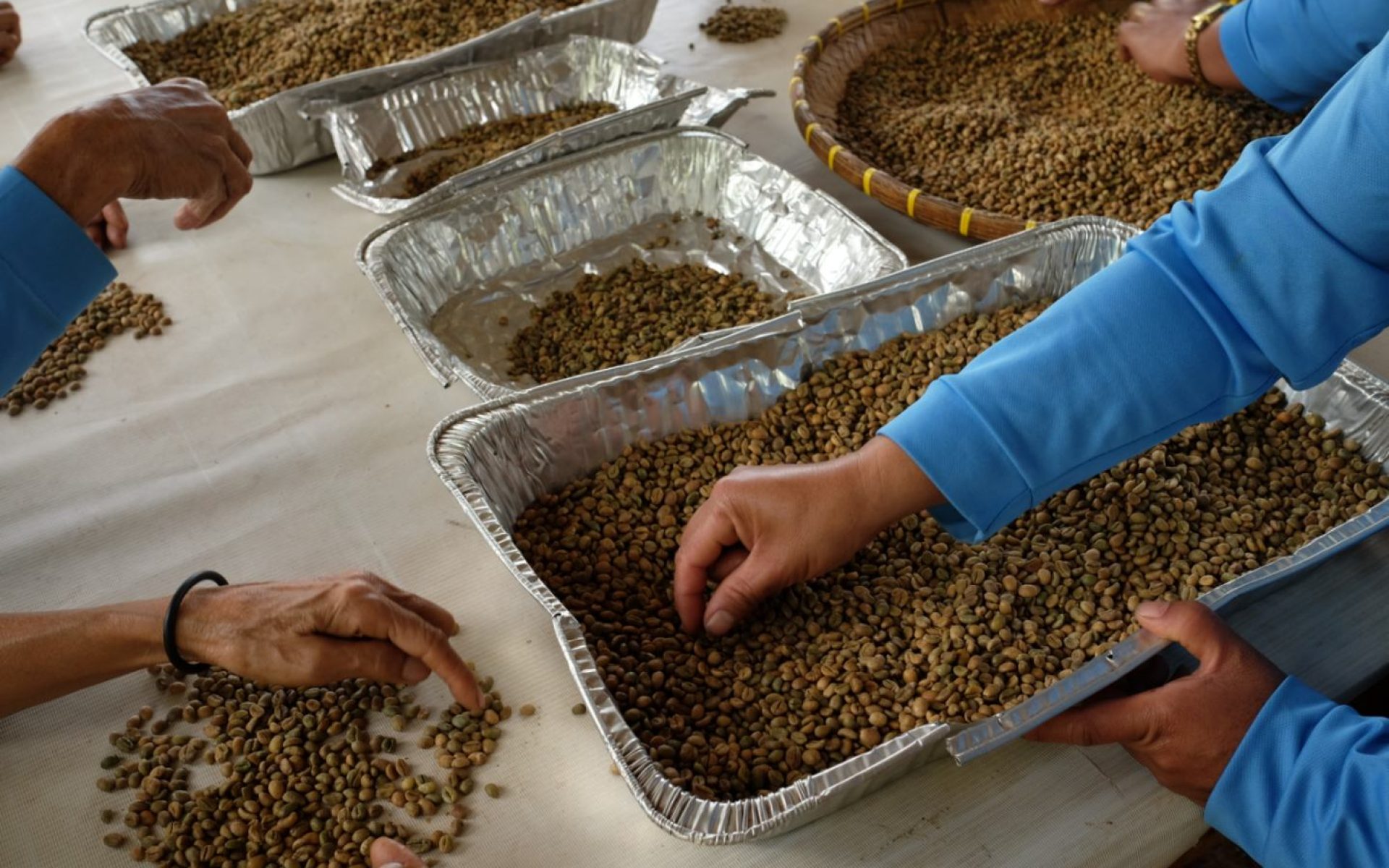
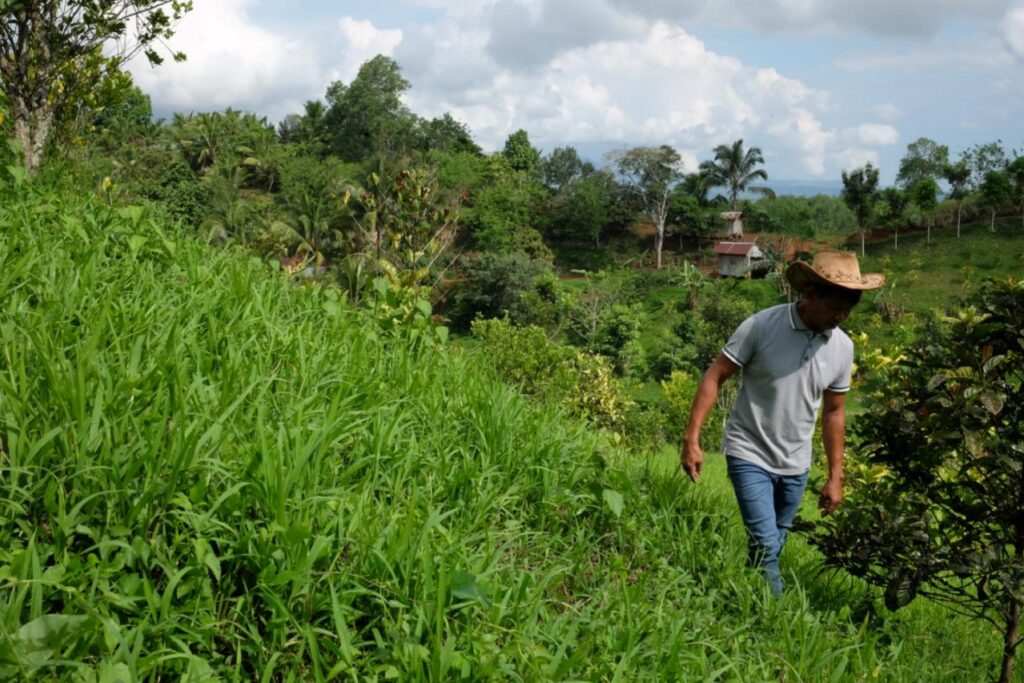
Walking through rows of coffee, we observed this labor of love. Farmers rise early, moving among trees grown between 700 and 1,000 meters above sea level. Women only handpick cherries that have reached the perfect shade of red.
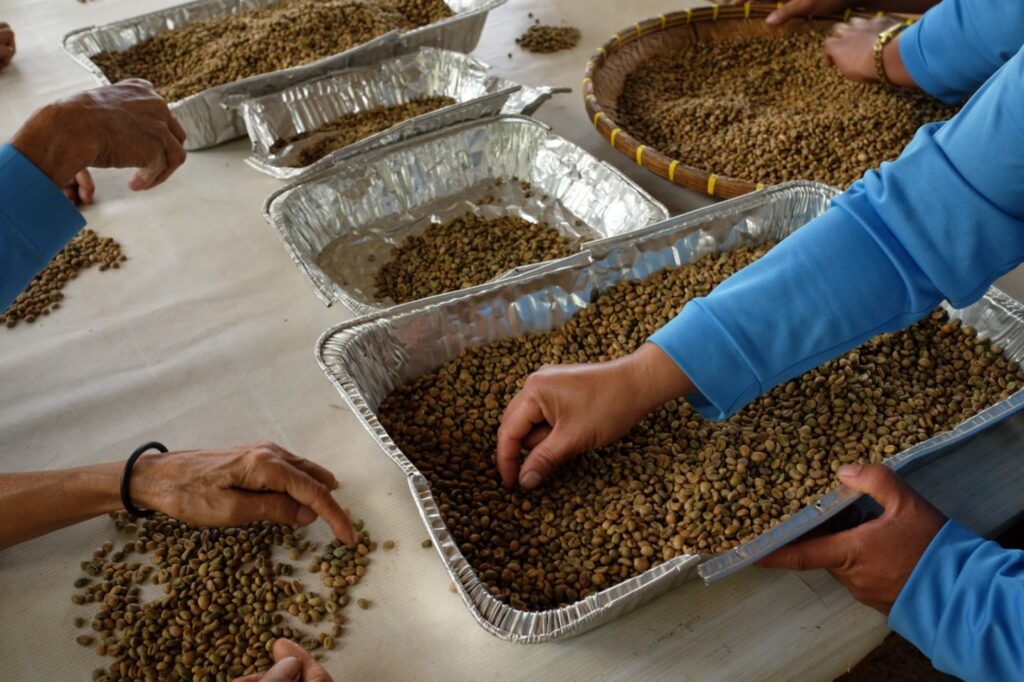
After harvesting, cherries are double-sorted to ensure only the best reach the drying beds. They are rested under the sun to naturally dry. Farmers constantly check, turn, and monitor them throughout the day. It’s meticulous work that only a hardworking hand can do and take pride in.
Big Wins
In 2020, North Star Upi received a Silver Award at the 6th Coffee Roasted at Origin International Contest by AVPA in France for their Maguindanao Premium Blend under the Puissant Doux category, meaning “powerful and smooth.”
The blend combines four native coffee varieties: arabica, liberica, excelsa, and robusta. Aside from its international blend, North Star Upi takes pride in its very own liberica and hopes to bring more opportunities with this variety.
While this is mainly associated with Luzon, particularly Batangas and Cavite, the mountainous soil and elevation of South Upi help coffee thrive, producing healthy, robust, export-worthy cherries. This makes the coffee a unique product in BARMM and presents an opportunity to tap a broader market.
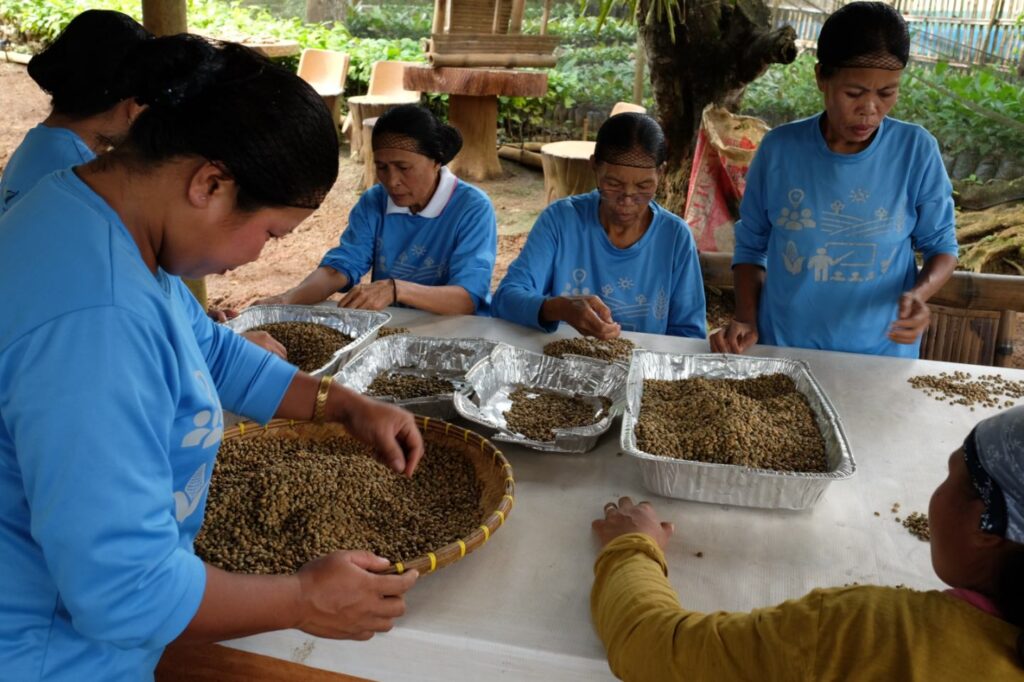
In national coffee expos that North Star Upi participates in, such as the Manila Coffee Festival and Philippine Coffee Expo, they often sell out on the first day.
Gepte also takes pride in the brand’s halal certification—the first in the Bangsamoro Region—recognizing the community’s identity and roots.
The Heart of the Land is the Hands Tending It
As we wandered the cooperative, observing farmers pruning, dehulling cherries, repairing facilities, and tending to drying beds, Jun explained, “When farmers earn enough, they can stay in their hometowns instead of leaving in search of work. They can send their children to school and plan for the future with more certainty.”
Though recognized internationally, the heart of North Star Upi remains in the highlands of South Upi. Farmers continue their routines, documenting daily activities on social media to share their work with the world.
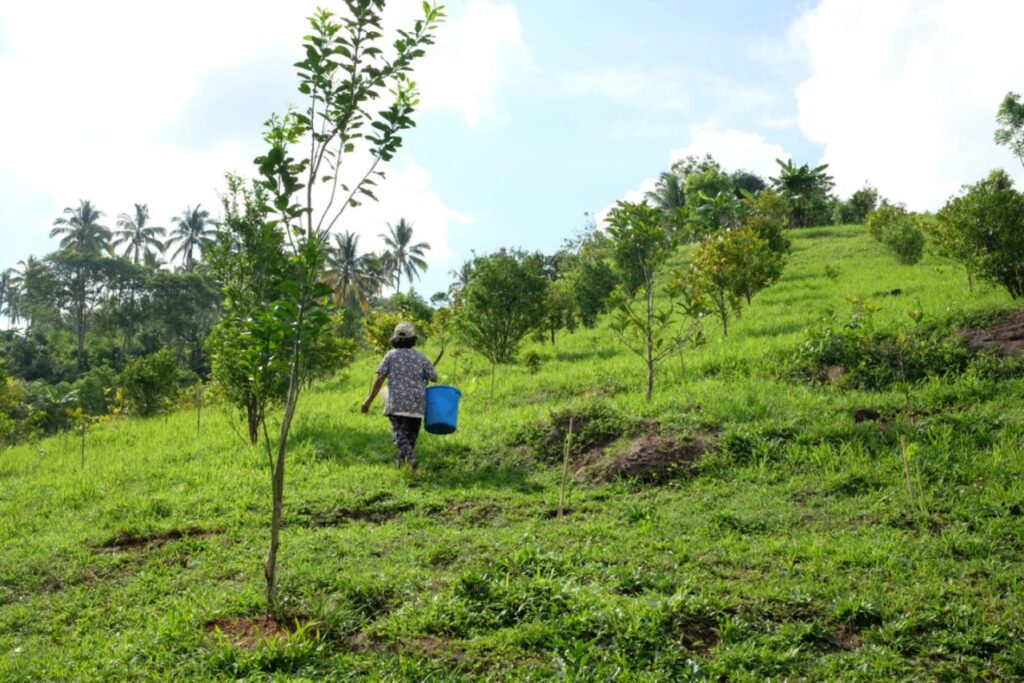
When coffee is out of season, they supplement their livelihoods with other crops. They welcome training and visitors who want to learn from them and explore opportunities. They schedule general cleaning across the processing area and even provide temporary shelter for fellows during calamities.
The goal is to maintain a steady work rhythm grounded in the land. I see it as an act of gratefulness and source of inspiration within the community and beyond.
Finishing my cup in the very place where it was grown, I savored the beans’ lingering smoky and fruity notes. How fortunate I was to feel the depth of flavor that connected me to the land and the people who nurtured it.
Each cup I drink in the future will remind me of them—of humble hands, sustained effort, and a community’s hope rooted firmly in South Upi.