

One traveler reflects on three visits to Camiguin over 17 years and how it reveals an island that has largely stayed the same
The same warm weather and blue skies greeted me when I returned to the island-province of Camiguin in Mindanao, as if no time had passed. In reality, it has been 11 years since my last trip, when two friends and I explored most of the island’s tourist attractions, including a day hike up its most prominent mountain, Mount Hibok-Hibok. Back then, I arrived by boat from Cagayan de Oro, the main gateway to Camiguin.
While the boat service is still a popular way to get here, this time I flew from Manila—first to Cebu, then onward to Camiguin Airport via a small turboprop plane. The journey has changed, but the island’s slow, quiet rhythm hasn’t—at least from the perspective of a visitor like me.
Airports, I find, often offer a glimpse of what to expect from a place. Camiguin Airport, despite being in the provincial capital of Mambajao, is small, basic, and laid-back. It doesn’t take long to walk from the runway to the baggage carousel. Aside from the terminal and a handful of nearby food shops, there isn’t much infrastructure around. Stepping outside, passengers are greeted by smooth roads lined with huge, untamed trees. Motorelas, or tricycles, are among the main ways to get around the island, and it was easy to find one waiting just outside.
Before heading to our accommodation, we indulged in Italian food. Camiguin is home to several excellent Italian restaurants and other local eateries that offer vegan-friendly options, reflecting the mix of people who have chosen to make the island their home. Across from the airport, we enjoyed La Dolce Vita’s brick-oven pizzas and freshly made pasta.
For my sister and me, the pizza and pasta were just a warm-up. We had a more adventurous reason for revisiting Camiguin: we were joining an open-water swimming event, with two family members in tow as ever-supportive cheerleaders.
New Additions: Sporting Events
In recent years, sporting events have become a new reason for athletes and outdoor enthusiasts alike to visit Camiguin. Triathlons, open-water swimming events, running races, and organized hikes bring an exciting energy to the island, allowing participants to experience the island’s beauty up close.
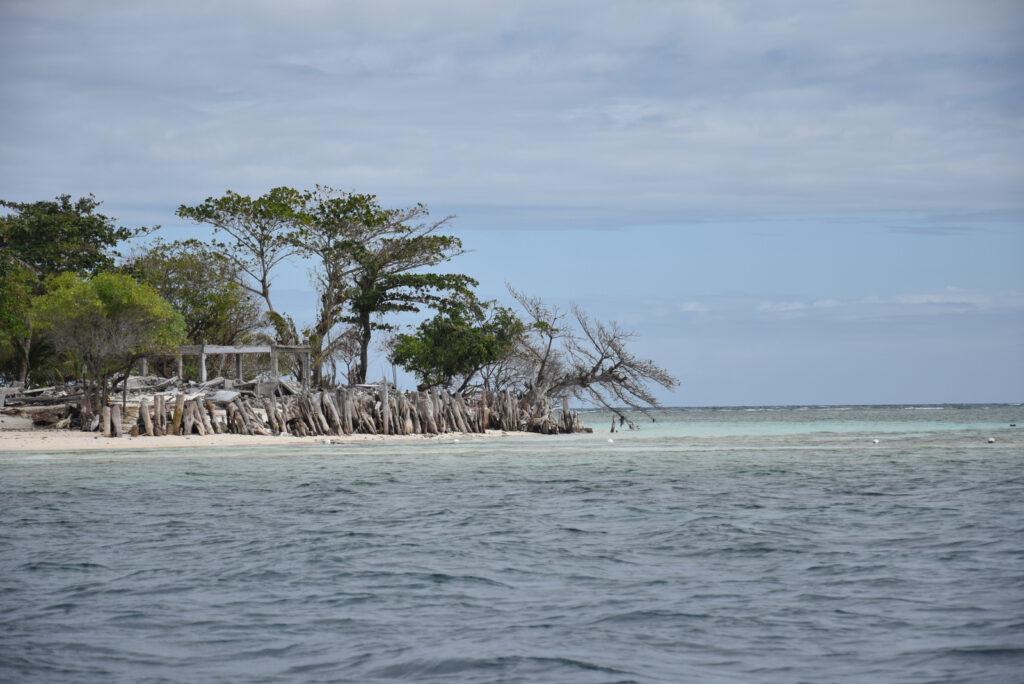
Our two-kilometer swim began on a stretch of fine black sand, with White Island visible at the starting point, before we headed out along the shoreline.
The Old Staples
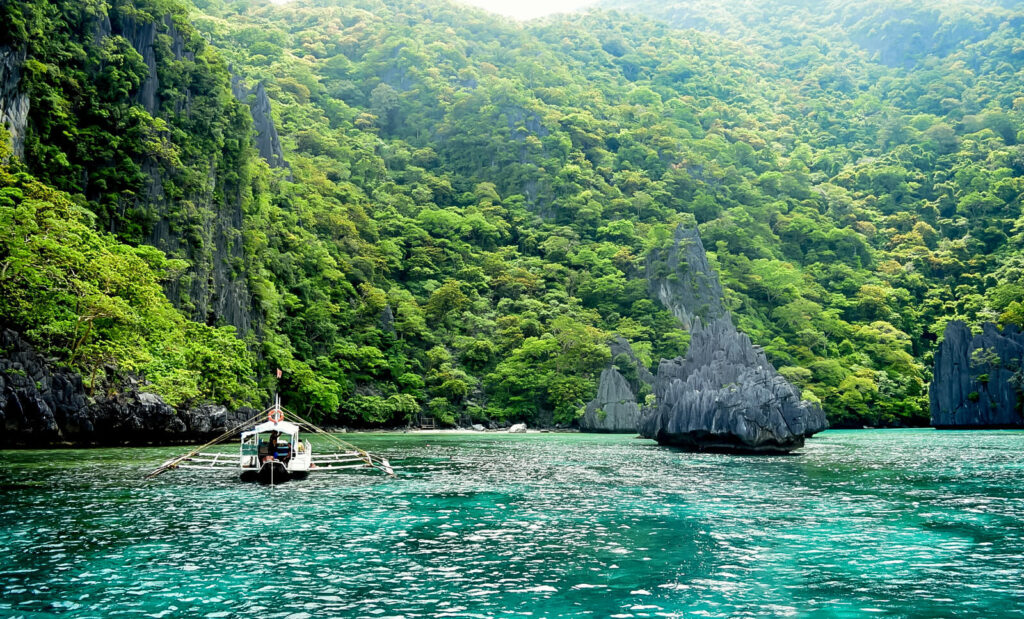
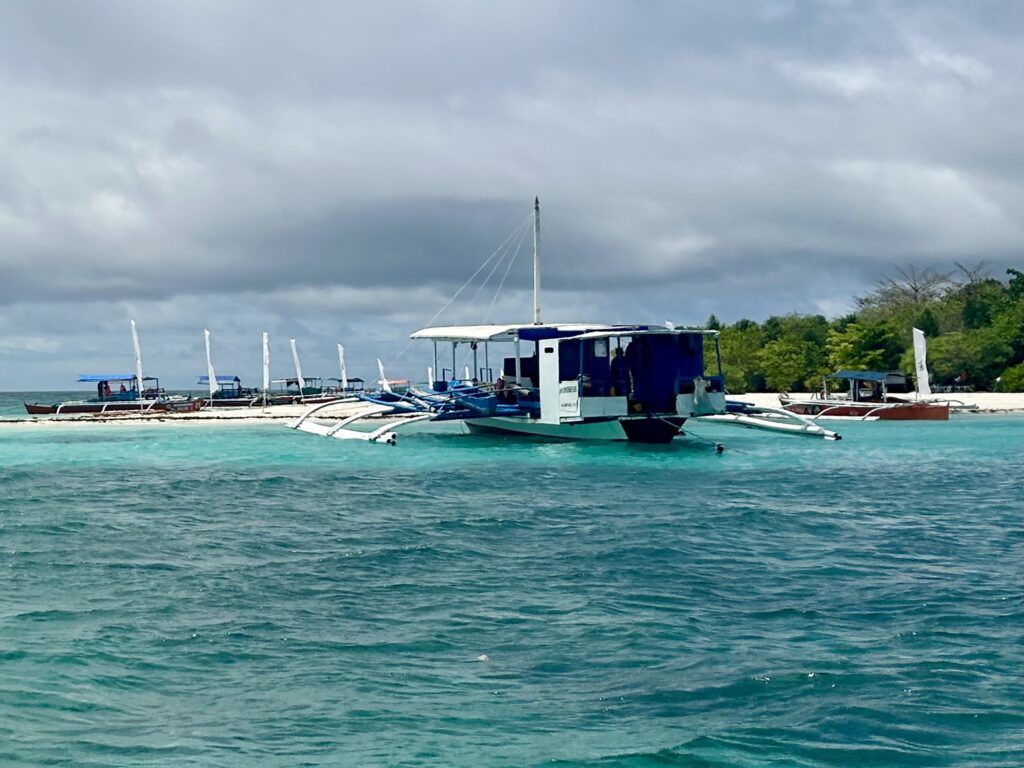
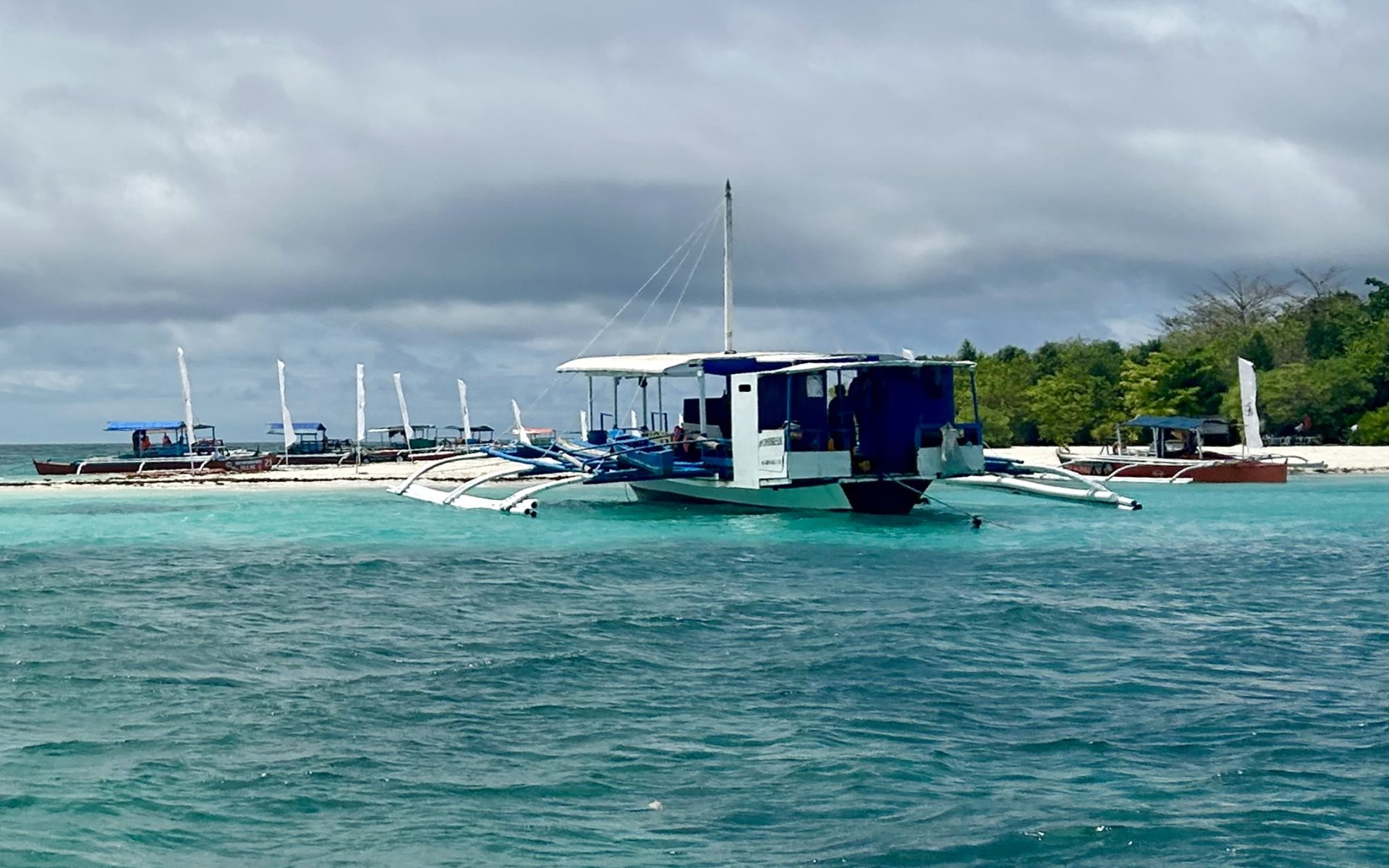
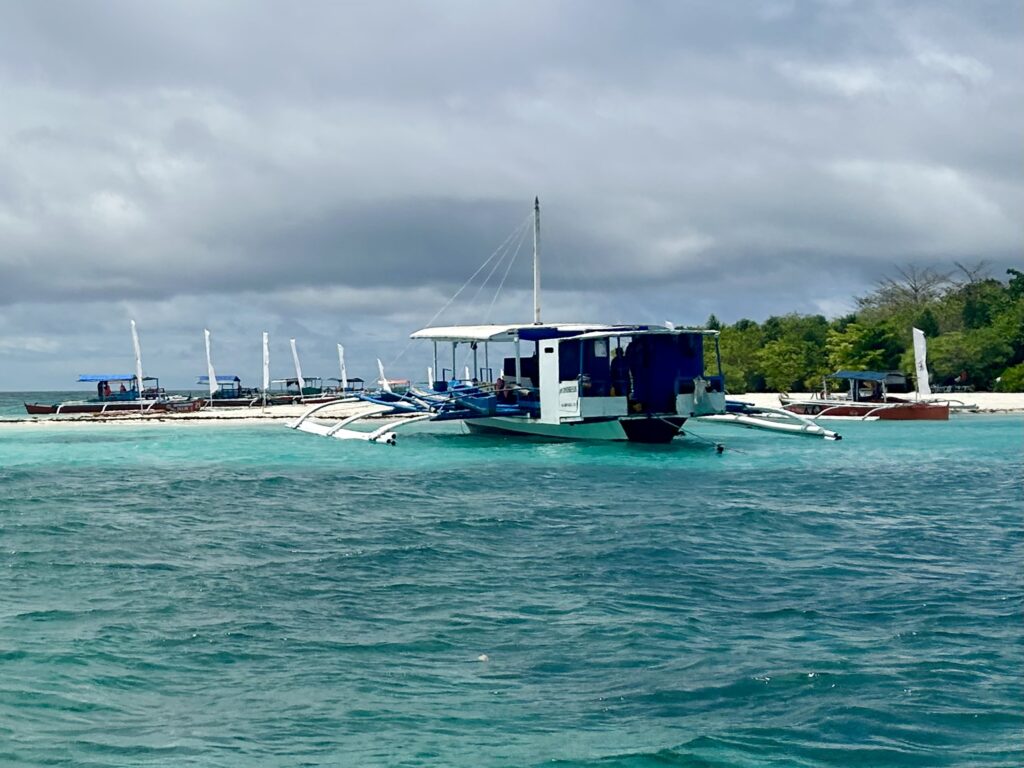
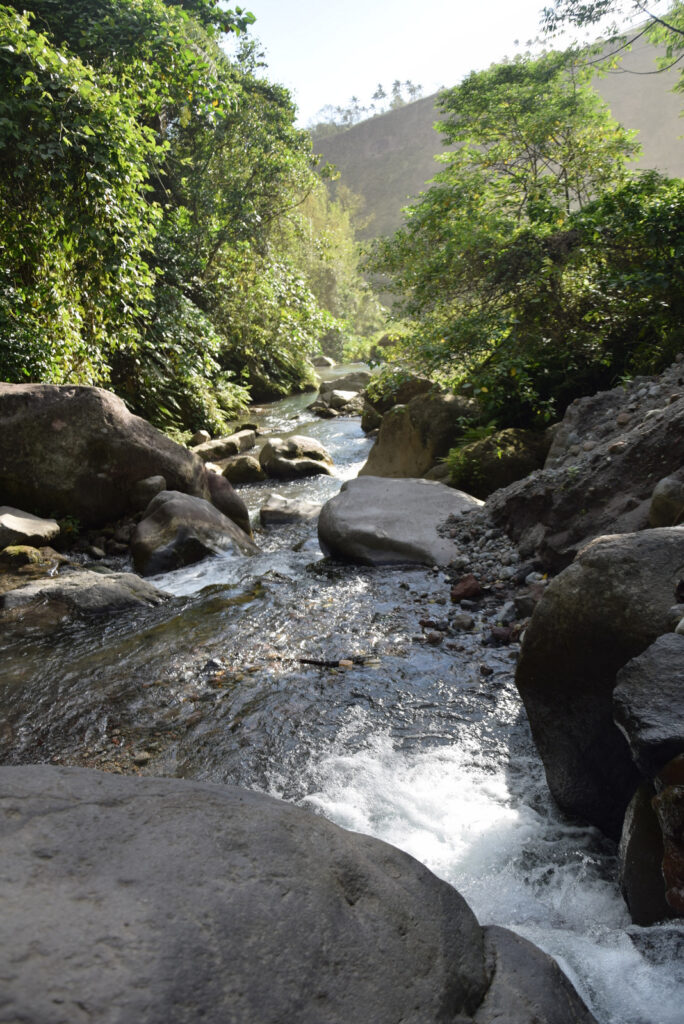
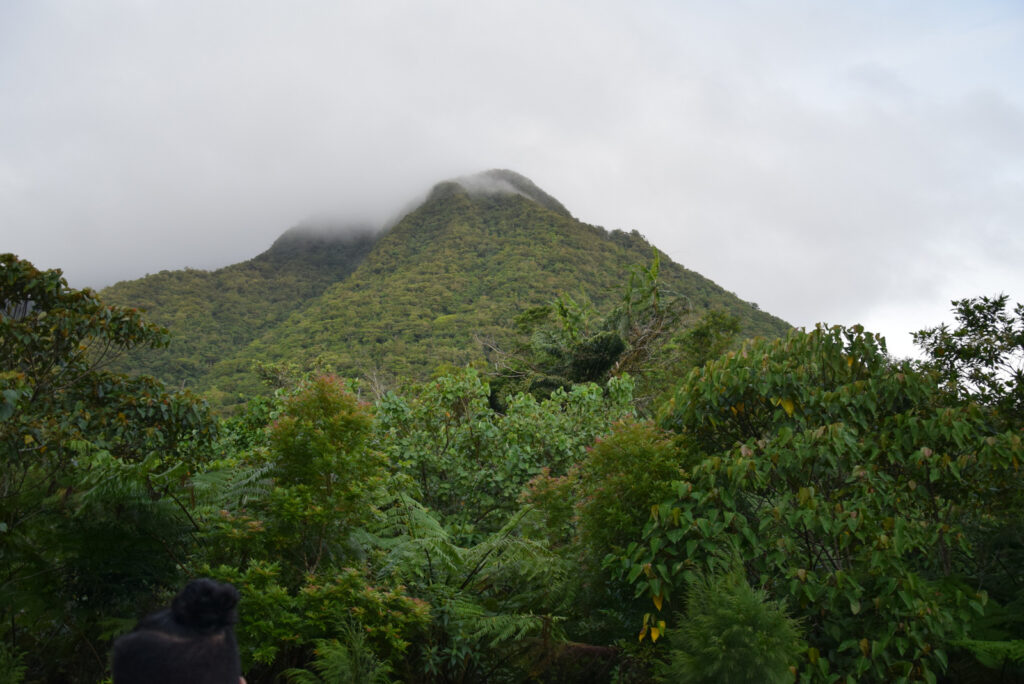
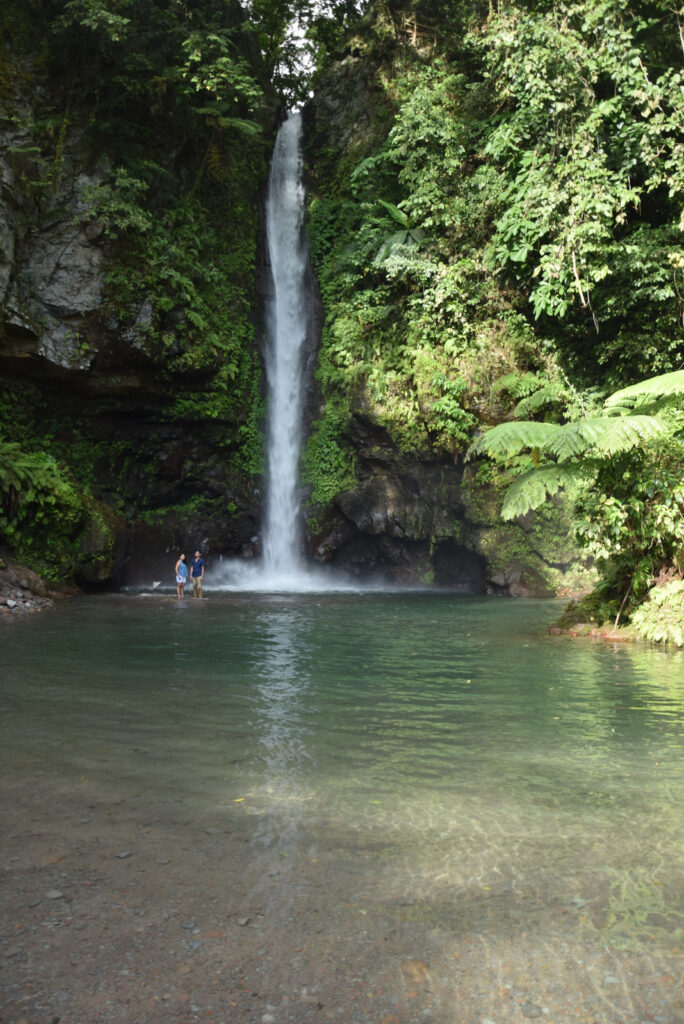
Yet, even with these additions, the island’s classic spots—the Sunken Cemetery, Katibawasan Falls, White Island, Ardent Hot Springs, Mantigue Island, the walkway to the old volcano, and Mount Hibok-Hibok—remain essential stops on any curious traveler’s itinerary.
Our stop in the downtown area to pick up supplies at the island’s only department store, Gaisano, reminded us of the island’s slow pace of life. Though there were more people and vehicles, the atmosphere remained unhurried. As soon as the sunlight faded, stores began closing, and before long, we were walking along empty streets. The main tourist area along Camiguin Circumferential Road is where you’ll find most of the restaurants, cafes, and resorts, and it’s no surprise that this is where most of the buzz is. Yet, compared to other provincial capitals, it still feels remarkably tamed.
Before going home, we made one last stop at Daos Plantbased Kitchen, a vegan restaurant near the back of the airport run by a friend who had chosen to settle on the island. Located just a short walk from the sea, it offered a relaxed setting for a memorable meal, beautifully plated and genuinely delicious. Even our meat-loving companions were delighted. I couldn’t have thought of a better way to end our trip.
You won’t find towering shopping malls or amusement parks here, and that’s exactly what draws me to Camiguin. The island offers something far rarer: unhurried moments and a peaceful vibe, with beaches just a few minutes away. It’s a stark contrast to urban life, where the streets are noisy, access to nature is limited, and a five-kilometer trip can take two hours.
From my first visit in 2008—a quick solo trip in my 20s—to two more trips since, Camiguin has remained largely unchanged. And that’s precisely what makes it so appealing. The island doesn’t try to impress with modern spectacles like towering buildings or infrastructure built for social media posts. Instead, its natural beauty and welcoming people let the scenery speak for itself.
—Images from Christine Fernandez and Gretchen Filart