

A deep dive into a hidden Hangar Market gem, its decades of service and the woman behind its lasting legacy
Mary Pul-oc opened her Hangar Market eatery to address a simple yet vital question: Sino ang nagpapakain ng mga taga-palengke? (Who feeds the people of the market?)
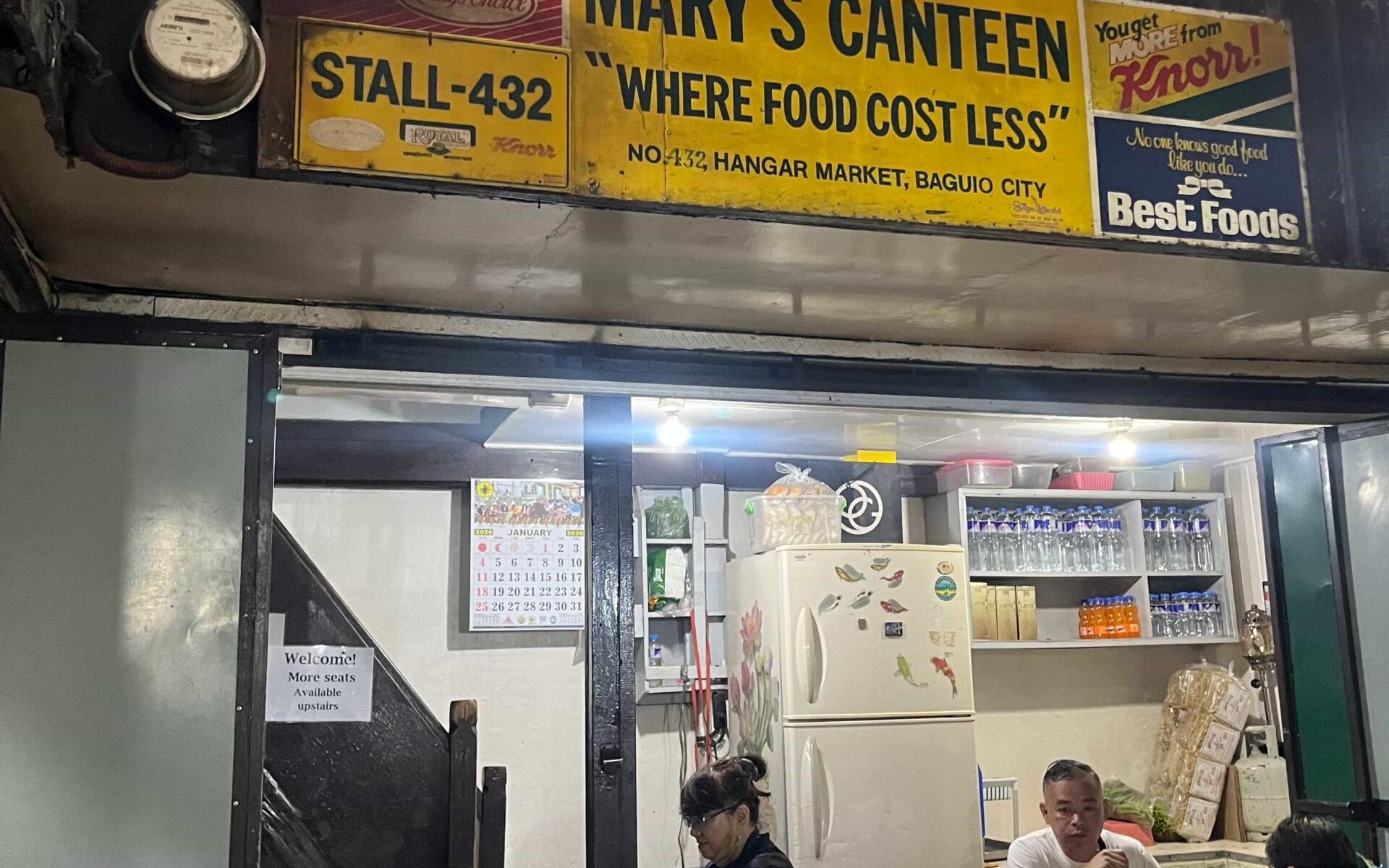
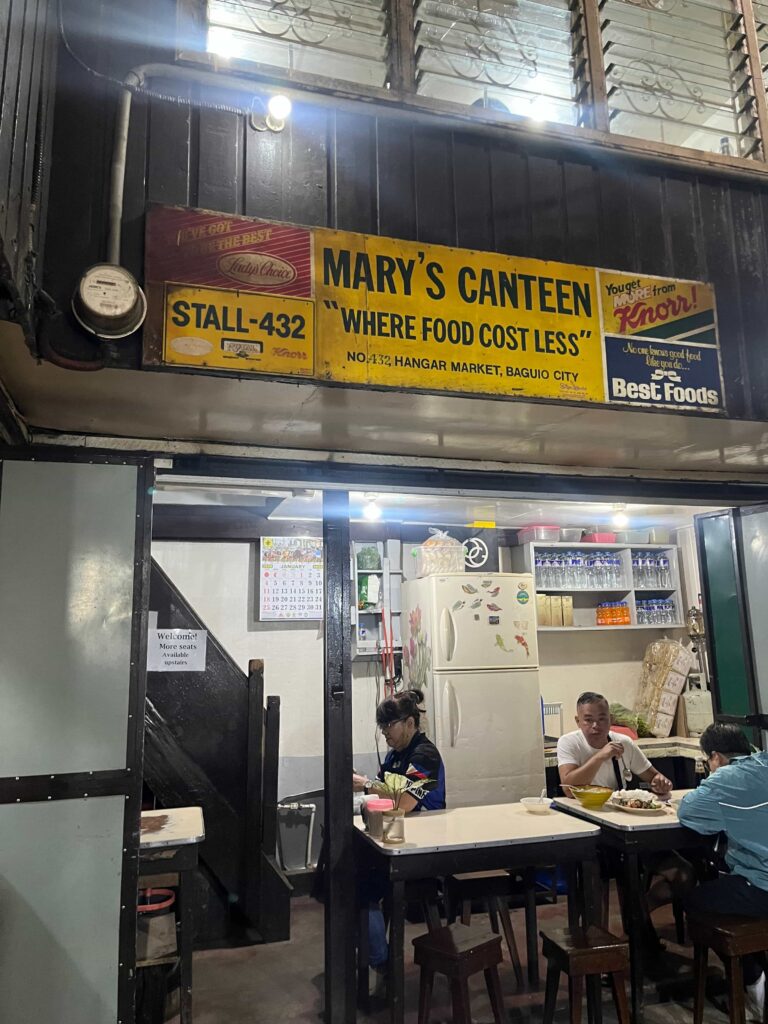
Currently, 4,000 vendors in the Baguio City Public Market feed a population of 400,000—plus over a million tourists per year. Mother Mary’s Canteen, also known as Mary’s Canteen, located at Stall 432 on the first floor of the Hangar Market, is the only eatery inside the city’s famous vegetable market.
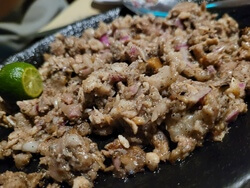
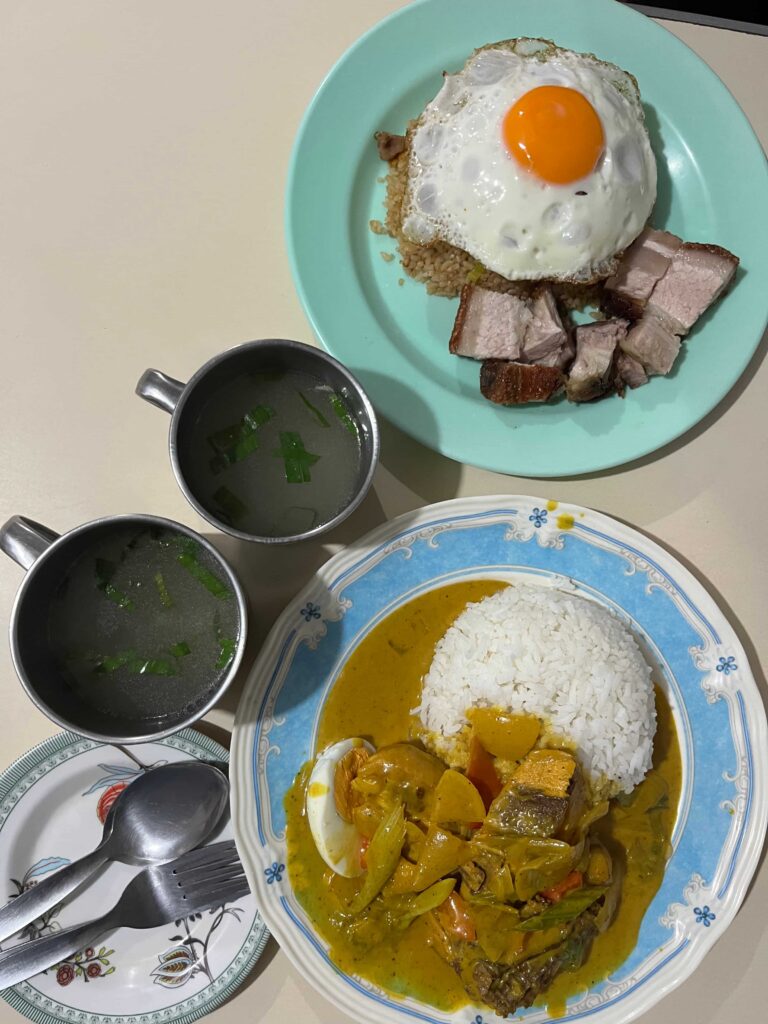
It serves Chinese cuisine seasoned to the Filipino taste. For one, they use lechon kawali in their lechon beans. Their chicken curry is mildly spiced, creamy, and just a little sweet. Manang Elvira, a canteen server, told me that Mother Mary’s father had Chinese roots.
Established in the 1970s, the canteen now serves vendors, marketgoers, and guests as diverse as the produce sold in Hangar. Through conversations with her restaurant staff and suki (patrons), I learned that Mary was more than a restaurant owner—and the secret behind Mary’s Canteen’s growing popularity.
Who was Mother Mary?
An Ibaloy from Atok, Benguet, Mary Montes Puloc, also fondly called “Mother Mary,” was first and foremost a vegetable vendor. Before managing her own restaurant, she owned a puwesto (spot) in the vegetable section of the Hangar Market, known as a “bagsakan area”—a primary point of distribution for highland and lowland vegetable traders.
According to research by Baguio instructor Benjamin Meamo III, the Hangar Market was the original vegetable trading station for Baguio City and neighboring La Trinidad.
When she was younger, Mary would climb delivery trucks loaded with beans so she could find and mark the best ones to bring to her stall—a story she shared with Mary Esguerra, a former OFW who moved back to Baguio in 2002. The older Mary used to sell beans right across from Esguerra, who now sells lettuce, tomatoes, ampalaya, and other leafy greens at Stall 176.
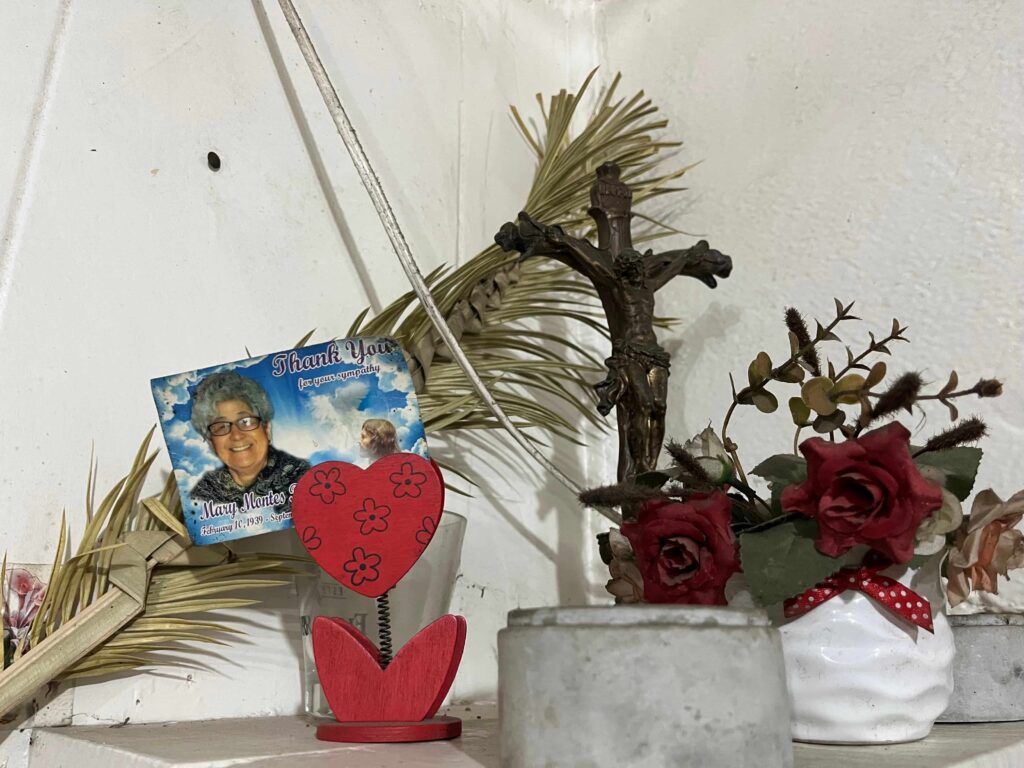
She describes the older Mary as a disciplinarian who was also a beloved leader of the Baguio City Public Market vendors. Mother Mary was also one of the lead protesters in the Uniwide market rehabilitation project in the 1990s and was recognized as an Outstanding Woman Leader of Baguio in 2009.
She served the Hangar Market Vendors Association (HAMAVEAS) as president until her death in 2015, at age 76.
What is Mary’s Canteen’s “Secret”?
I suppose it is safe to say that Mother Mary’s strictness is also reflected in the quality of the canteen’s food. For over 20 years, Esguerra has remained a loyal suki of Mary’s Canteen, often ordering the eatery’s specialty: Mary’s Rice, a mixture of fried chicken, lechon kawali, chopsuey, and plain rice, topped with fried egg.
With its generous portion size at 190 PHP, it truly is a “worker’s meal,” as Baguio-based food vlogger ShaJrine aptly described it.
Just like her mother, Josephine Mayaco—Mother Mary’s eldest daughter—ensures that the canteen serves everything fresh and affordable by sourcing ingredients from the public market daily, including vegetables and meat. By working with suki suppliers who offer produce at a low cost, they are able to deliver on Mary’s Canteen’s promise: “Where food cost[s] less.”
Employees also speak fondly of Josephine—or “Ma’am Jojo”—who took the helm several years ago. Manang Teresita, a canteen employee since 2000, said she has chosen to stay because of her kind boss.
With Hangar Market vendors still its biggest patrons, Mary’s Canteen opens between 5:00 and 6:00 AM and closes at 4:00 PM.
How Mother Mary Lives On
The story of Mary’s Canteen is the story of Hangar’s Vegetable Market on a plate. The beans of the Cordillera highlands meet the bawang of the Ilocos region. The crisp and bitter ampalaya complements the tenderness of the stir-fried pork.
Heaps of filling and nutritious meals line the bellies of the Hangar Market folk, who then supply marketgoers with ingredients for their own healthy meals.
Mother Mary’s leadership and advocacy also persist. In the vendor-led movement against a mall giant’s bid to redevelop the market, Mother Mary’s suki, friend, and namesake was one of the staunchest protesters.
I also first met Manang Elvira and Ma’am Josephine in protest and petition-signing activities organized by the Save Baguio Market Movement. Mary’s Canteen donated meals to volunteers.
Esguerra told me this is to be expected. “Mother Mary’s children grew up in the market. It’s no wonder they take after her.”