
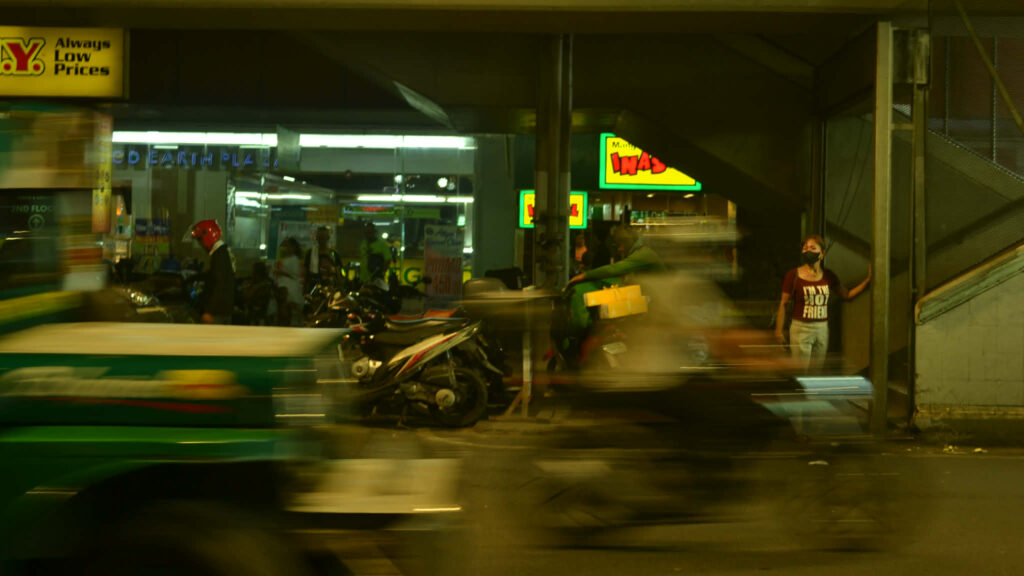
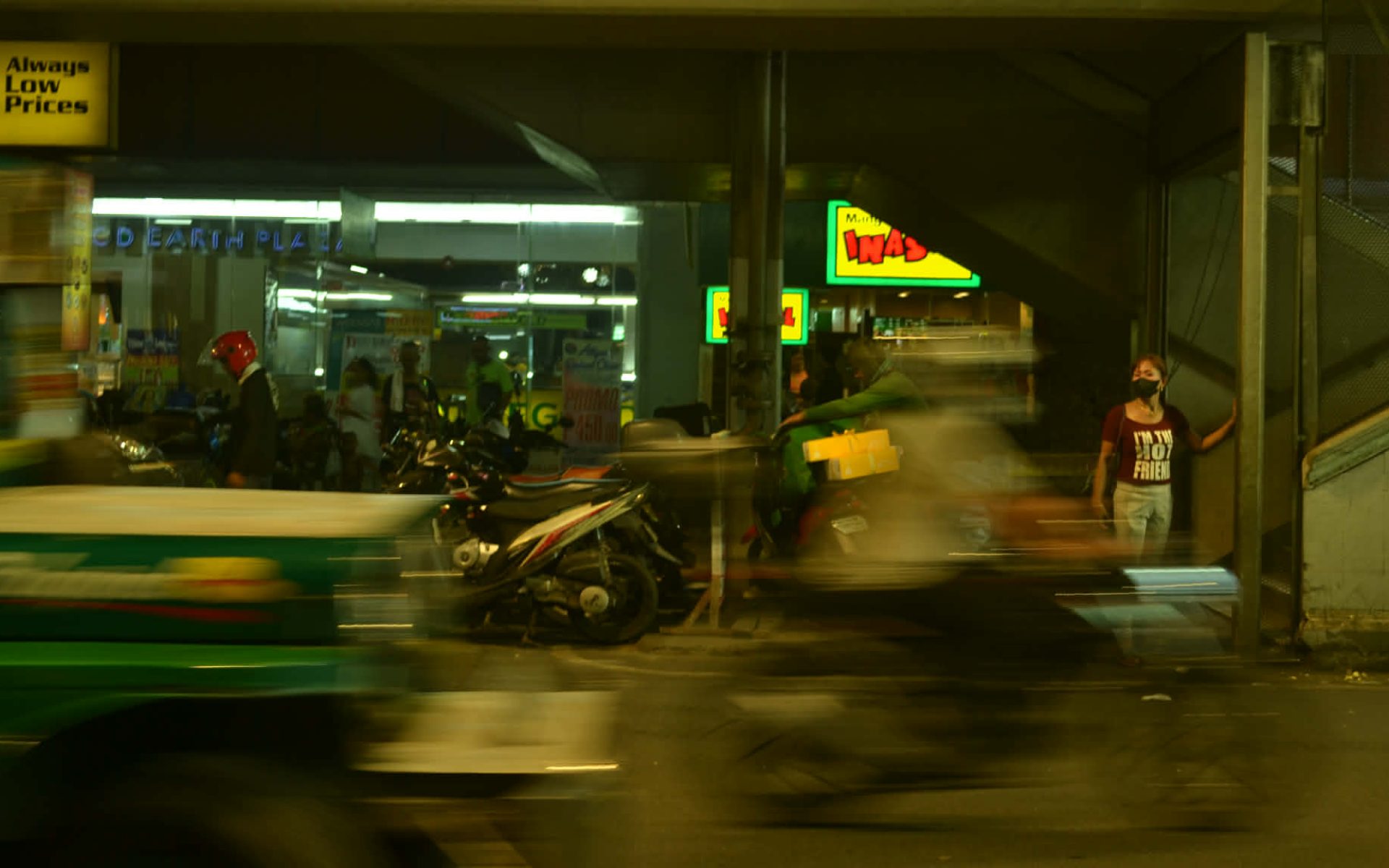

For B, who made me walk unafraid on an overpass in Cubao while we got lost in trying to find the best commute and budget-friendly way to go back to our student dormitory.
We are, after all, inextricably linked by a timeless story and “sapay koma.” Each of us in this story nurtures a secret wish to have done things differently – to have been kinder, more understanding of each other’s quirks and shortcomings. But it takes less energy to wish it forward. Sapay koma naimbag ti biag yo dita — to hope that your life there is good.
Dr. Jhoanna Lynn Cruz, Sapay Koma
I never expected I’d be having a love-hate affair with a place, given that I am still, even after five years of living in Quezon City, a stranger to this space. Just after the global pandemic in 2022 died down, I moved to Quezon City to attend university. Before moving into my student dormitory within the University of the Philippines (UP) Diliman campus, it was just my second time around in Manila, and this city is still very much the city I remembered waking up in the bus, surrounded by soaring buildings, people rushing, and noise scattered like the thick city smoke. As a provincial teenager, this was the image of freedom I had imagined.
During my first weeks in the city, I constantly checked Google Maps, afraid that one wrong jeepney would take me somewhere unfamiliar and I would not know how to return. The streets all looked the same to me—overpasses, terminals, flyovers, sidewalks filled with people who walked like they had somewhere urgent to be. Even crossing the road felt like a small battle. I learned early that Manila does not wait for you to decide.
In my first year (technically sophomore, though I refuse to count the pandemic year) of college, I met a boy after the First Day Fight (FDF) rally that traditionally culminates the progressive spirit and academic freedom of UP, also known as the country’s premier state university. B is years older than me and has already been in the university for some time. Aside from the fact that we share the same political beliefs and young optimism to change the world, he is also from the same region as me. It was no surprise that we immediately clicked. B has this timid vibe, often questionable sense of humor, and frequently introverted persona.
As time passed by, B and I shared more time together joining rallies and organizing fellow students. Most of the time, we were assigned as each other’s buddy. Every night, he insists on walking me home to my dormitory which is oppositely located on the end of the campus compared to his. One night, after the prod work of the upcoming Peasants’ Month, he insisted on walking me to my dorm again. This time, I intentionally walked slower. As the streetlight on the waiting shed hit his features, the light caressed his carefully groomed black hair, his thin physique, and his little ears. There I knew I liked B more than friends. After a few minutes, he would send a song with a title like “Just got home” or variations of it. In this small code-like conversation, I came to know the song “Nakauwi na ako” by Bandang Shirley, which he sent to me after our second night walk.
There was something about the way he walked beside me—not ahead, not behind, just beside—that made the campus feel smaller and safer. The dark roads did not feel as threatening. Even the long distance between our dorms felt shorter when we were talking about readings, org work, or random jokes that only we found funny.
B had this fascination with showcasing his expertise on the city, on which bus to take, on where we should get off, and to which route is faster and more efficient. He takes these things seriously as he has a bulleted list on his phone, every time, he looks like a classic New Yorker tourist navigating the city with a map – in this case, his phone. He spoke about routes like they were pieces of jigsaw puzzles he mastered. Sometimes he would quiz me: which jeep goes to Philcoa, which bus passes through Katipunan, where to transfer if we’re short on fare. I would always get it wrong, and he would laugh softly and explain again.
After a rally in Mendiola, which, if I remember correctly, turned into a violent dispersal when the police used water cannons on the students, B and I decided to commute our way home. Amid the sweat mixed with partially wet clothes and exhaustion, in those younger and less complicated years, our burning desire to serve and dedicate our lives in the movement grew stronger and ablaze.
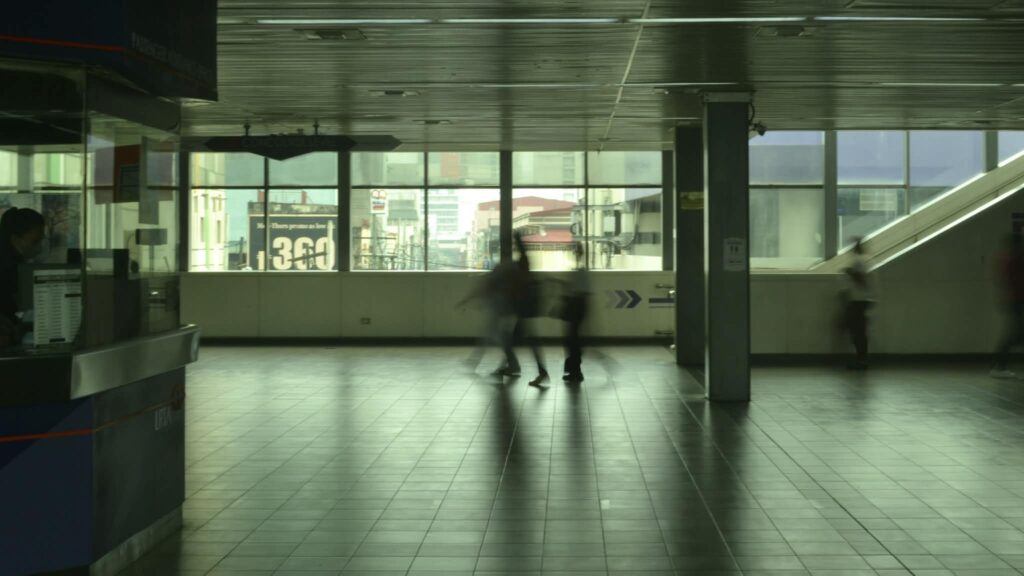
He suggested that we take the overpass along Cubao; it’ll be easier to catch the bus with the bus stop just on the other end. I hesitated and eventually confessed my extreme fear of heights. I once walked an overpass in Philcoa and my knees faltered because of the creaking of the rusting metal floor and the air that seemed to push you because of the countless speeding vehicles underneath. In these instances, my mind calculates the 10 possible ways I might end up in a news headline due to a freak accident. I shook my head and suggested that we could just stay there and wait for a taxi, before realizing that we do not have enough money for a taxi. I looked at him. With his unassuming eyes, he smiled and stretched up his hand to me.
From then, fear of the overpass turned into eager anticipation. Every time we walk on, he automatically holds my hand or takes my right hand and rests it on his right shoulder. Eventually, I even had the courage to look at the speeding cars, it was as if his presence, silent and still, has always assured me that I am safe.
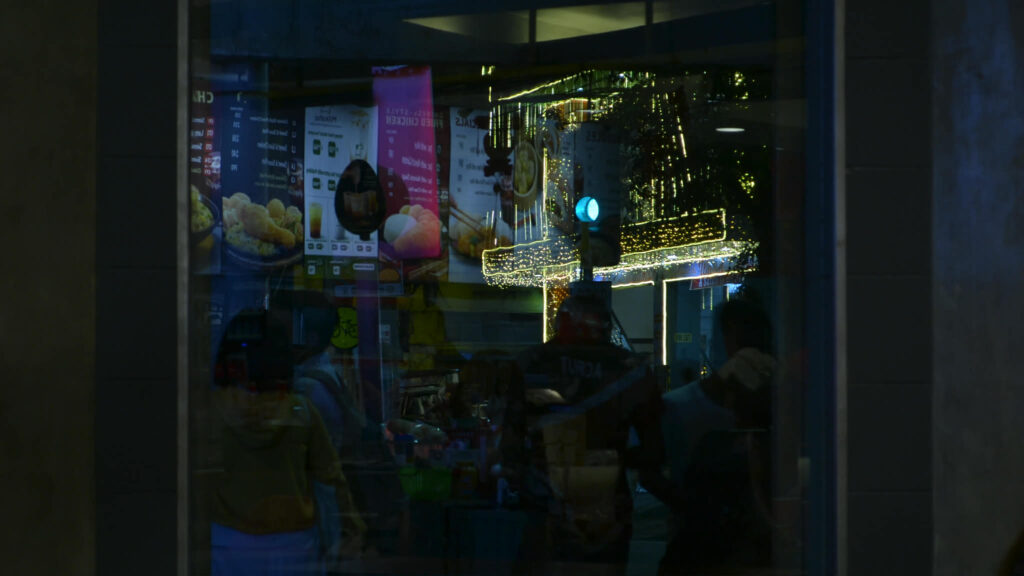
Cubao, with all its hustle and bustle, has both the exuberance of youth with all its ukay-ukay stalls and vibrant drinking spots and this lingering sense of damnation. Vendors shouting, buses belching smoke, people sleeping on cardboard near the terminals, music leaking from open stores. For me, it is the place I call where the fallen angels gather to discuss their frustrations and stare at each other’s burning wings.
After a semester, B decided to become a full-time activist and organizer. He decided not to go home during long breaks. He was at his peak of militancy, and I was so happy and proud of him. The thing about activist commitment is that it takes a lot of courage and self-reflection to forego your class aspirations and choose to commit yourself and time to serving the basic Filipino masses, without any promise of career and future financial success. This vocation, as I like to call it, is often treated by the state as something vile and evil and met with threat, red-tagging, and even murder.
The days we used to spend together became fewer. Messages became shorter. Sometimes he would disappear for weeks because of organizing work in faraway provinces. I learned not to ask too many questions.
B and I did not have a proper goodbye to each other, due to my family responsibilities and internal contradictions during those times. I chose not to become a full-time activist – something that I still beat myself up over sometimes. After years of therapy and conversations with friends and activist peers, they said that there is always a way and a space for me to contribute to the cause.
Still, there are nights when I wonder what would have happened if I followed him without hesitation.
A friend once said that one must love and care enough for something that they choose to write about. Even with still much grief, I am writing our story. B was my greatest consuming love. We did not have a good ending, but we do have a story worth recounting.
Every now and then, when I go to Cubao and wait in the long lines of commuters in Kamias bus station, as I brace hours of waiting to get home to the province, I do what he said. I look at the sky; at the stars if the sky is clear, and if fortunate enough, the moon. The buses come and go, people rush past me with bags and boxes, vendors bark out destinations, and the city continues without pause.
Somewhere in that noise, I remember him saying that even if distance comes between us and fate decides for us – at least we are staring at the same sky, even thousands of kilometers apart.
Sometimes I imagine him crossing another overpass somewhere, guiding someone else through another unfamiliar street or terrain.
Sometimes I imagine that I am still there beside him, hand in hand, walking above the traffic, unafraid.